Microbial Synthetic Communities
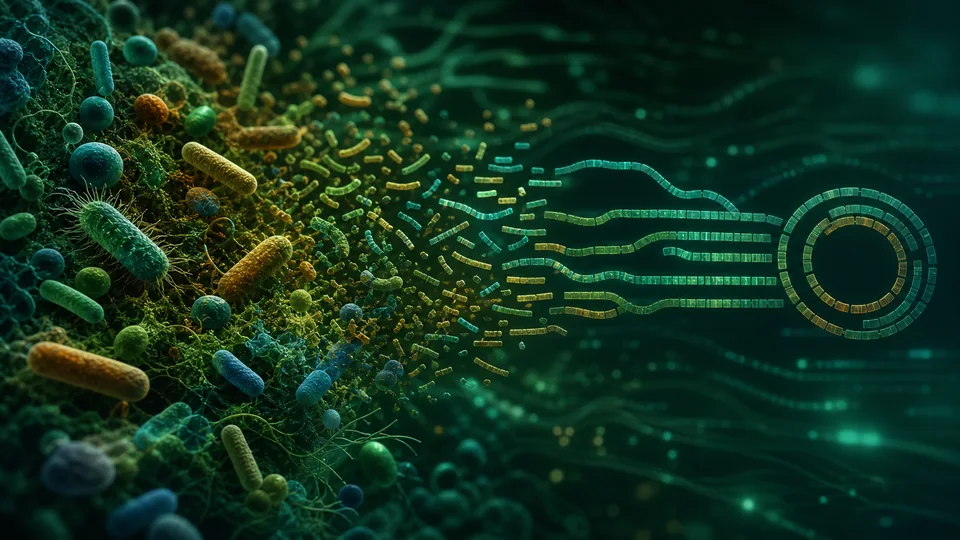
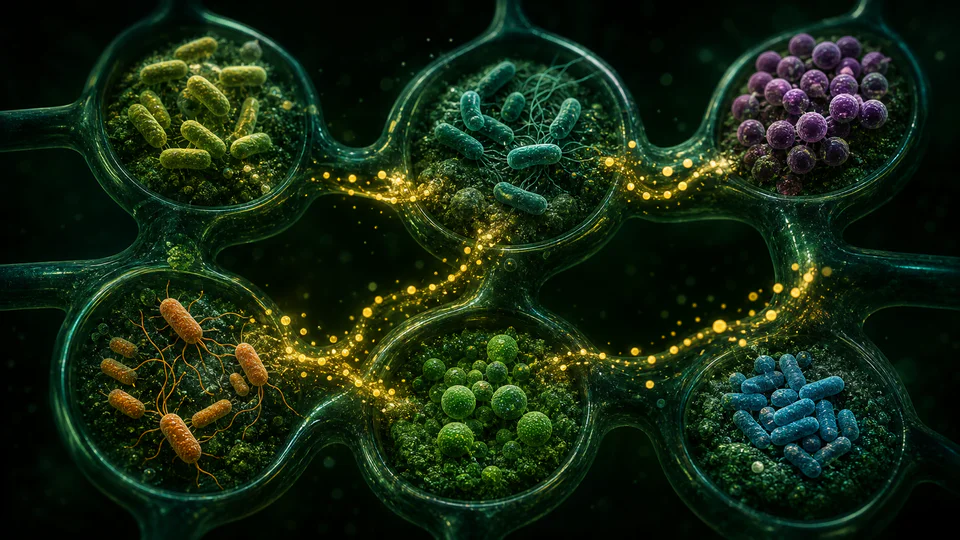
Designed groups of microbial species used to study and engineer ecological interactions with controlled membership and function.
SCIENDIA Knowledge Desk
Read article
A living academic reference written, refined and transparently versioned by the Sciendia community.
Collaborative knowledgeSearch
8 results
Wiki pages are public to read. Every signed-in member can create and improve them.
Clear searchDesigned groups of microbial species used to study and engineer ecological interactions with controlled membership and function.
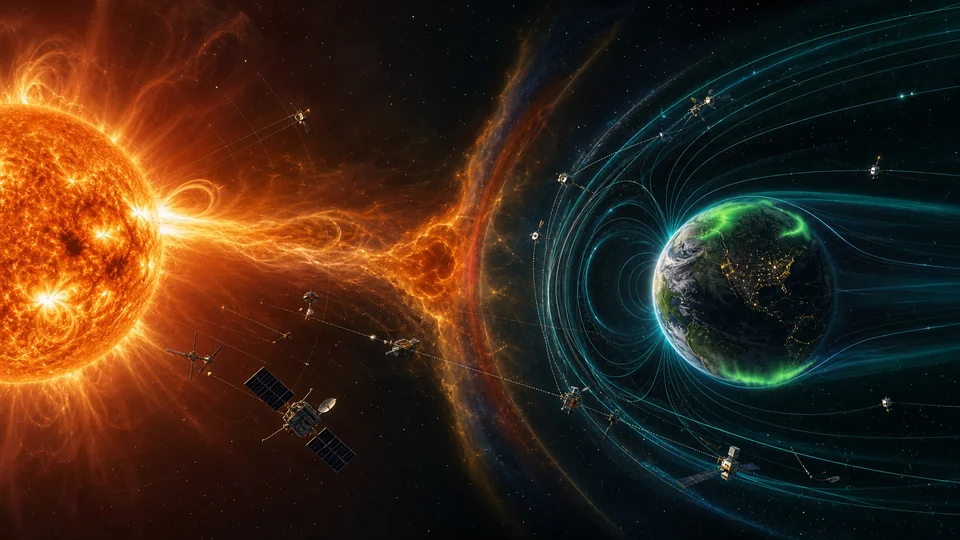
The observation and prediction of solar and geospace disturbances that can affect satellites, navigation, radio and power systems.
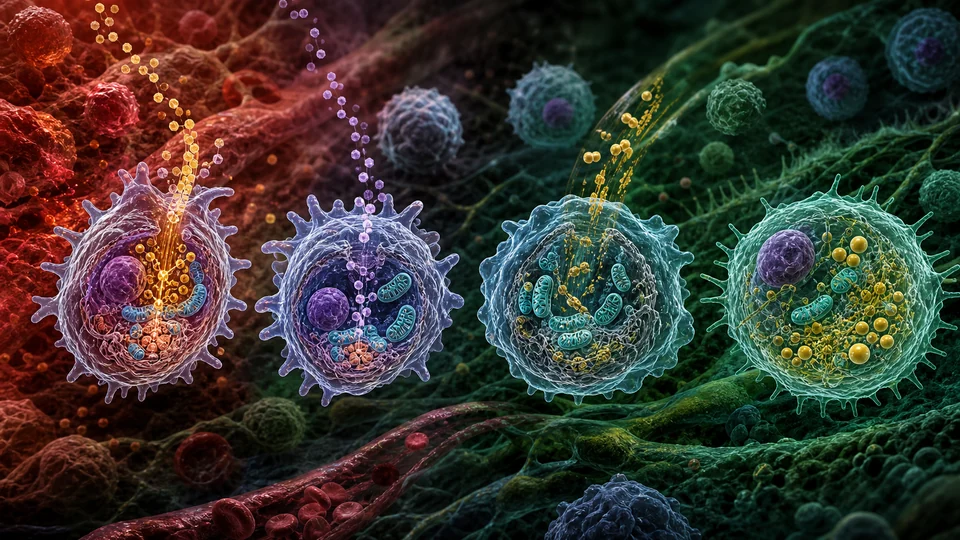
The reciprocal control between cellular metabolic pathways and the activation, differentiation and function of immune cells.
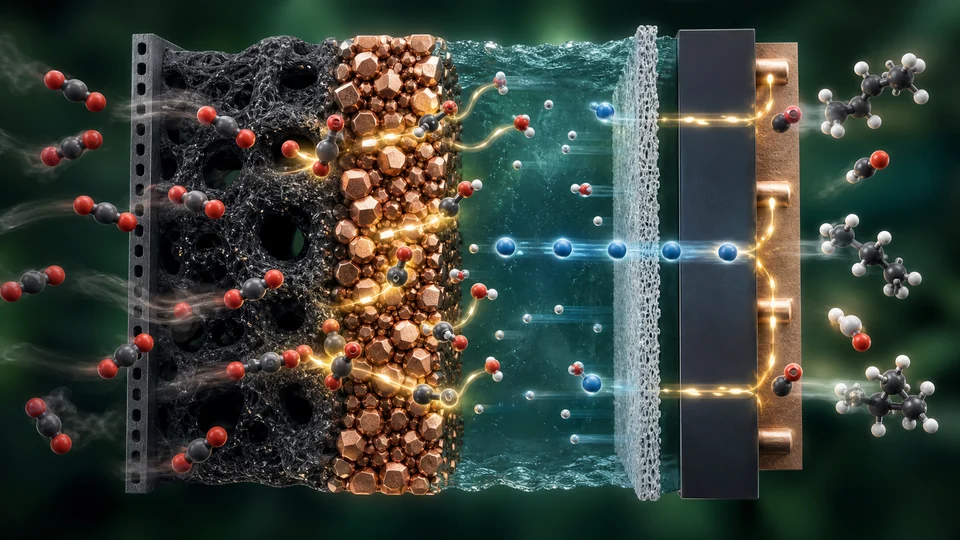
The use of electricity, catalysts and electrochemical interfaces to convert carbon dioxide into chemical products.
The production and transformation of atomic nuclei through fusion, capture and decay processes inside stars and stellar explosions.
The culture-independent analysis of collective microbial genomes recovered from an environmental or host-associated sample.
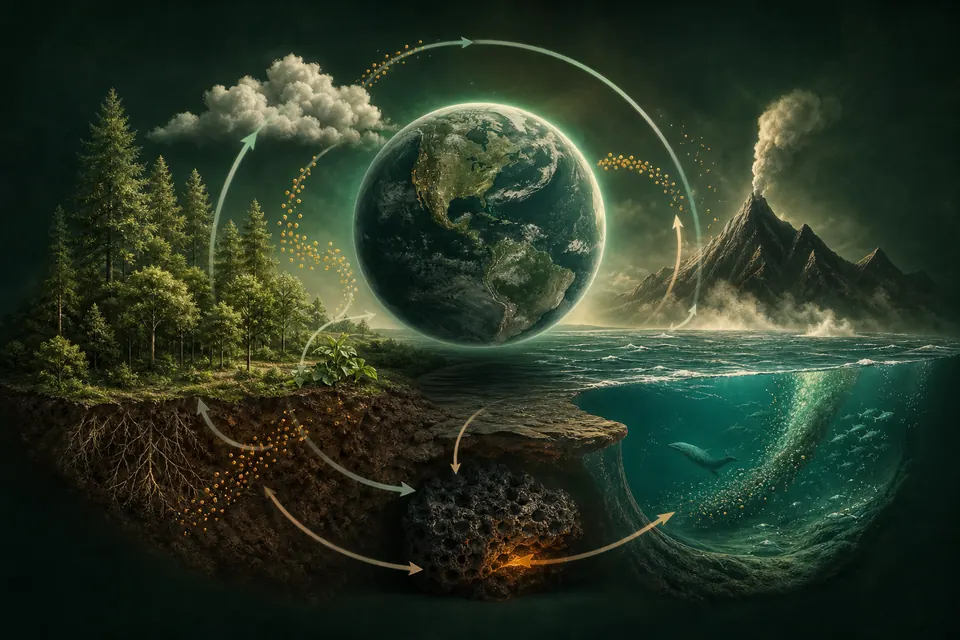
The movement of carbon among the atmosphere, oceans, living organisms, soils, rocks and Earth's interior.
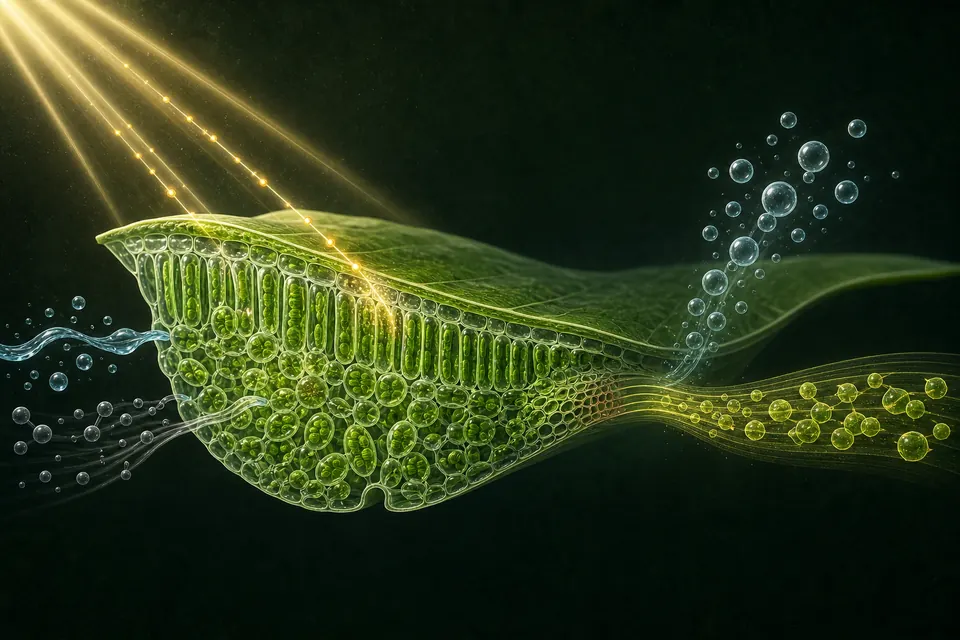
The biological conversion of light energy into chemical energy, coupled to carbon fixation in plants, algae and some bacteria.