Microbial Synthetic Communities
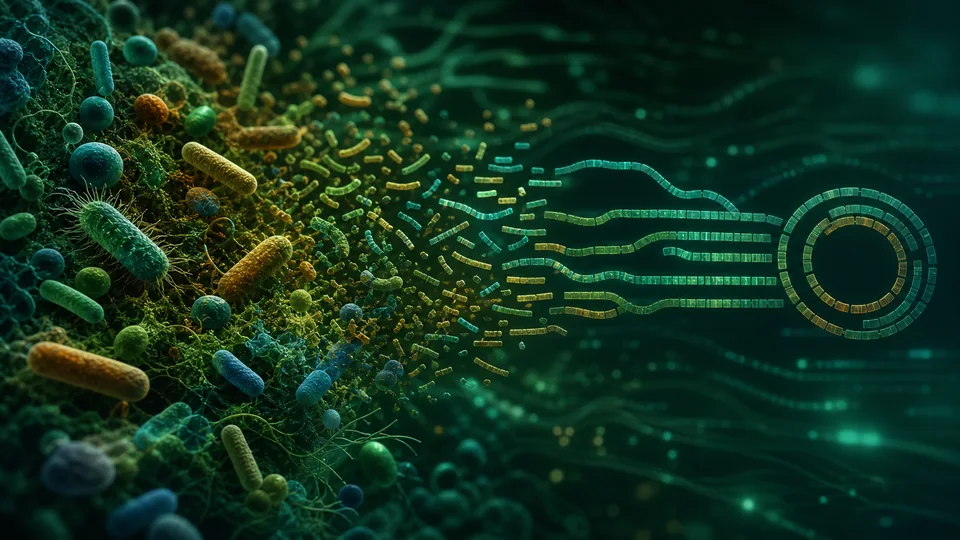
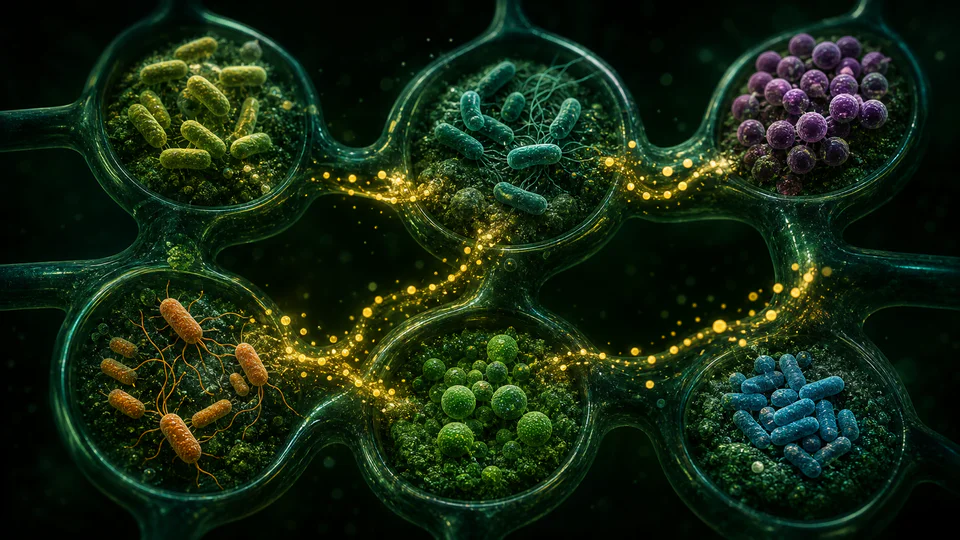
Designed groups of microbial species used to study and engineer ecological interactions with controlled membership and function.
SCIENDIA Knowledge Desk
Read article
A living academic reference written, refined and transparently versioned by the Sciendia community.
Collaborative knowledgeSearch
8 results
Wiki pages are public to read. Every signed-in member can create and improve them.
Clear searchDesigned groups of microbial species used to study and engineer ecological interactions with controlled membership and function.
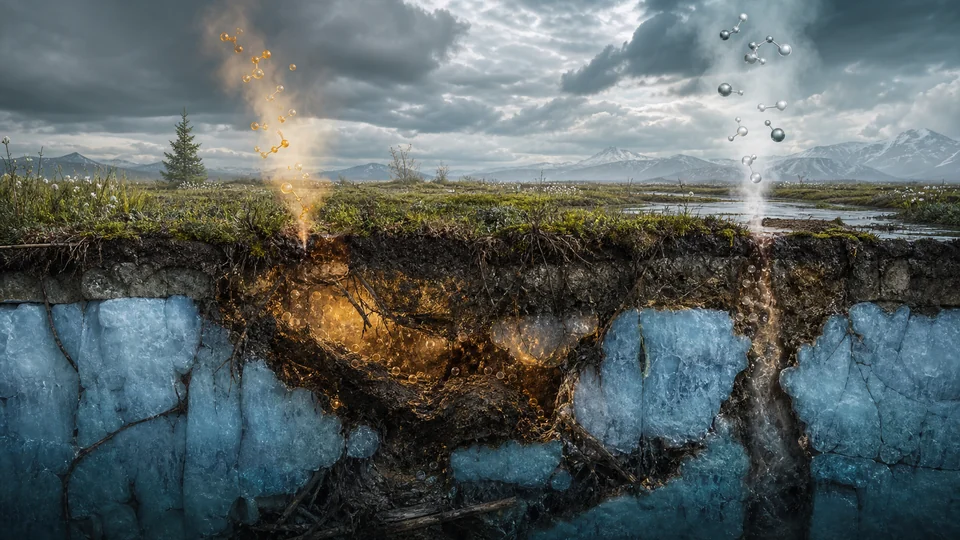
The climate interaction in which thaw exposes frozen organic matter to decomposition and releases additional greenhouse gases.
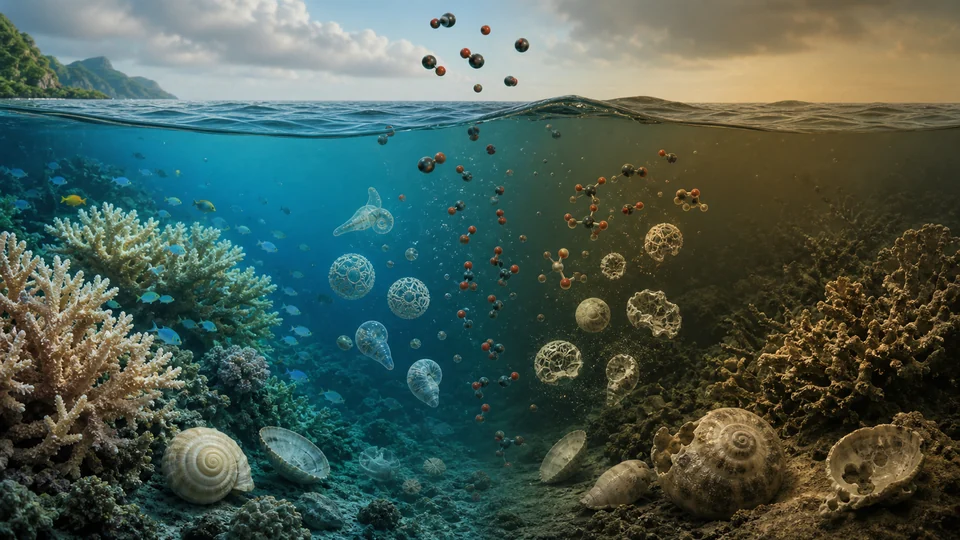
The long-term shift in seawater carbonate chemistry caused primarily by ocean uptake of anthropogenic carbon dioxide.
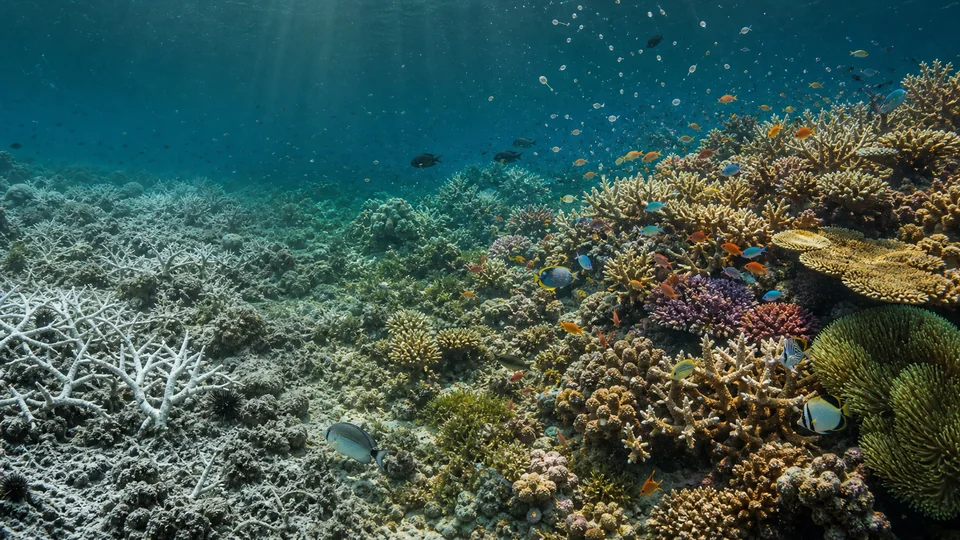
The capacity of reef ecosystems to resist disturbance, recover structure and retain ecological function under environmental change.
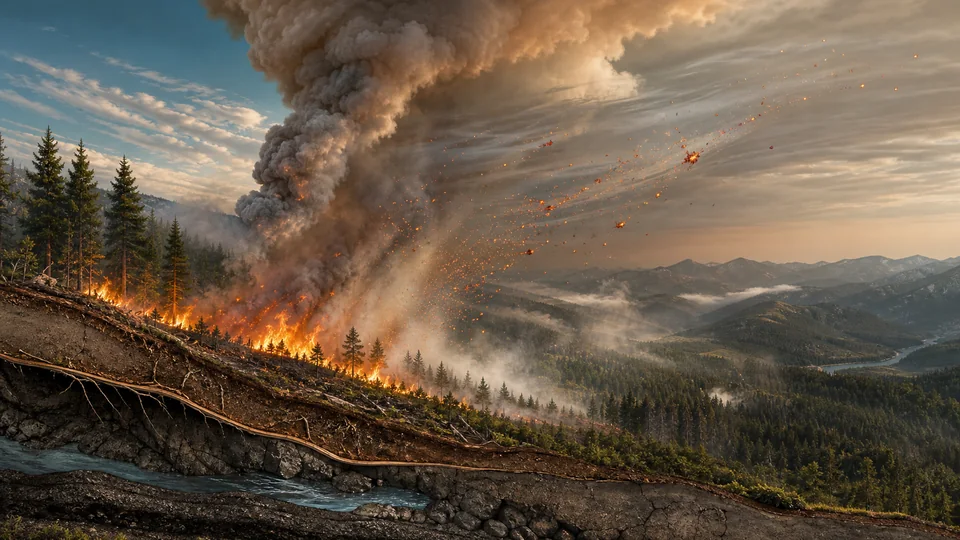
The coupled combustion, atmosphere, fuel and terrain processes that govern how landscape fires ignite and spread.
The culture-independent analysis of collective microbial genomes recovered from an environmental or host-associated sample.
Variation within species, among species and across ecosystems, together with the interactions that sustain ecological function.
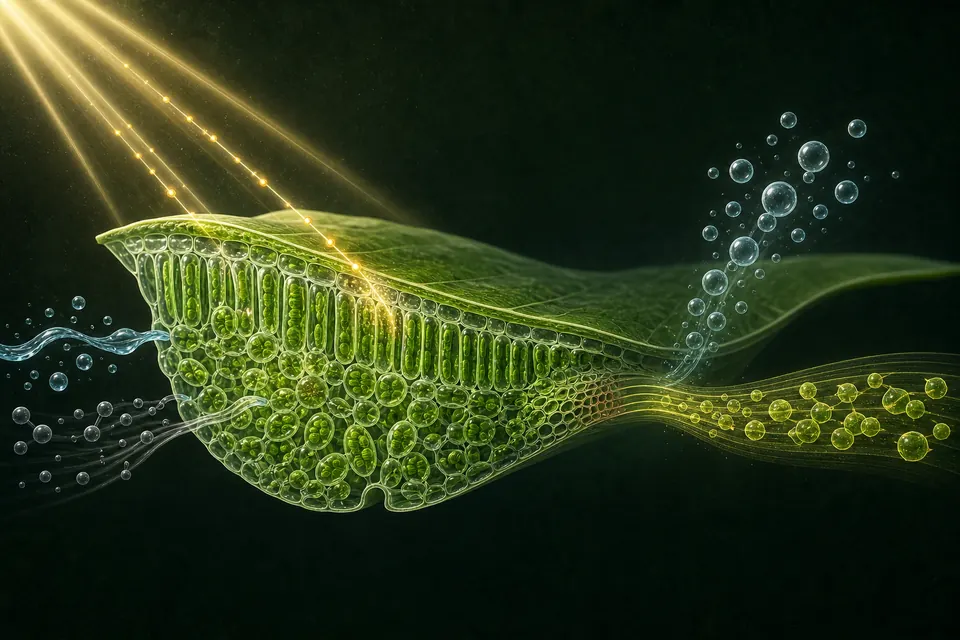
The biological conversion of light energy into chemical energy, coupled to carbon fixation in plants, algae and some bacteria.