CAR T-Cell Therapy
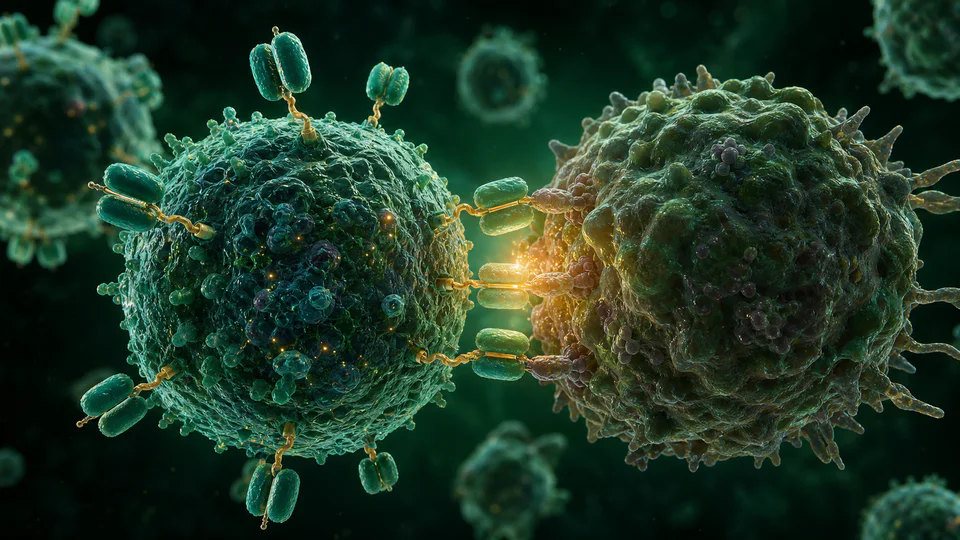
Cell therapy in which a patient's or donor's T cells are engineered with a synthetic receptor that recognises a selected disease antigen.
SCIENDIA Knowledge Desk
Read article
A living academic reference written, refined and transparently versioned by the Sciendia community.
Collaborative knowledgeSearch
10 results
Wiki pages are public to read. Every signed-in member can create and improve them.
Clear searchCell therapy in which a patient's or donor's T cells are engineered with a synthetic receptor that recognises a selected disease antigen.
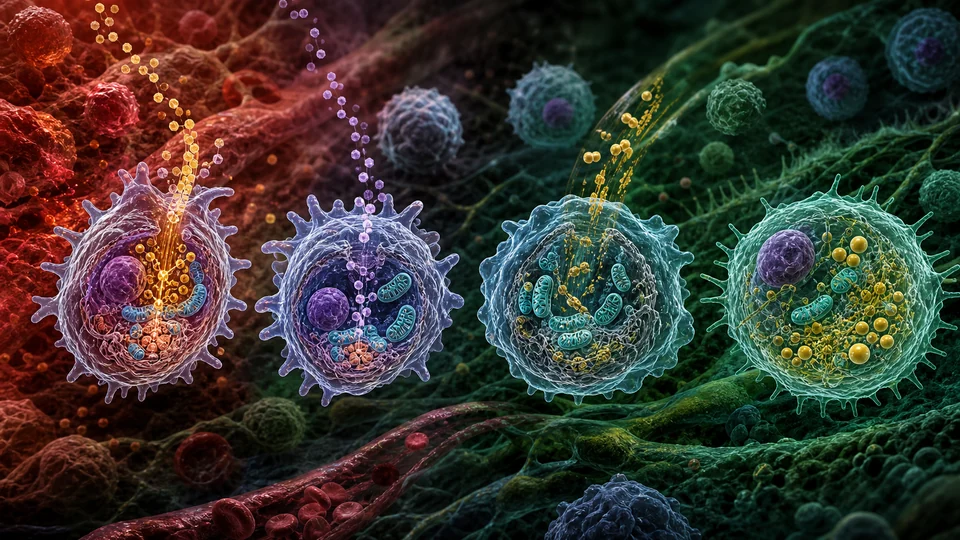
The reciprocal control between cellular metabolic pathways and the activation, differentiation and function of immune cells.
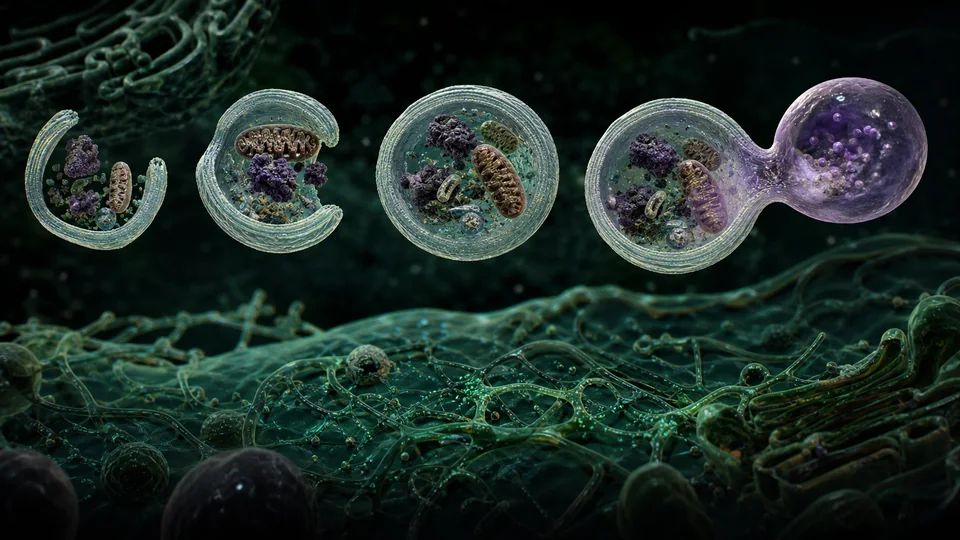
Cellular pathways that deliver cytoplasmic material to lysosomes or vacuoles for degradation, quality control and recycling.
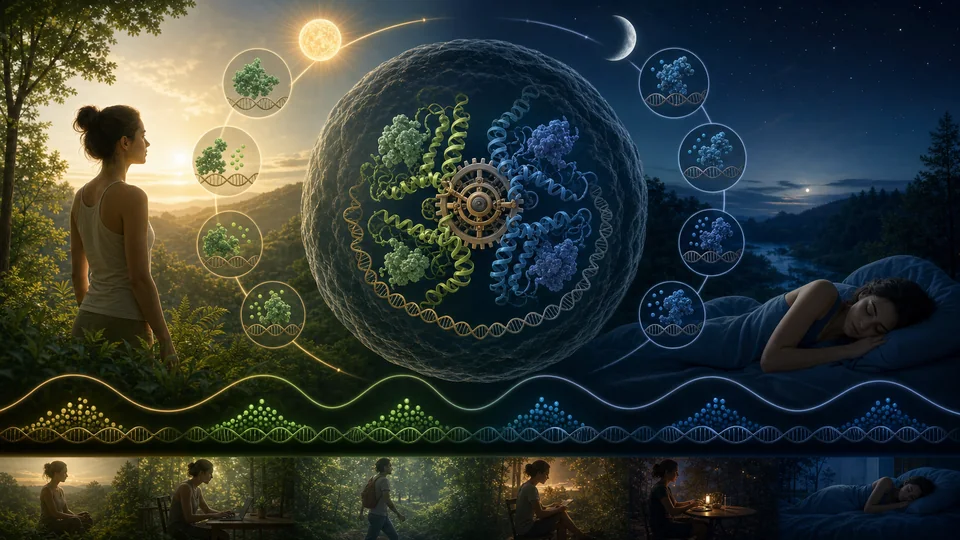
Endogenous biological cycles near twenty-four hours that coordinate physiology and behaviour with environmental time.
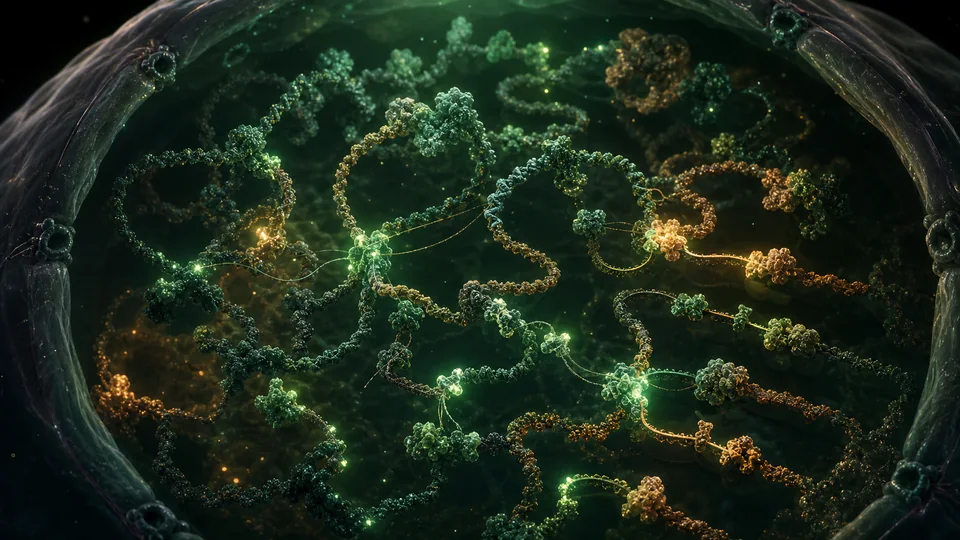
Interacting genes, regulatory DNA and molecular factors that control when and where biological programmes are expressed.
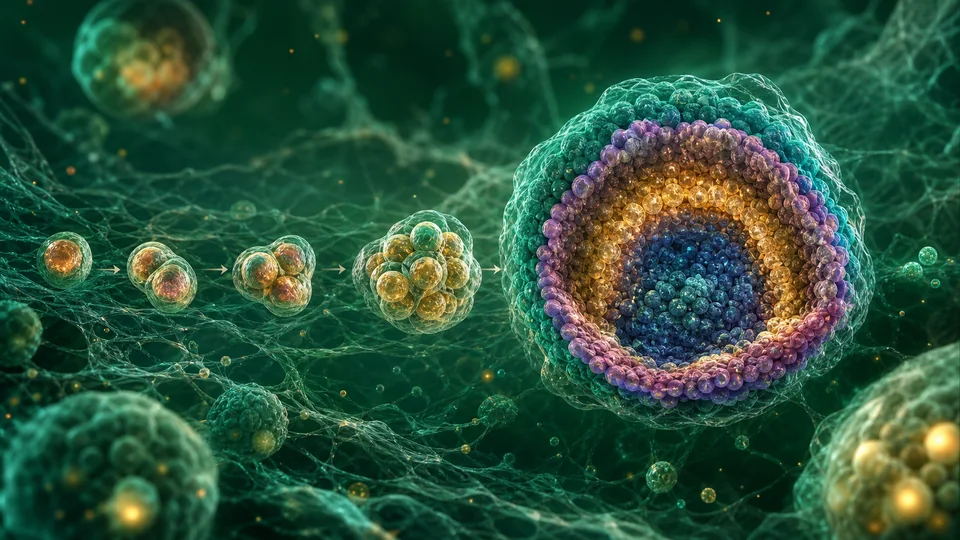
Three-dimensional, self-organising cell cultures that reproduce selected structural and functional features of organs.
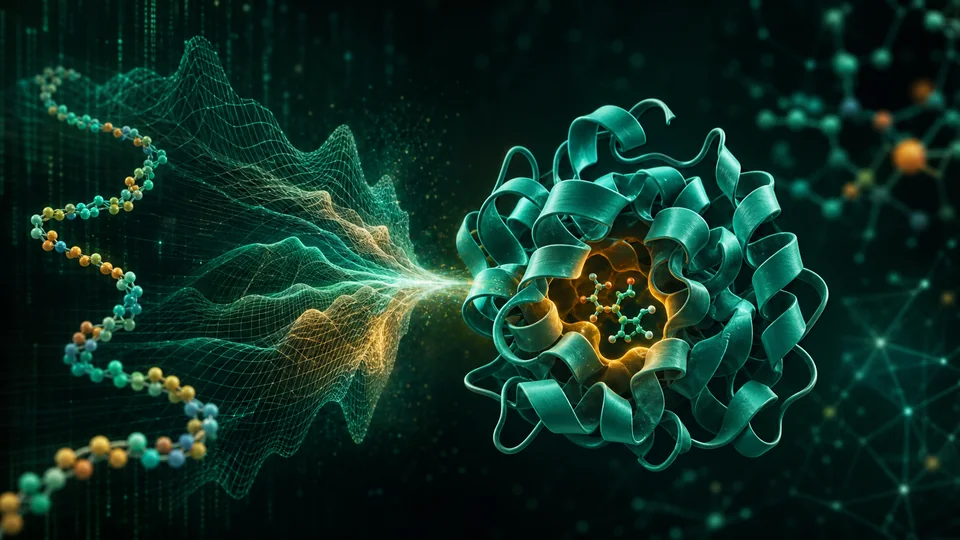
The algorithmic creation of amino-acid sequences expected to fold into structures with specified biochemical functions.
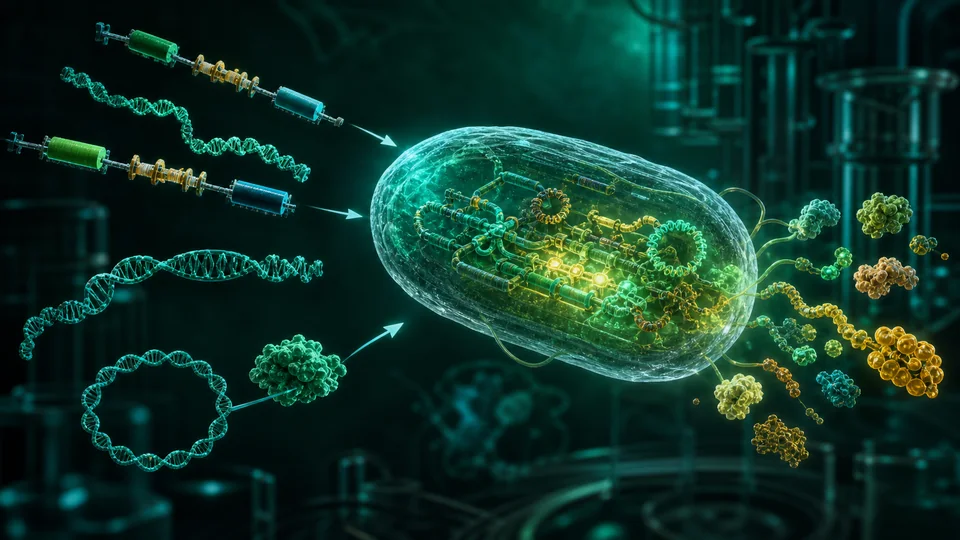
The design and construction of biological systems using engineering principles, quantitative models and molecular tools.
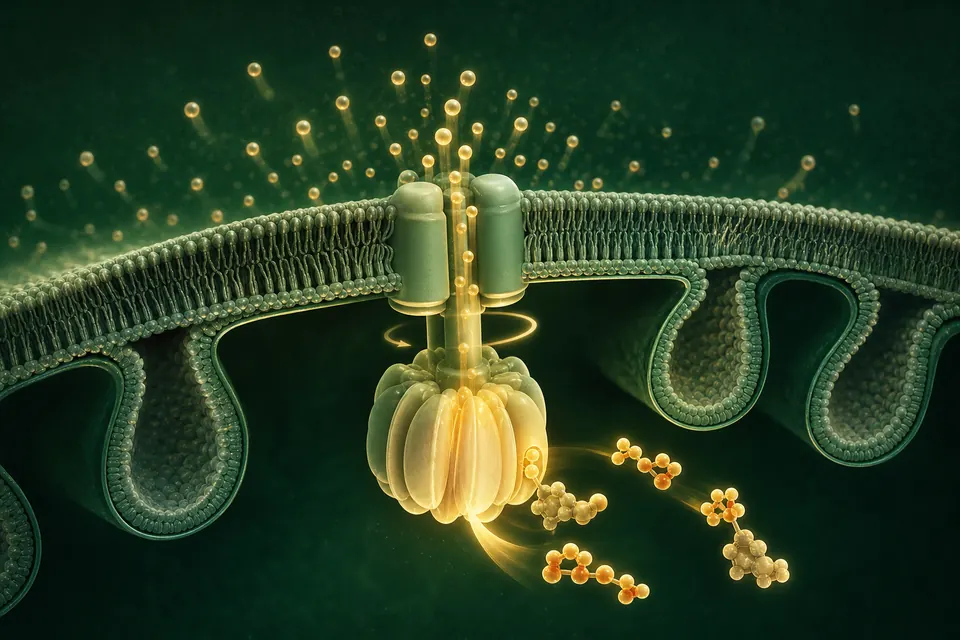
How electron transport and a proton gradient power ATP production across the inner mitochondrial membrane.
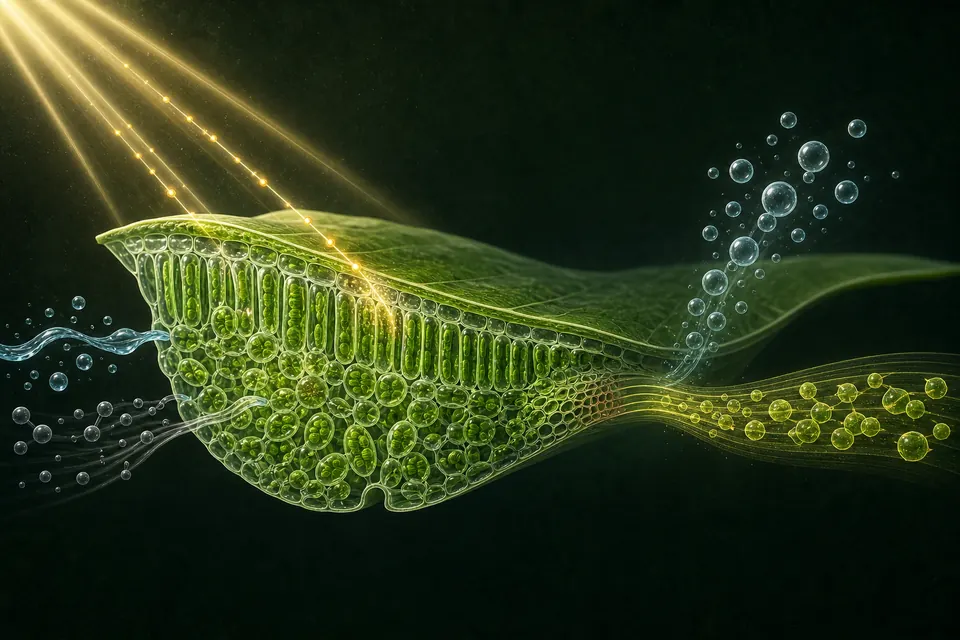
The biological conversion of light energy into chemical energy, coupled to carbon fixation in plants, algae and some bacteria.