Liquid Biopsy
Analysis of tumour-derived DNA, cells, vesicles or other biomarkers in blood and body fluids to characterise cancer non-invasively.
SCIENDIA Knowledge Desk
Read article
A living academic reference written, refined and transparently versioned by the Sciendia community.
Collaborative knowledgeSearch
10 results
Wiki pages are public to read. Every signed-in member can create and improve them.
Clear searchAnalysis of tumour-derived DNA, cells, vesicles or other biomarkers in blood and body fluids to characterise cancer non-invasively.
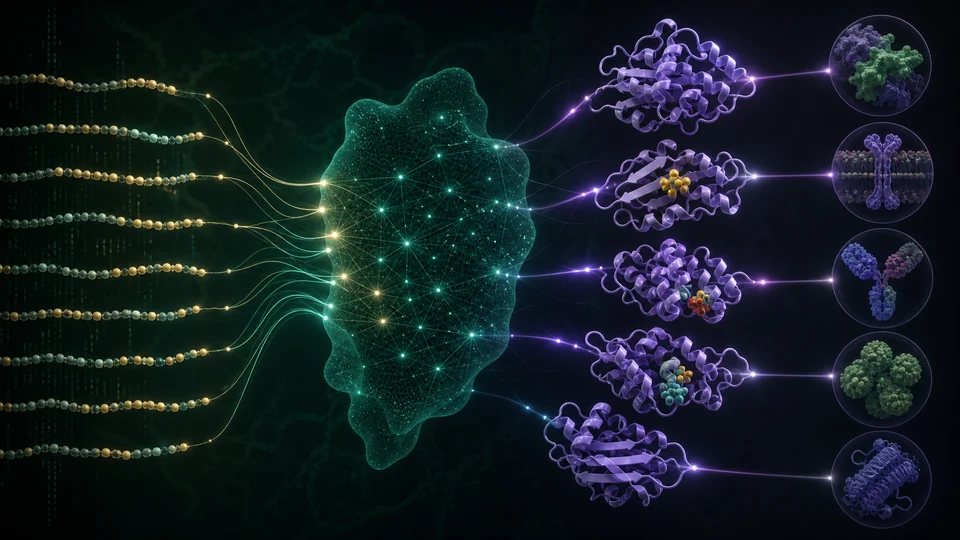
Machine-learning models that learn statistical representations of amino-acid sequences for prediction and molecular design.
Methods that measure gene expression while preserving the locations and neighbourhoods of cells within tissue.
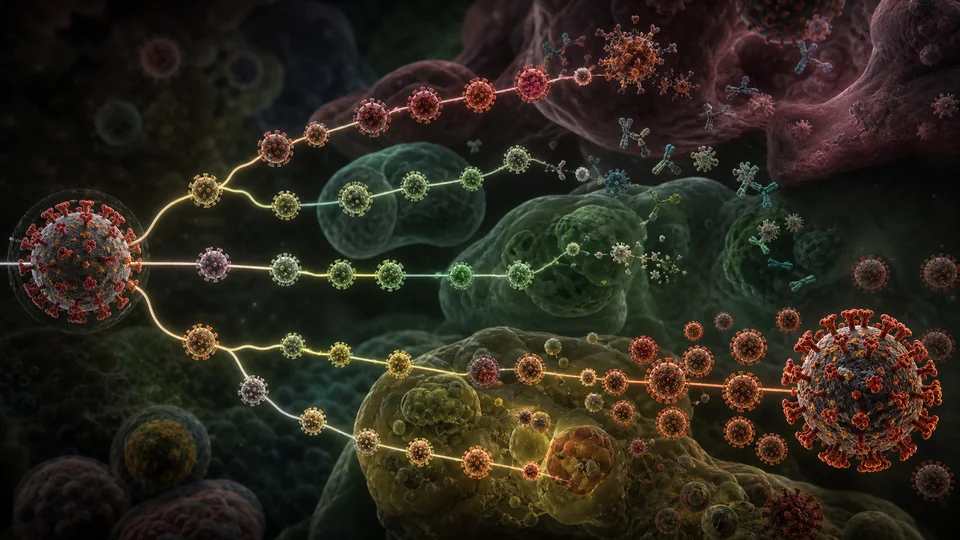
The change of viral populations through mutation, selection, recombination, migration and genetic drift across hosts and time.
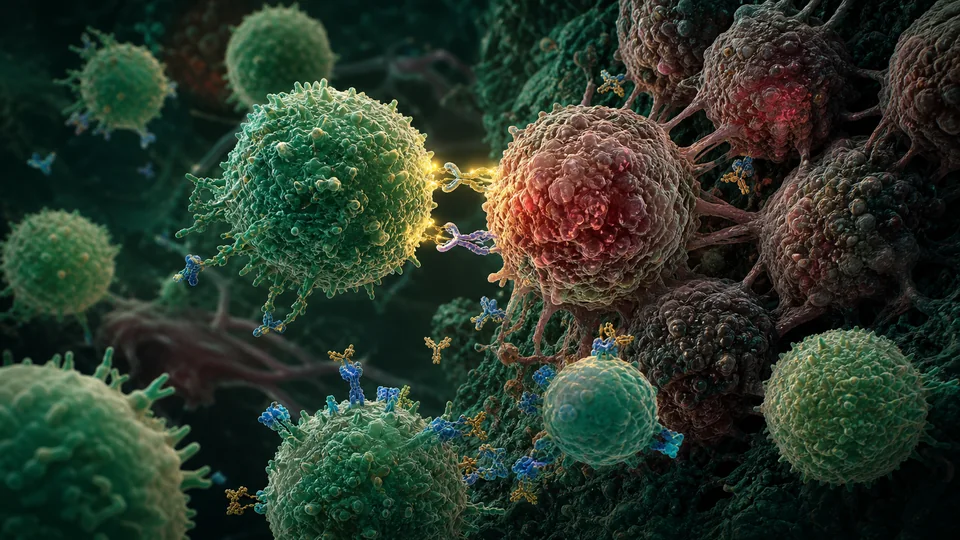
Treatments that redirect, strengthen or release immune responses to recognise and control malignant cells.
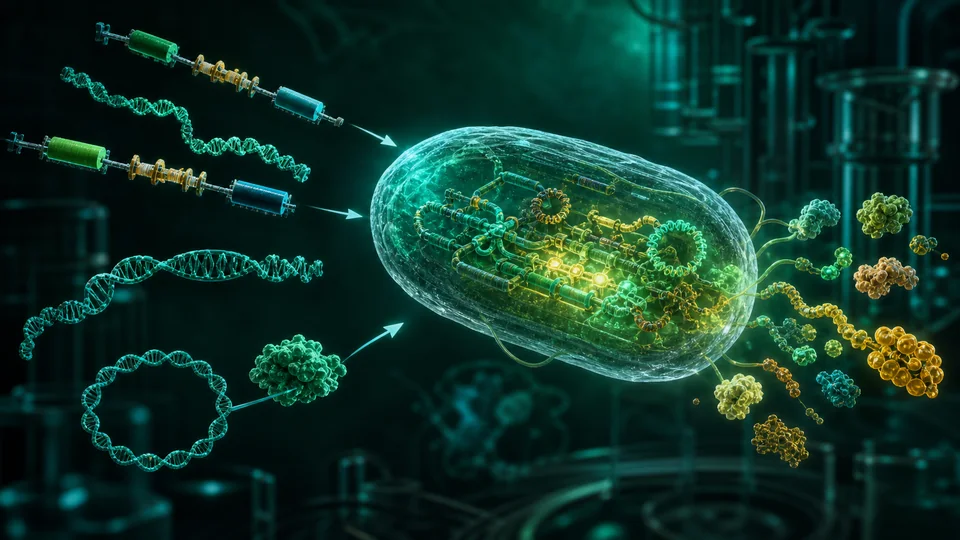
The design and construction of biological systems using engineering principles, quantitative models and molecular tools.
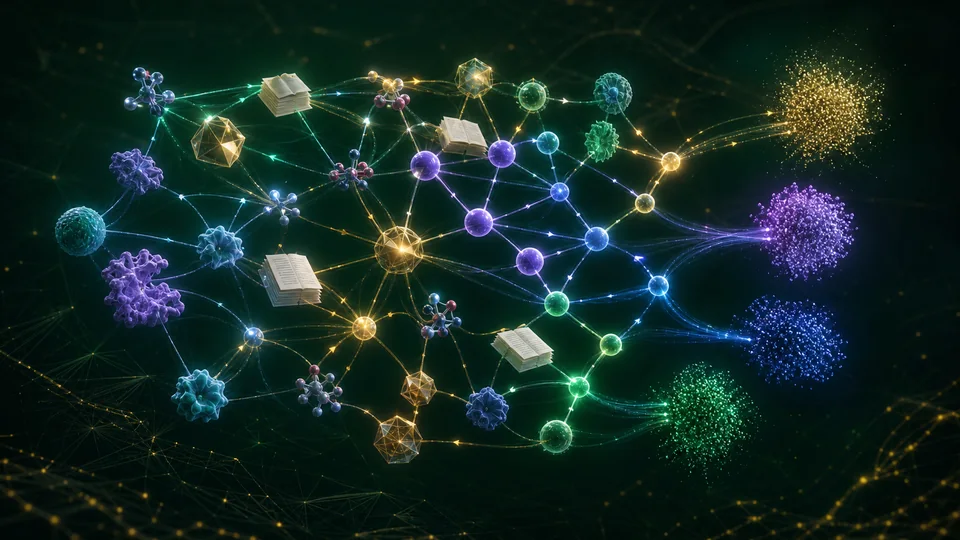
Machine-learning architectures that learn representations from entities connected by relational structure.
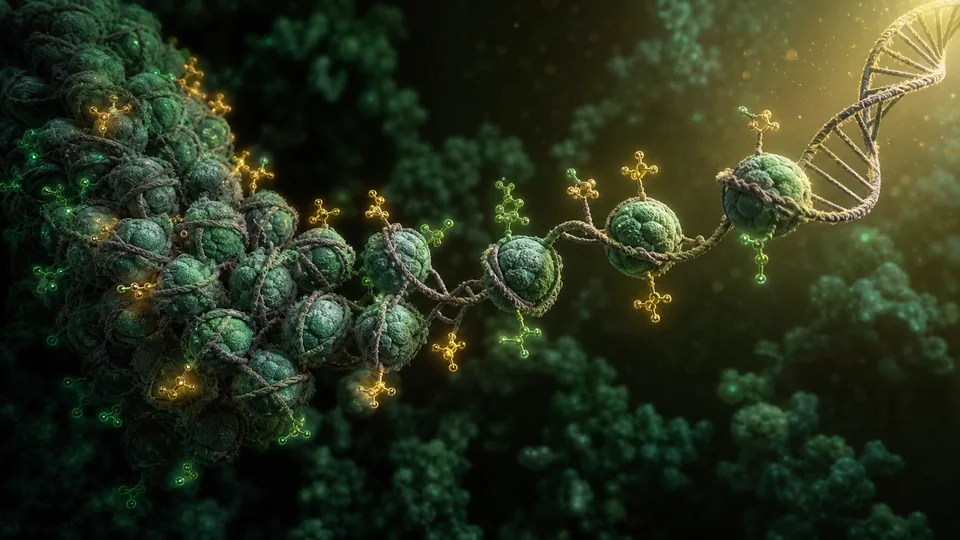
Heritable or persistent control of gene activity mediated by chromatin state without changing DNA sequence.
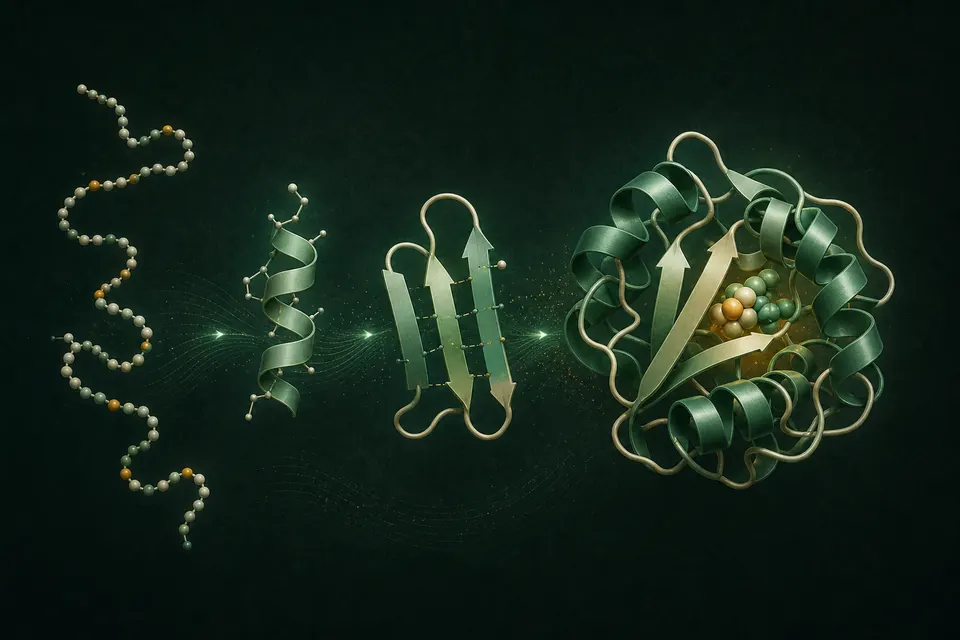
The process by which an amino-acid chain acquires the three-dimensional structure needed for biological function.
The inherited ability of microorganisms to survive or grow at drug concentrations that would normally inhibit them.