Digital Twins
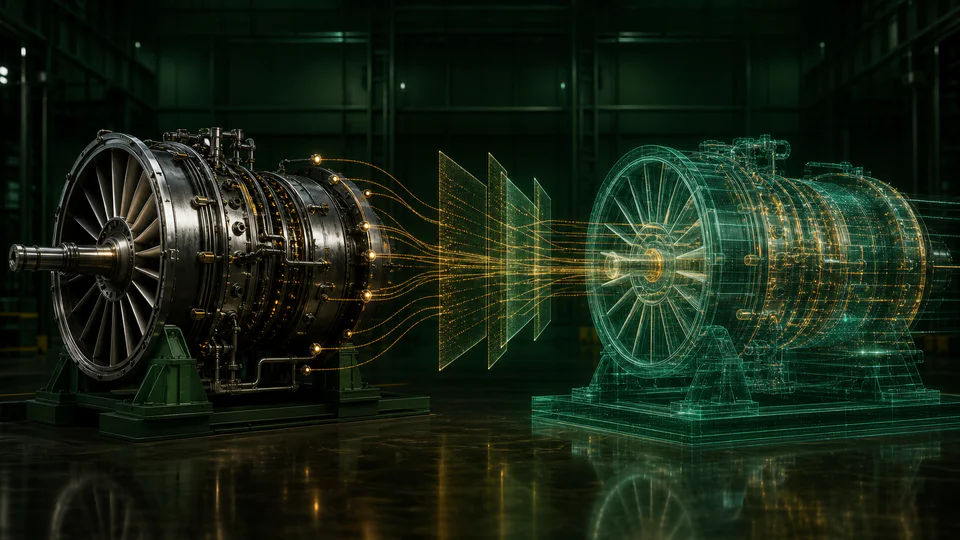
Continuously updated computational representations of physical assets or processes used to estimate state, test scenarios and guide decisions.
SCIENDIA Knowledge Desk
Read article
A living academic reference written, refined and transparently versioned by the Sciendia community.
Collaborative knowledgeSearch
12 results
Wiki pages are public to read. Every signed-in member can create and improve them.
Clear searchContinuously updated computational representations of physical assets or processes used to estimate state, test scenarios and guide decisions.
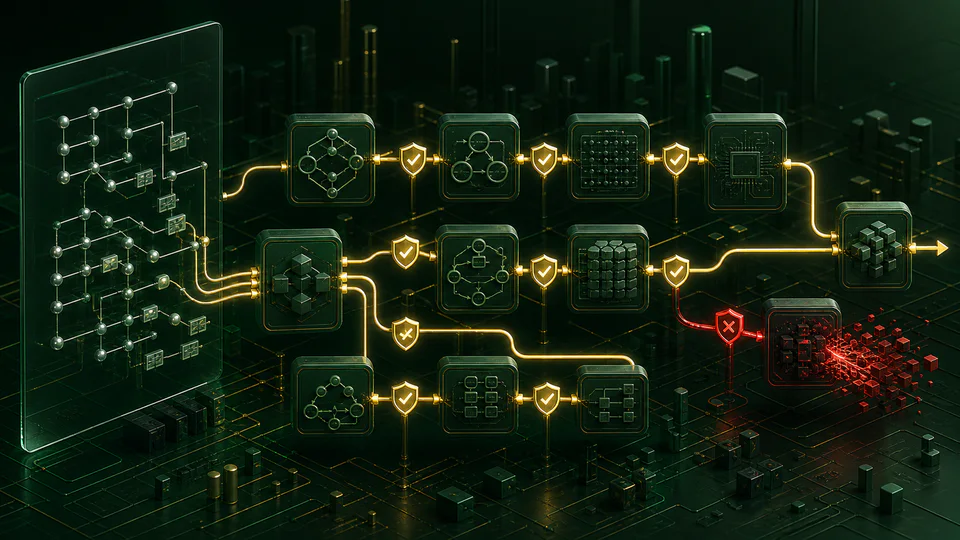
Mathematical methods for proving that hardware, software or protocols satisfy precisely stated properties under explicit assumptions.
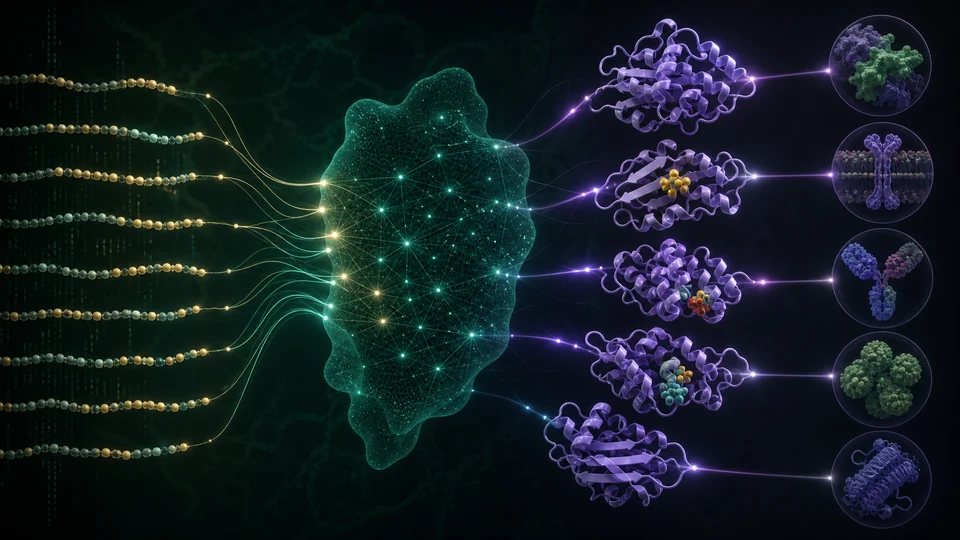
Machine-learning models that learn statistical representations of amino-acid sequences for prediction and molecular design.
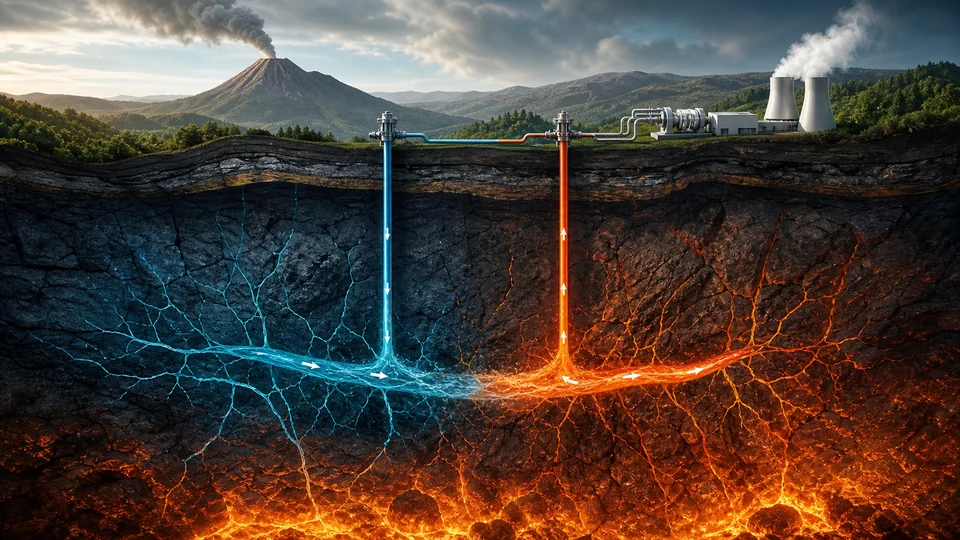
The characterisation and management of subsurface heat, fluids and fractures for durable geothermal energy production.
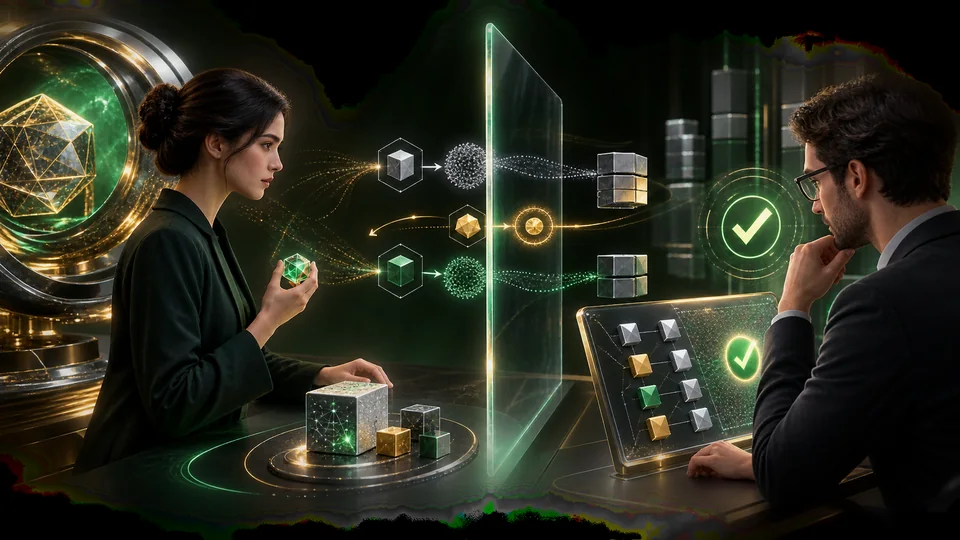
Cryptographic protocols that prove a statement is true without revealing the secret witness that makes it true.
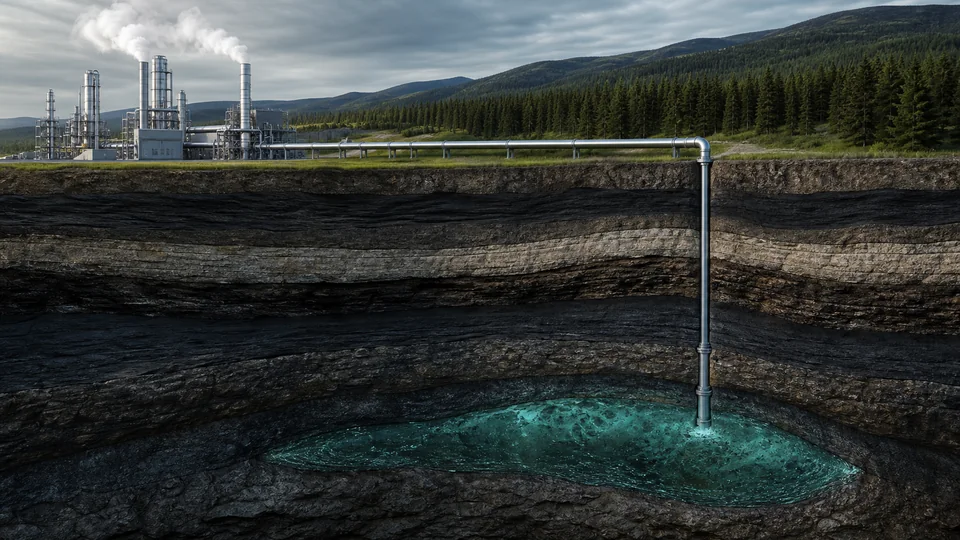
The separation of carbon dioxide from concentrated sources or air followed by transport and long-term geological containment.
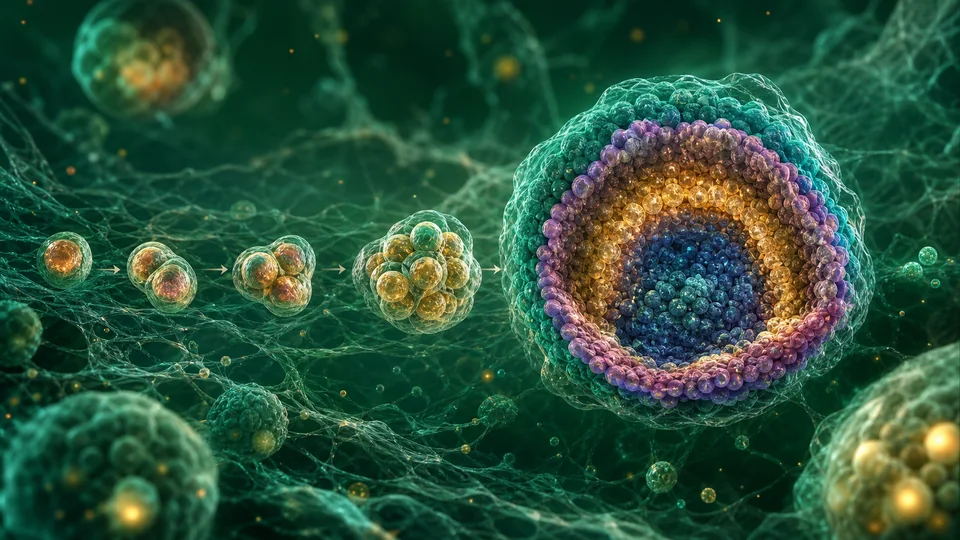
Three-dimensional, self-organising cell cultures that reproduce selected structural and functional features of organs.
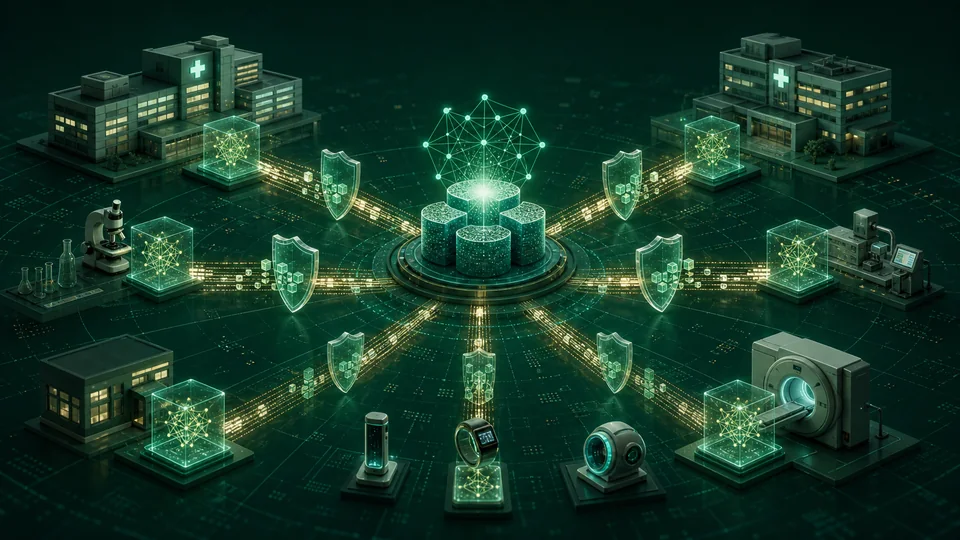
Distributed machine learning that coordinates model training across data holders without centralising their raw records.
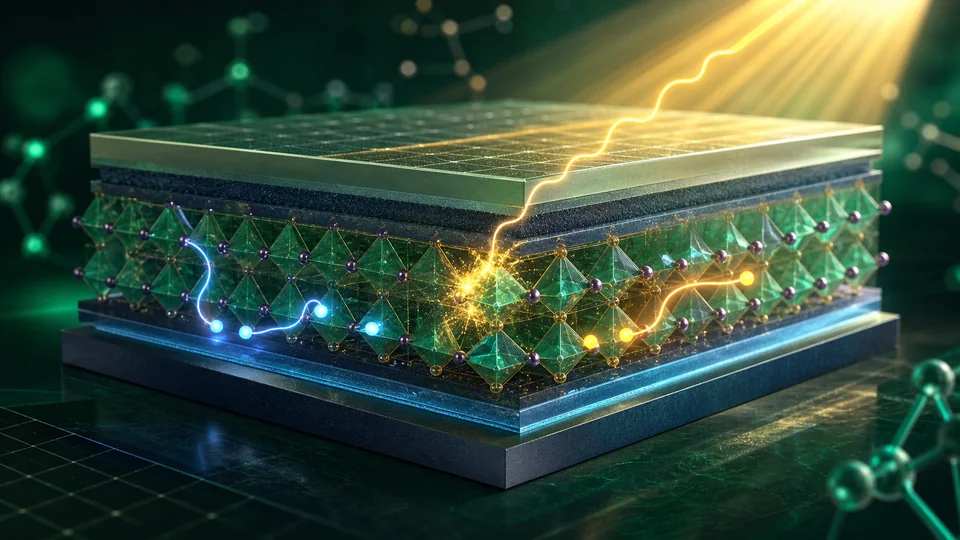
Thin-film photovoltaic devices built around halide-perovskite absorbers with tunable optoelectronic properties.
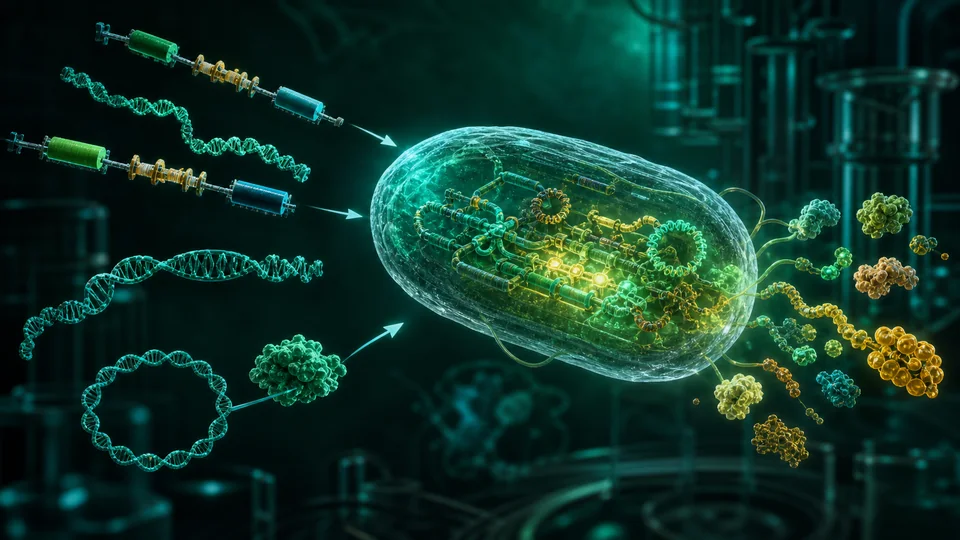
The design and construction of biological systems using engineering principles, quantitative models and molecular tools.
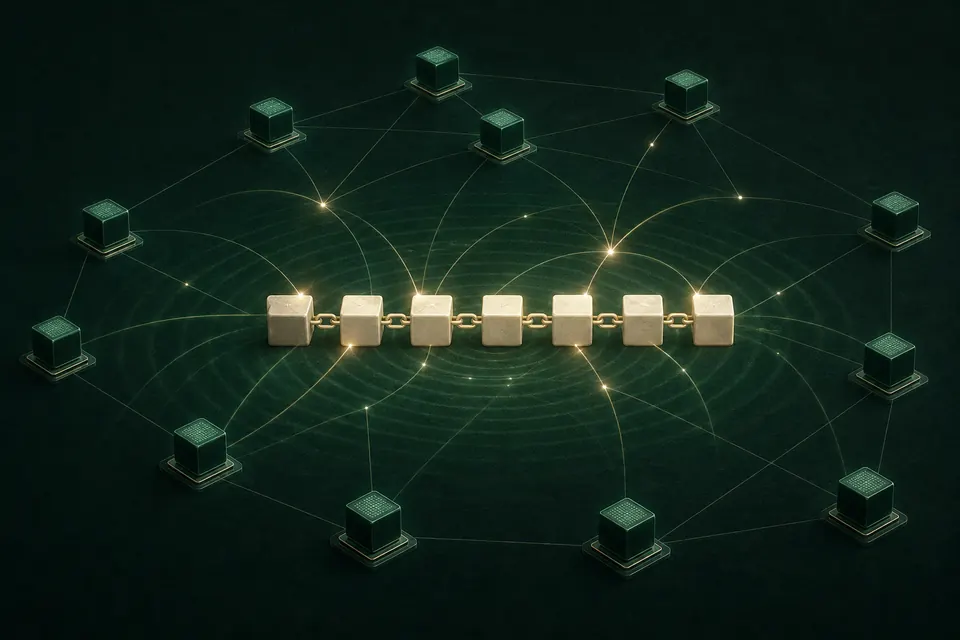
How distributed participants agree on an ordered ledger despite delays, failures and conflicting proposals.
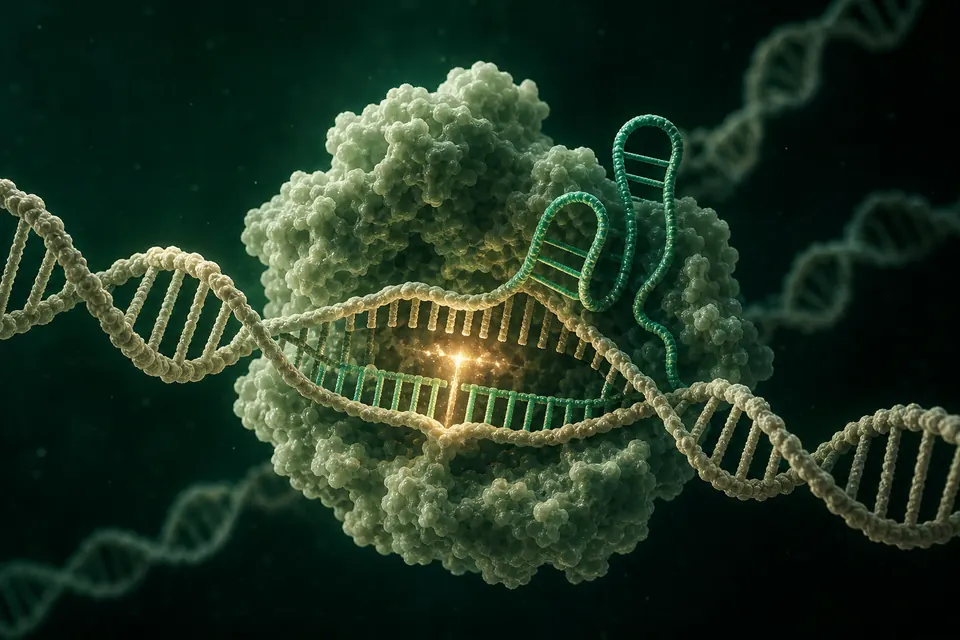
A programmable molecular system that can cut DNA near a sequence selected by a guide RNA.