Blue Carbon Ecosystems
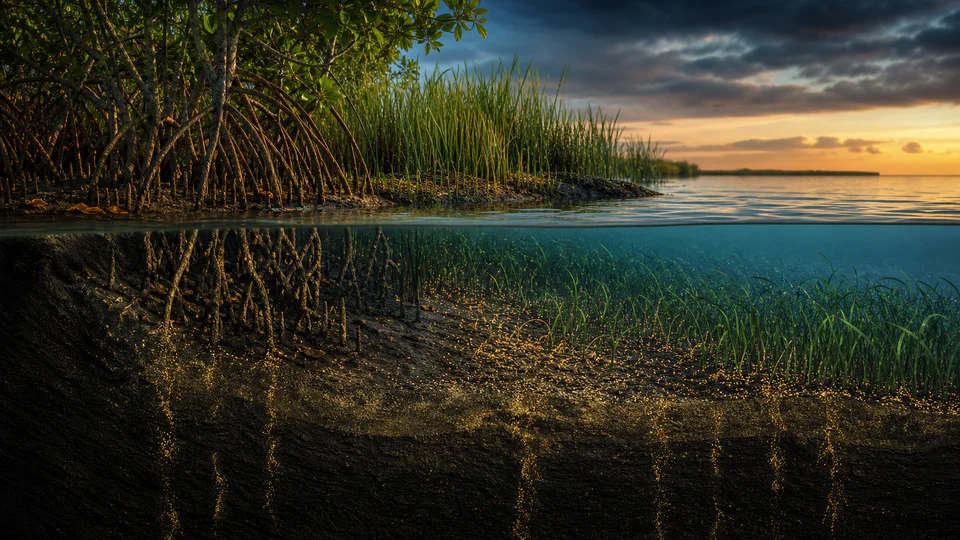
Coastal vegetated habitats such as mangroves, salt marshes and seagrass meadows that capture and store substantial carbon in biomass and sediments.
SCIENDIA Knowledge Desk
Read article
A living academic reference written, refined and transparently versioned by the Sciendia community.
Collaborative knowledgeSearch
10 results
Wiki pages are public to read. Every signed-in member can create and improve them.
Clear searchCoastal vegetated habitats such as mangroves, salt marshes and seagrass meadows that capture and store substantial carbon in biomass and sediments.
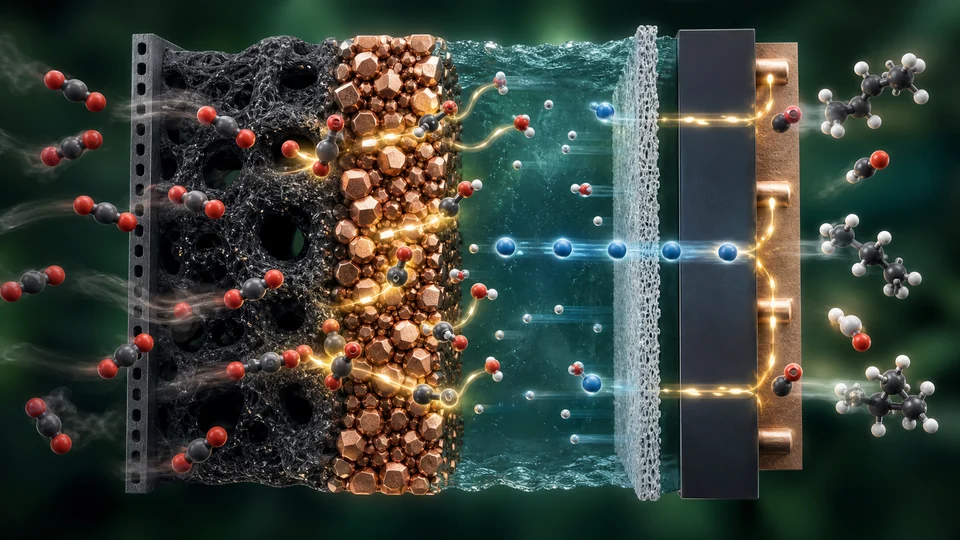
The use of electricity, catalysts and electrochemical interfaces to convert carbon dioxide into chemical products.
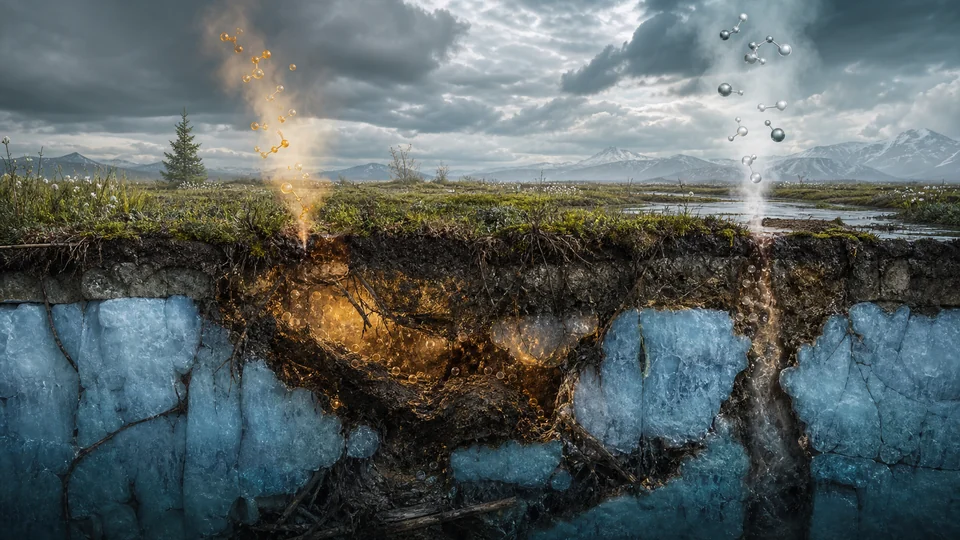
The climate interaction in which thaw exposes frozen organic matter to decomposition and releases additional greenhouse gases.
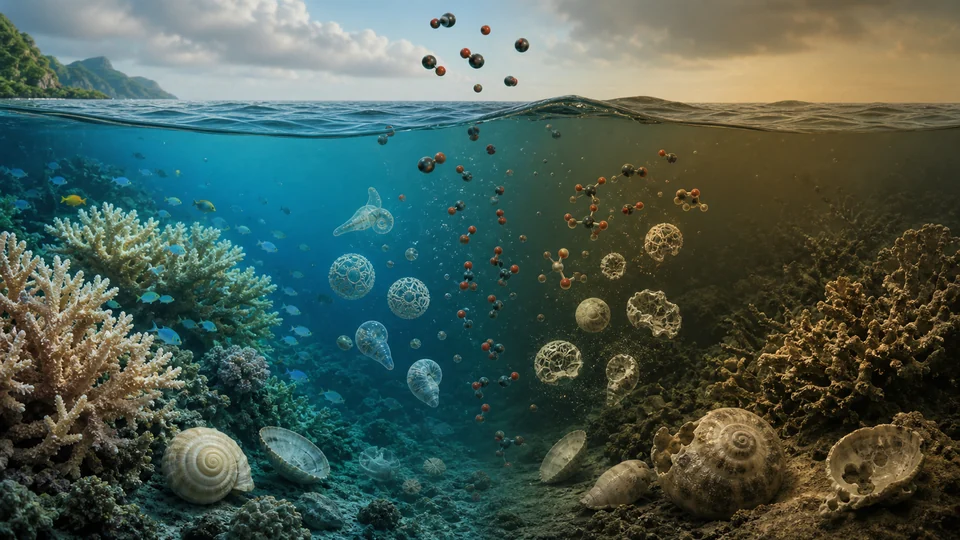
The long-term shift in seawater carbonate chemistry caused primarily by ocean uptake of anthropogenic carbon dioxide.
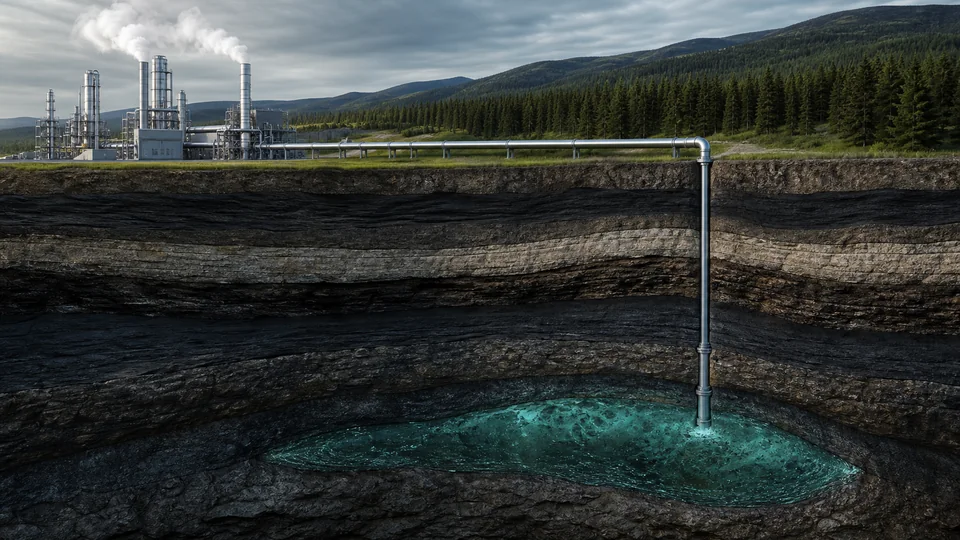
The separation of carbon dioxide from concentrated sources or air followed by transport and long-term geological containment.
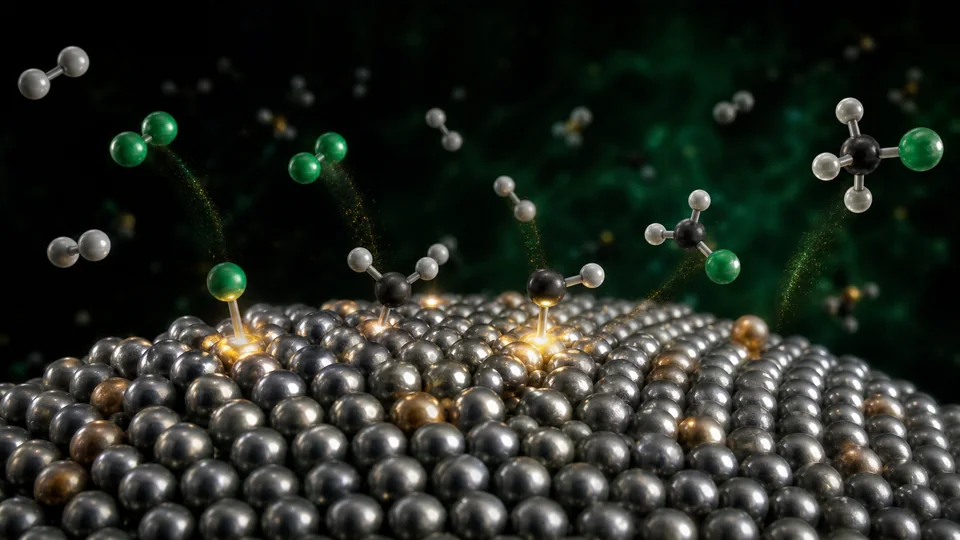
Chemical acceleration at an interface where reactants and catalyst occupy different physical phases.
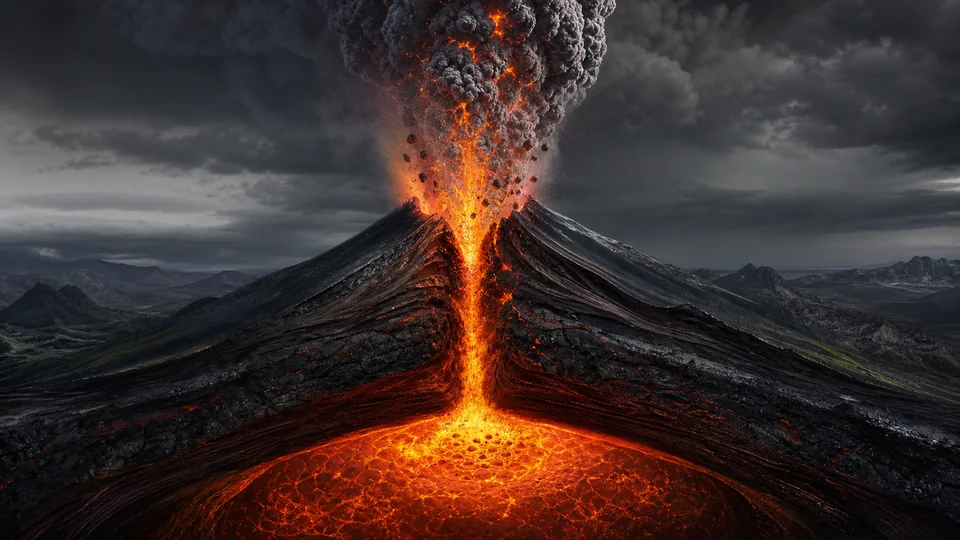
The coupled flow, degassing and fragmentation processes that govern how magma reaches the surface and erupts.
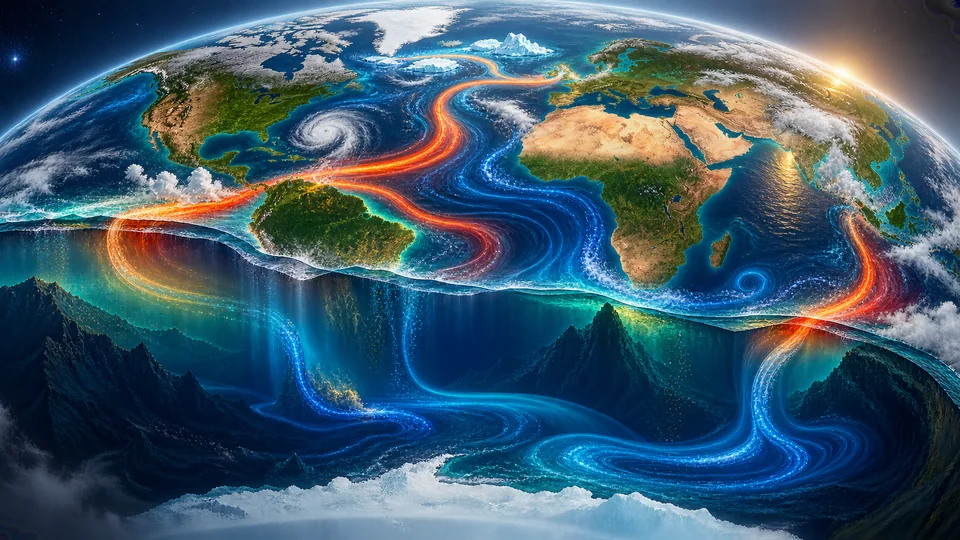
The wind-, buoyancy- and tide-driven movement of seawater that redistributes heat, carbon, nutrients and momentum.
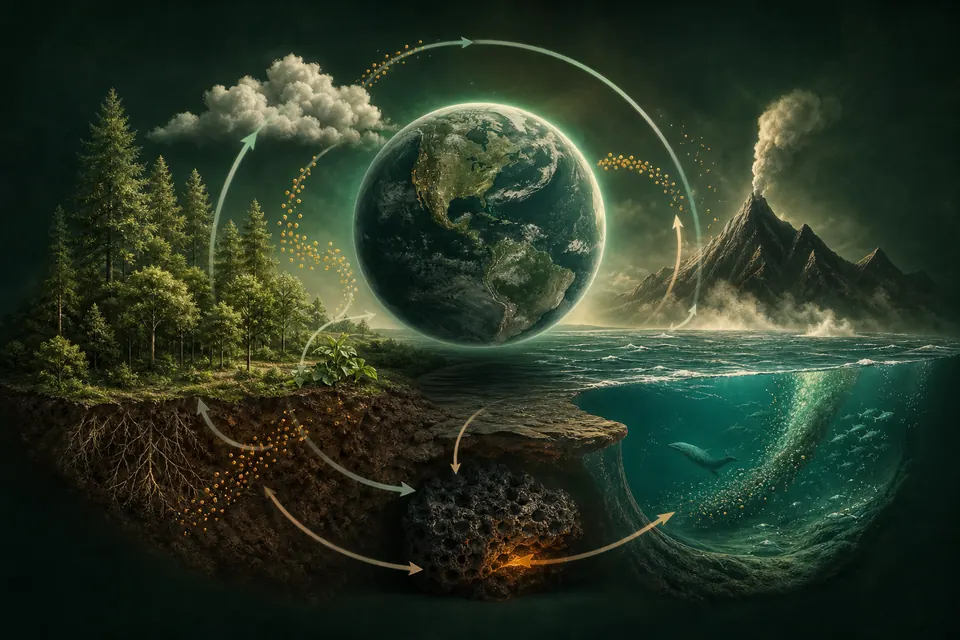
The movement of carbon among the atmosphere, oceans, living organisms, soils, rocks and Earth's interior.
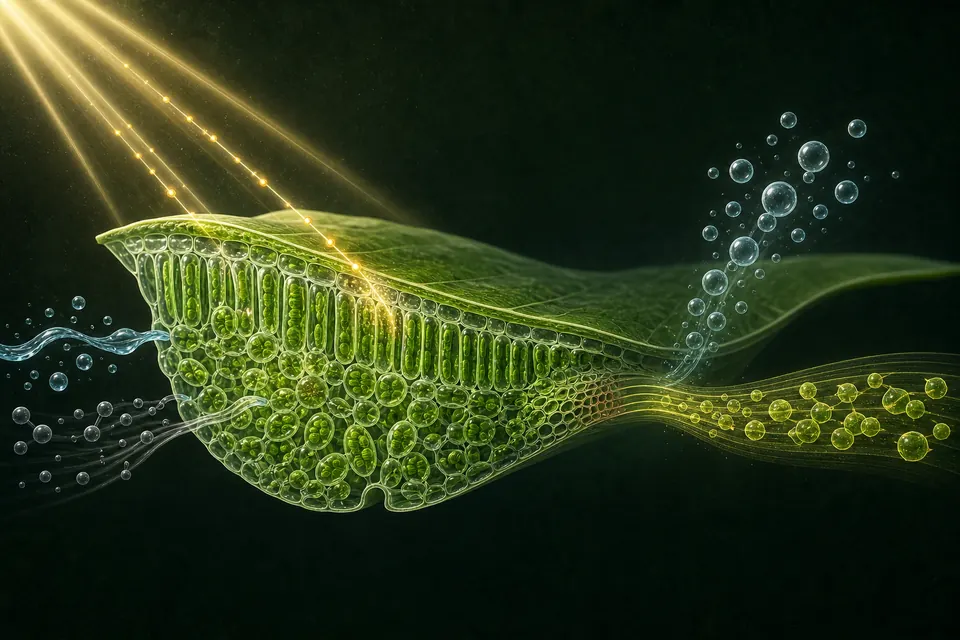
The biological conversion of light energy into chemical energy, coupled to carbon fixation in plants, algae and some bacteria.