Extreme Event Attribution
Quantitative analysis of how human-caused climate change altered the probability or intensity of a particular weather or climate extreme.
SCIENDIA Knowledge Desk
Read article
A living academic reference written, refined and transparently versioned by the Sciendia community.
Collaborative knowledgeSearch
18 results
Wiki pages are public to read. Every signed-in member can create and improve them.
Clear searchQuantitative analysis of how human-caused climate change altered the probability or intensity of a particular weather or climate extreme.
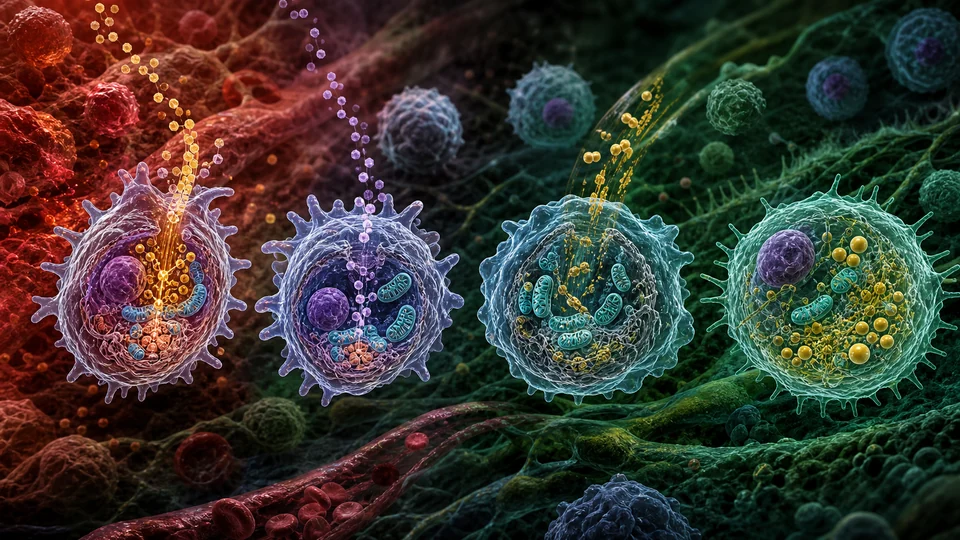
The reciprocal control between cellular metabolic pathways and the activation, differentiation and function of immune cells.
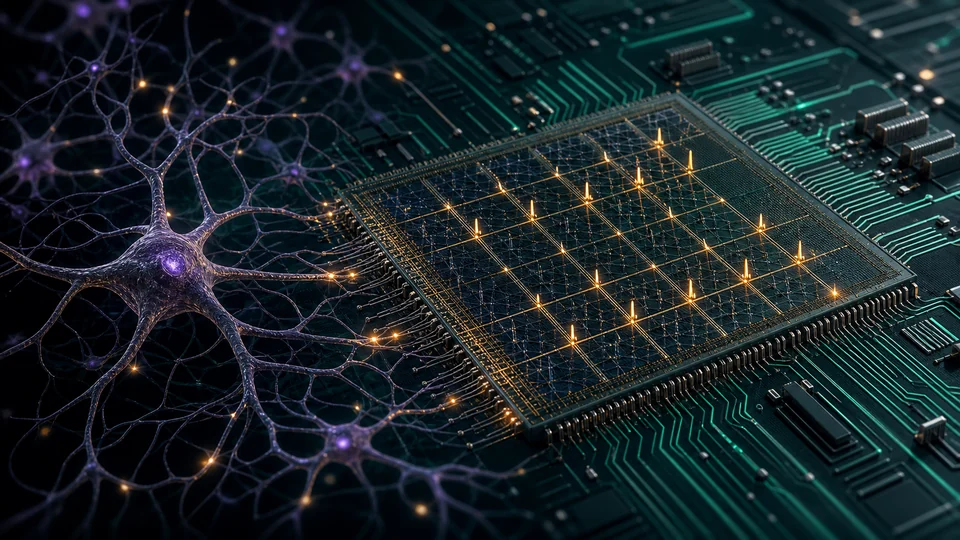
Computing architectures that use brain-inspired event-driven neurons, synapses and memory-compute integration.
The climate interaction in which thaw exposes frozen organic matter to decomposition and releases additional greenhouse gases.
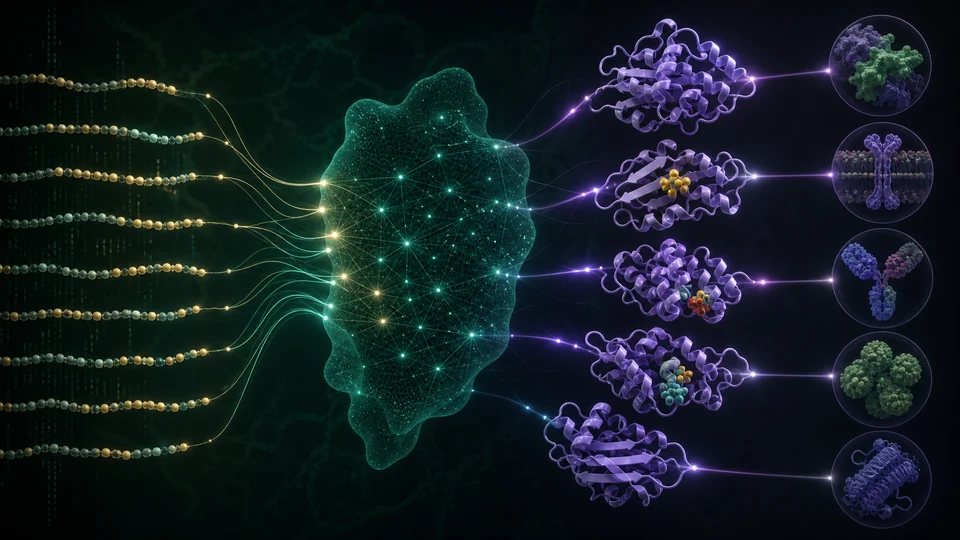
Machine-learning models that learn statistical representations of amino-acid sequences for prediction and molecular design.
The long-term shift in seawater carbonate chemistry caused primarily by ocean uptake of anthropogenic carbon dioxide.
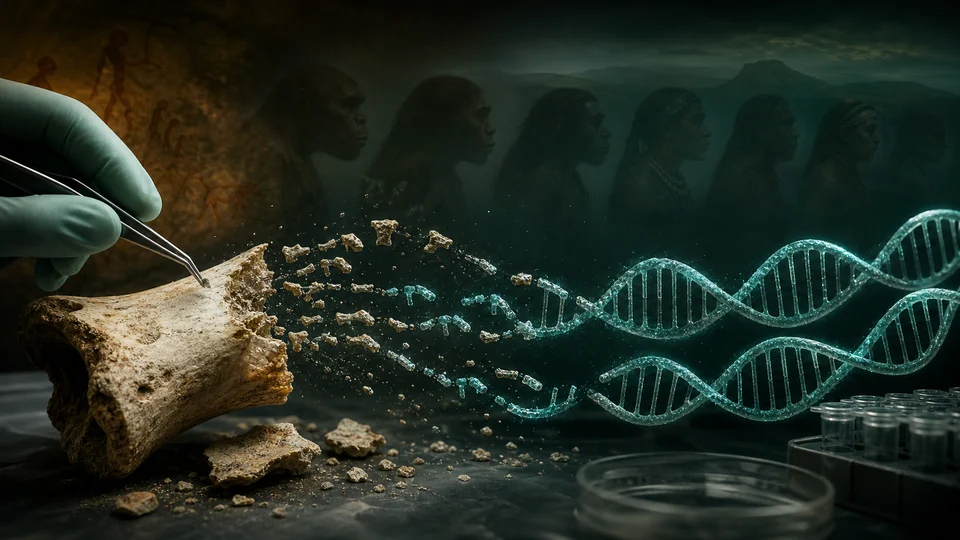
The reconstruction and analysis of genomes from ancient biological remains to study populations, evolution and disease through time.
Machine learning for sequential decisions in which an agent improves behaviour from rewards generated through interaction.
A mathematical framework for transforming one distribution into another while minimising a defined movement cost.
Long, narrow corridors of concentrated horizontal water-vapour transport that deliver major precipitation to continental margins.
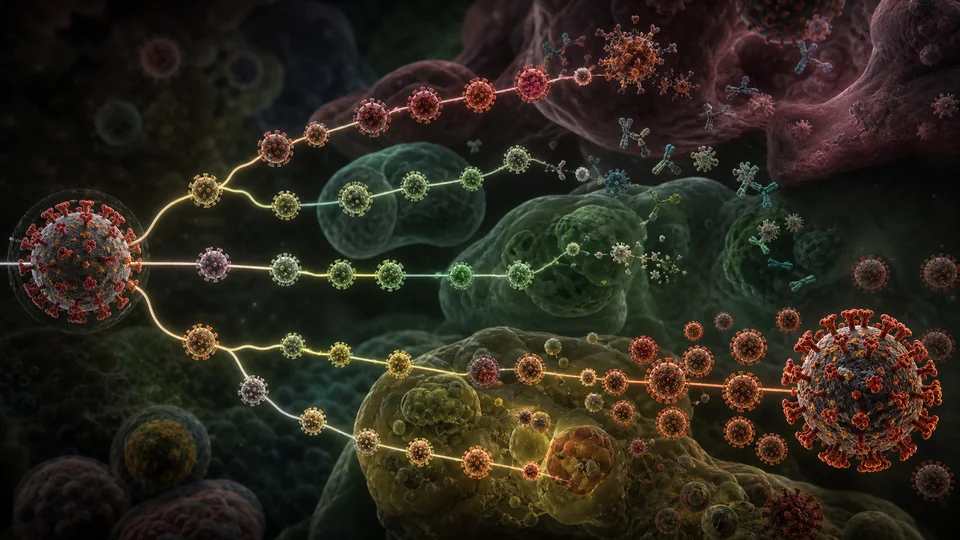
The change of viral populations through mutation, selection, recombination, migration and genetic drift across hosts and time.
The deformation, sliding and mass exchange that govern how land ice flows from accumulation zones toward its margins.
The capacity of reef ecosystems to resist disturbance, recover structure and retain ecological function under environmental change.
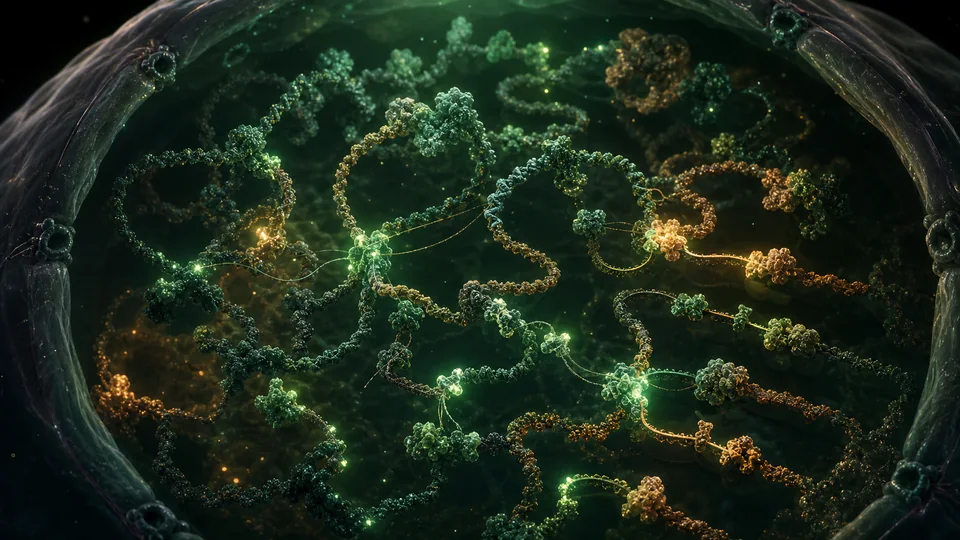
Interacting genes, regulatory DNA and molecular factors that control when and where biological programmes are expressed.
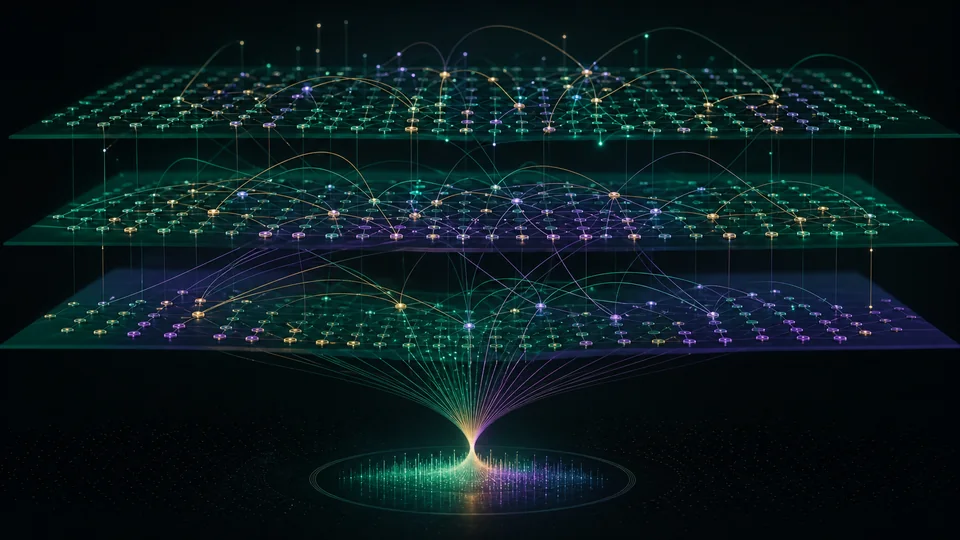
Neural-network systems that model relationships among tokens using attention and parallel sequence processing.
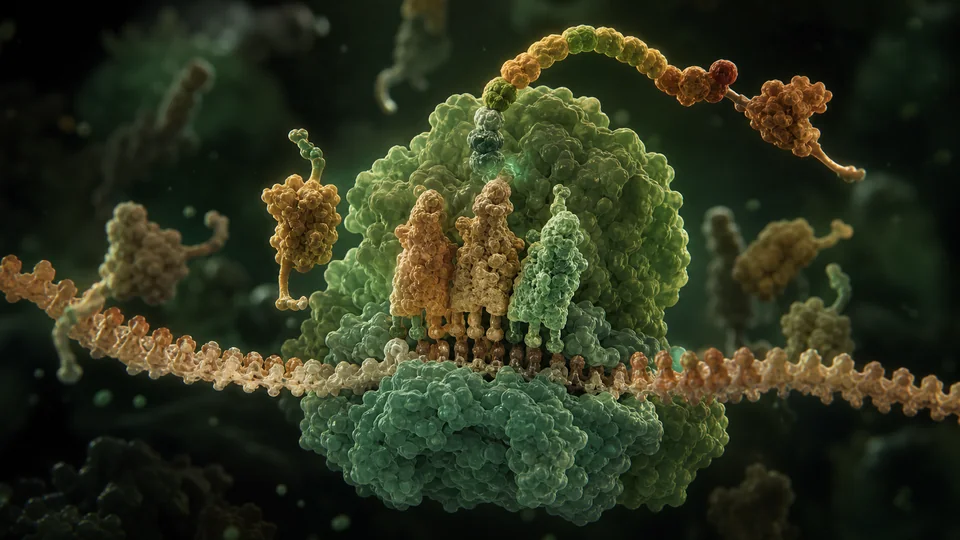
The molecular decoding of messenger RNA into an ordered amino-acid chain by ribosomes and transfer RNAs.
Distributed machine learning that coordinates model training across data holders without centralising their raw records.
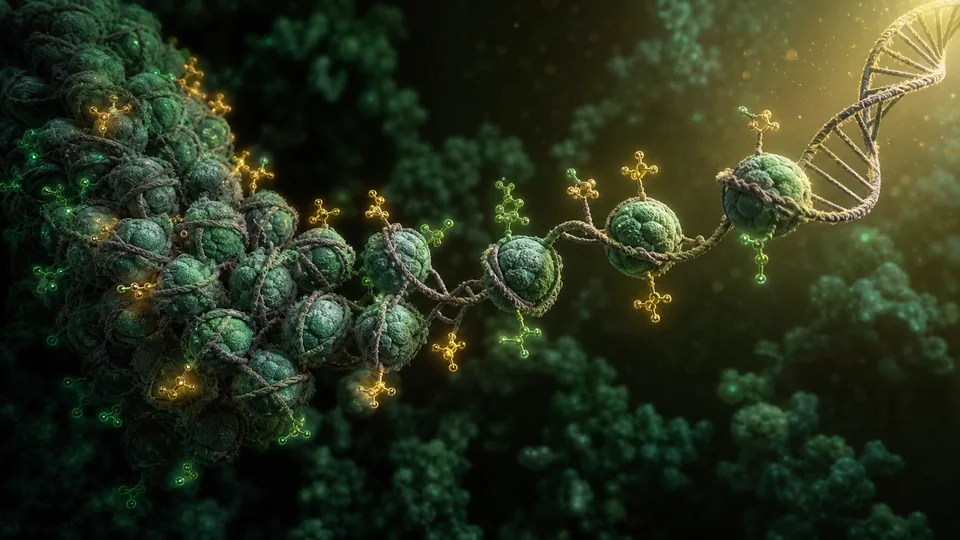
Heritable or persistent control of gene activity mediated by chromatin state without changing DNA sequence.