CAR T-Cell Therapy
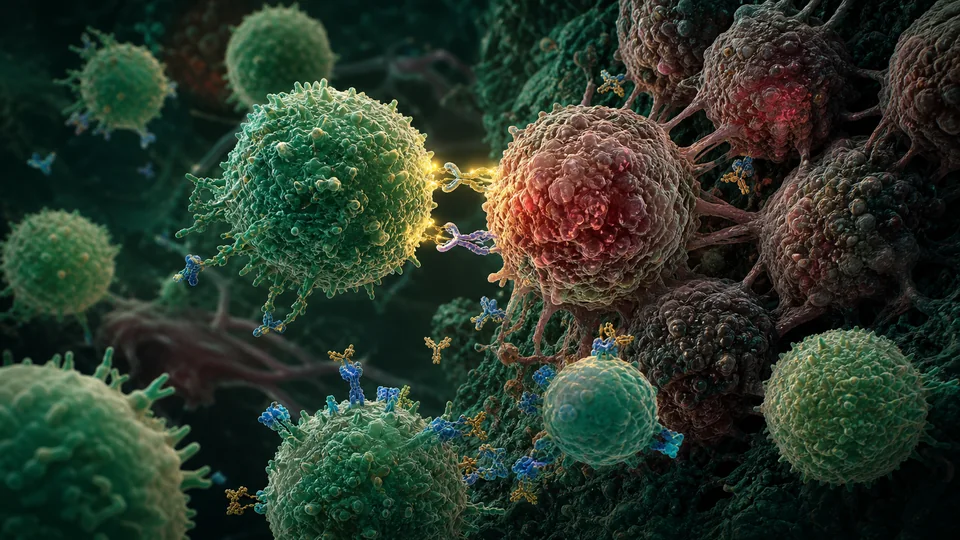
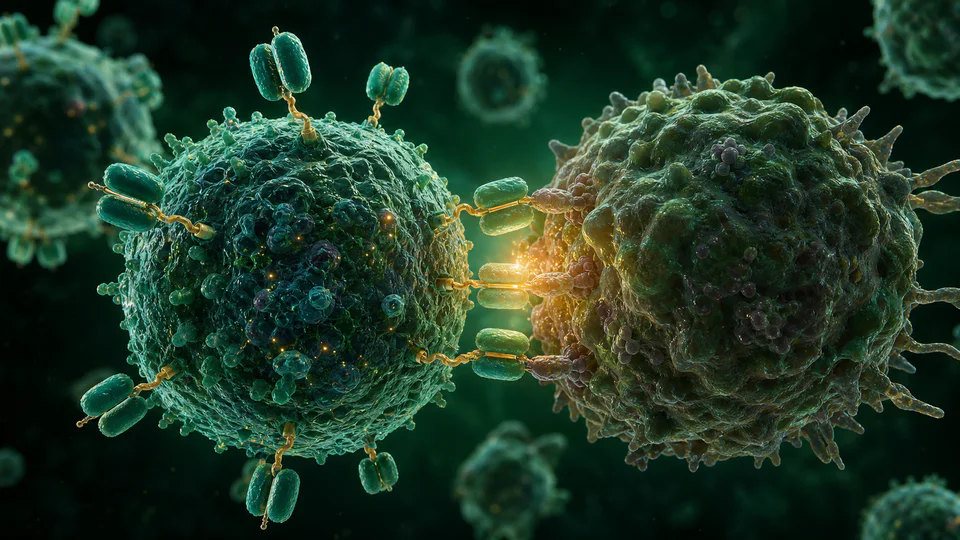
Cell therapy in which a patient's or donor's T cells are engineered with a synthetic receptor that recognises a selected disease antigen.
SCIENDIA Knowledge Desk
Read article
A living academic reference written, refined and transparently versioned by the Sciendia community.
Collaborative knowledgeSearch
16 results
Wiki pages are public to read. Every signed-in member can create and improve them.
Clear searchCell therapy in which a patient's or donor's T cells are engineered with a synthetic receptor that recognises a selected disease antigen.
Analysis of tumour-derived DNA, cells, vesicles or other biomarkers in blood and body fluids to characterise cancer non-invasively.
The reciprocal control between cellular metabolic pathways and the activation, differentiation and function of immune cells.
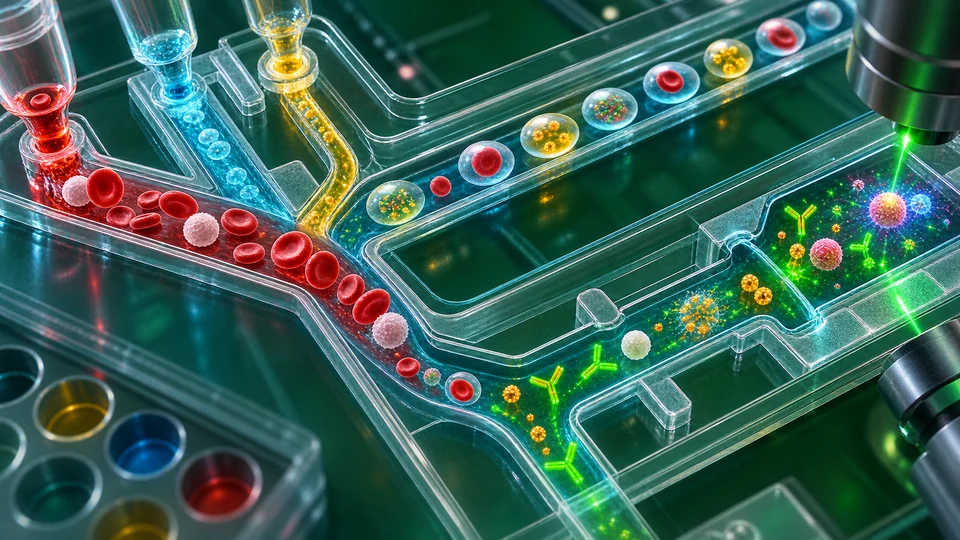
The control of very small fluid volumes in engineered channels for analysis, synthesis and biological experimentation.
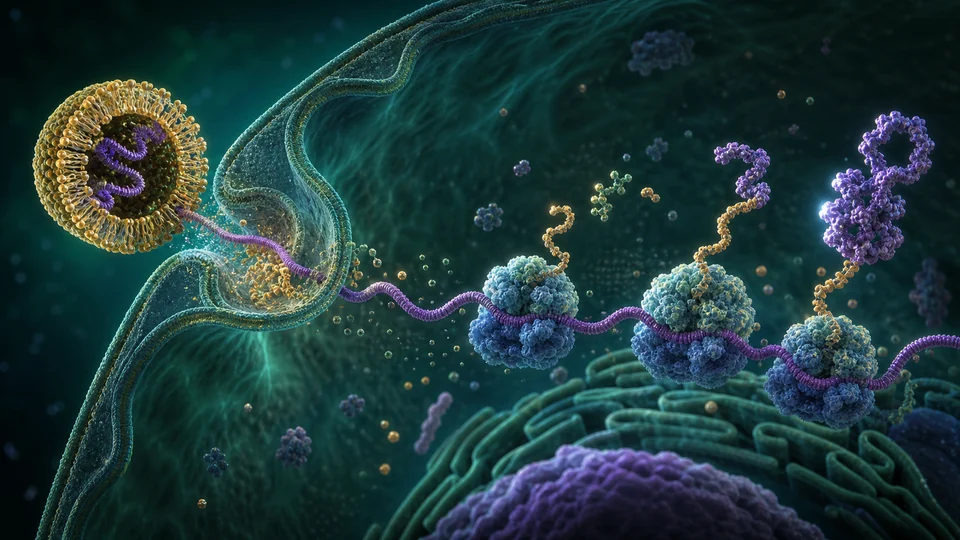
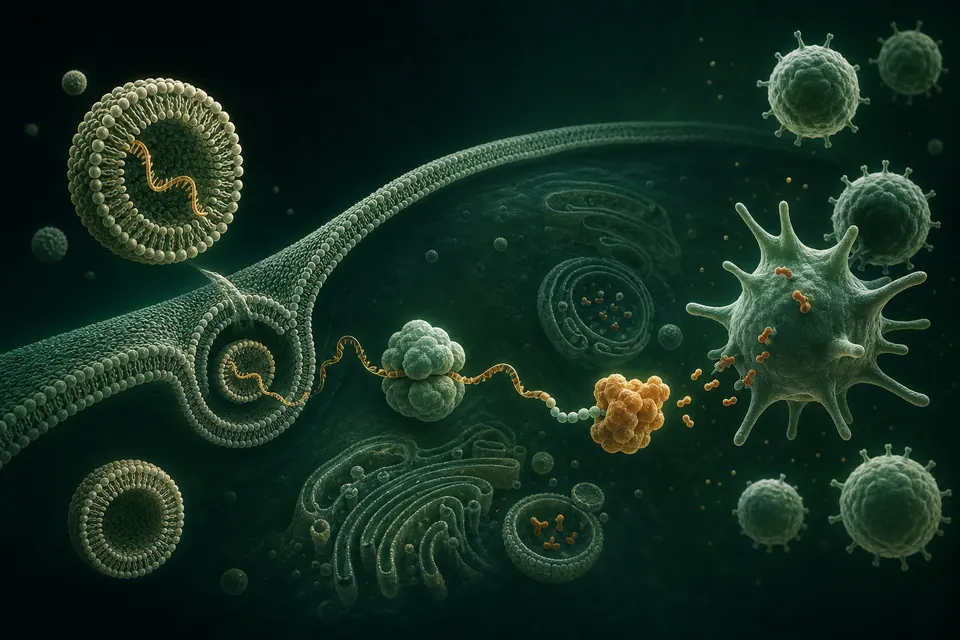
Medicines that deliver engineered messenger RNA so cells transiently produce a therapeutic protein or antigen.
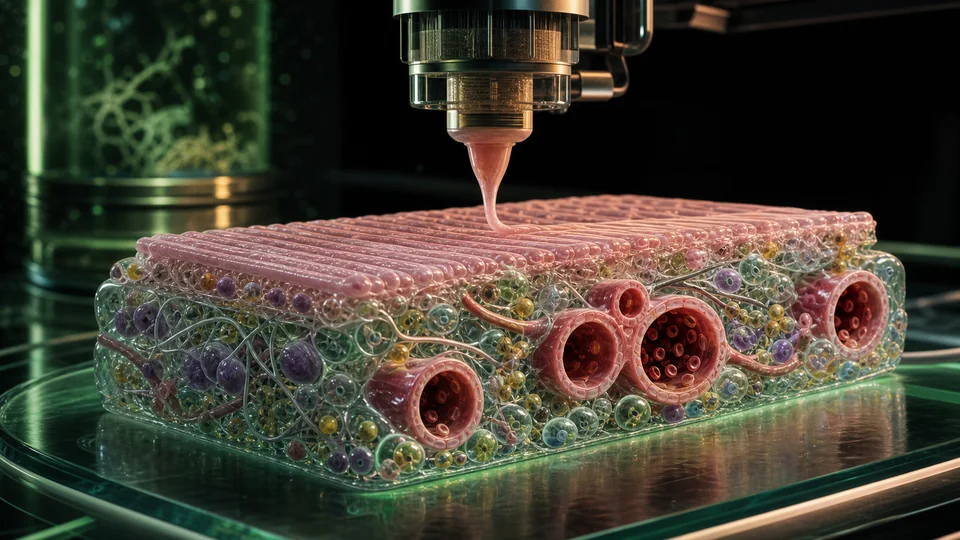
Layer-by-layer fabrication of living tissue constructs using cells, biomaterials and spatially controlled deposition.
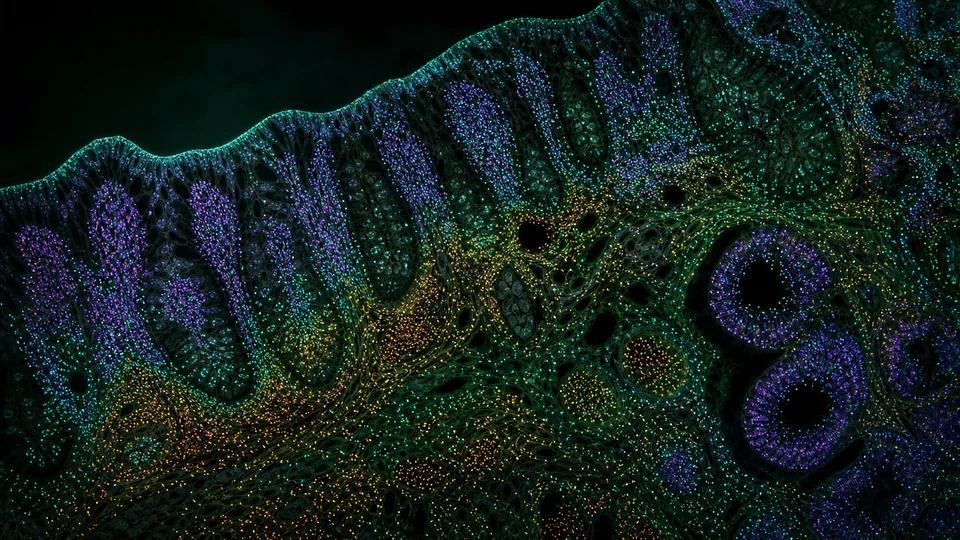
Methods that measure gene expression while preserving the locations and neighbourhoods of cells within tissue.
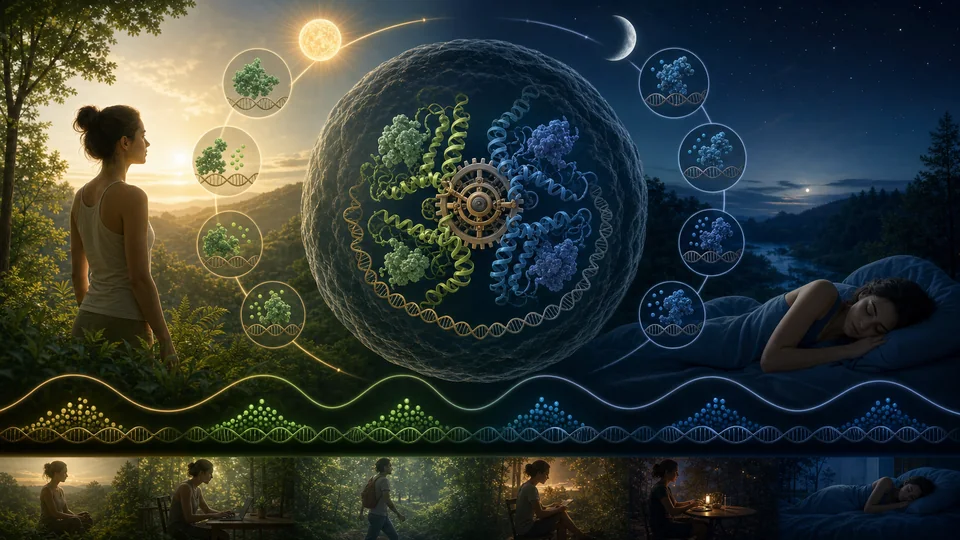
Endogenous biological cycles near twenty-four hours that coordinate physiology and behaviour with environmental time.
Treatments that redirect, strengthen or release immune responses to recognise and control malignant cells.
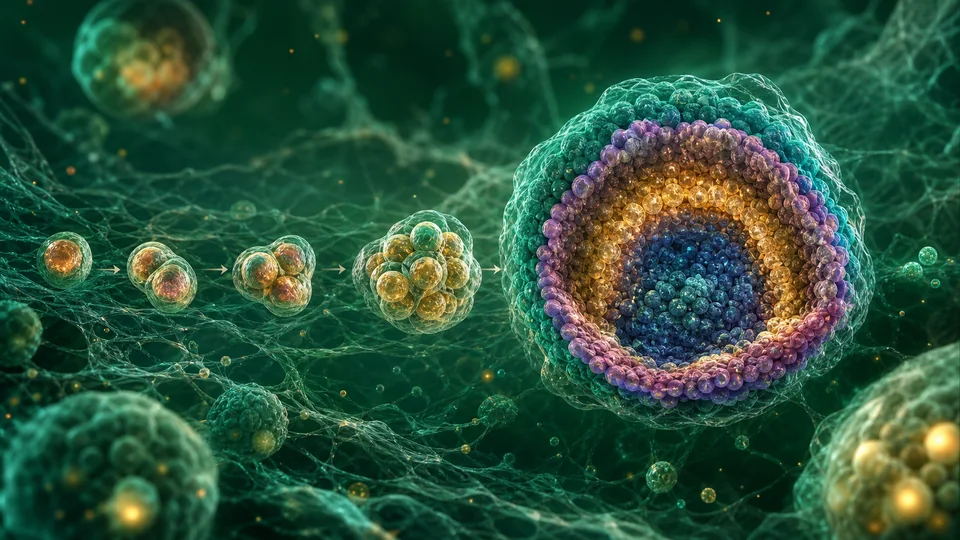
Three-dimensional, self-organising cell cultures that reproduce selected structural and functional features of organs.
Statistical and experimental frameworks for estimating how interventions change outcomes rather than merely describing associations.
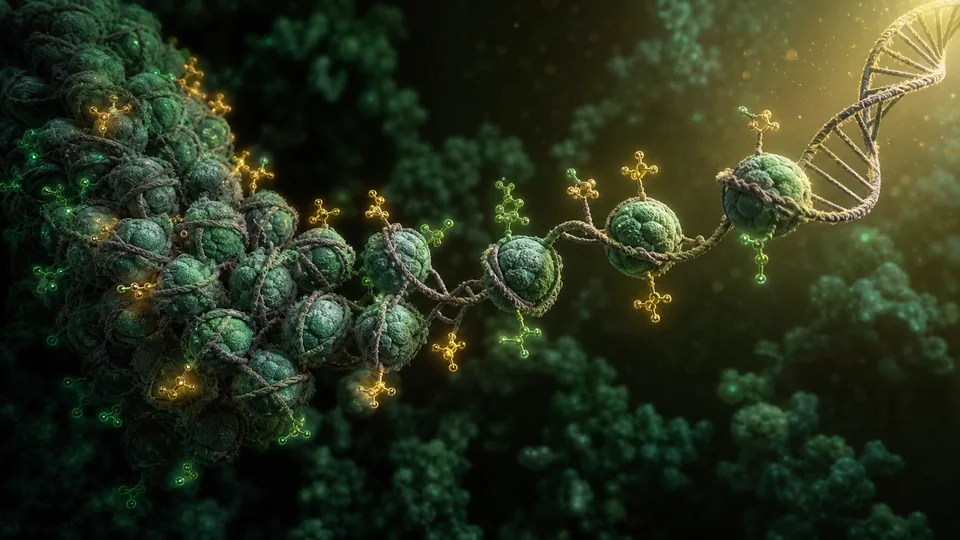
Heritable or persistent control of gene activity mediated by chromatin state without changing DNA sequence.
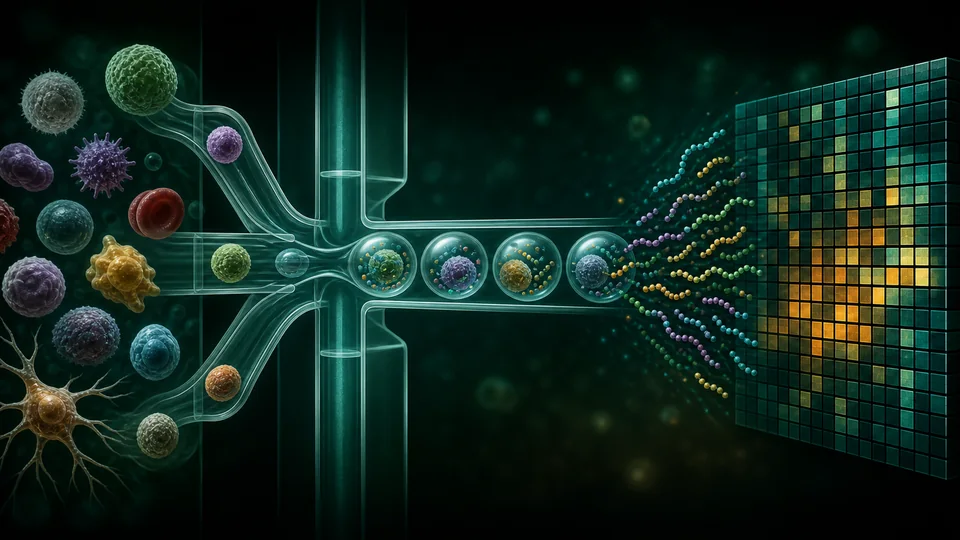
Methods that measure transcript abundance in individual cells to resolve heterogeneous biological populations.
Vaccines that deliver temporary genetic instructions so cells produce an antigen and train adaptive immunity.
The inherited ability of microorganisms to survive or grow at drug concentrations that would normally inhibit them.
A programmable molecular system that can cut DNA near a sequence selected by a guide RNA.