Chaos Theory
The study of deterministic nonlinear systems whose trajectories can become unpredictable through sensitive dependence on initial conditions.
SCIENDIA Knowledge Desk
Read article
A living academic reference written, refined and transparently versioned by the Sciendia community.
Collaborative knowledgeSearch
54 results Page 2/3
Wiki pages are public to read. Every signed-in member can create and improve them.
Clear searchThe study of deterministic nonlinear systems whose trajectories can become unpredictable through sensitive dependence on initial conditions.
The deformation, sliding and mass exchange that govern how land ice flows from accumulation zones toward its margins.
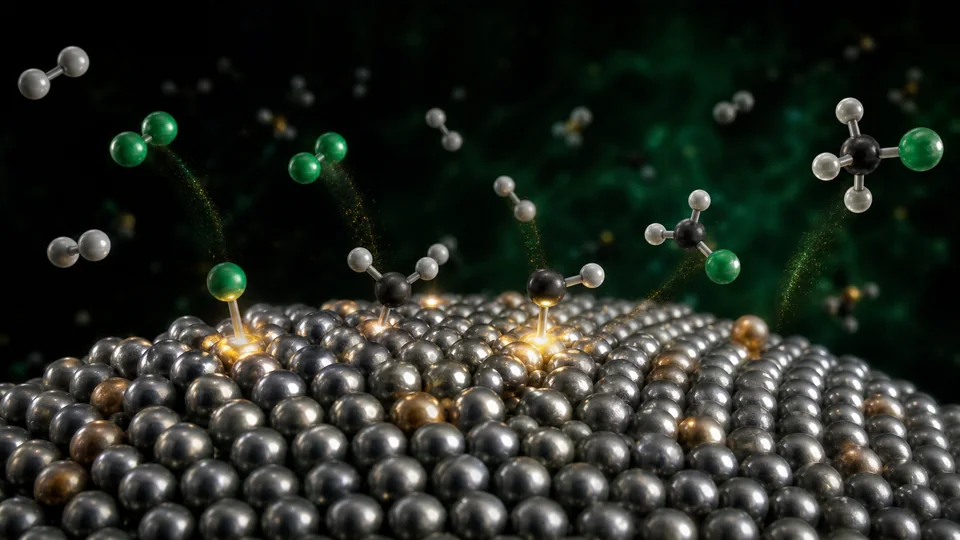
Chemical acceleration at an interface where reactants and catalyst occupy different physical phases.
The name given to the component or gravitational effect associated with the accelerating expansion of the universe.
Interacting genes, regulatory DNA and molecular factors that control when and where biological programmes are expressed.
A collective quantum state in which electrical resistance vanishes and magnetic response changes below critical conditions.
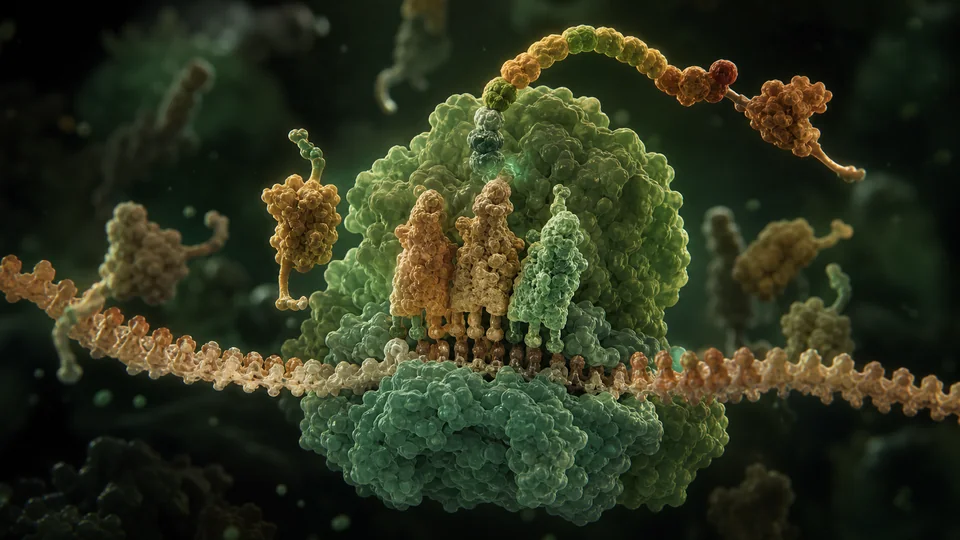
The molecular decoding of messenger RNA into an ordered amino-acid chain by ribosomes and transfer RNAs.
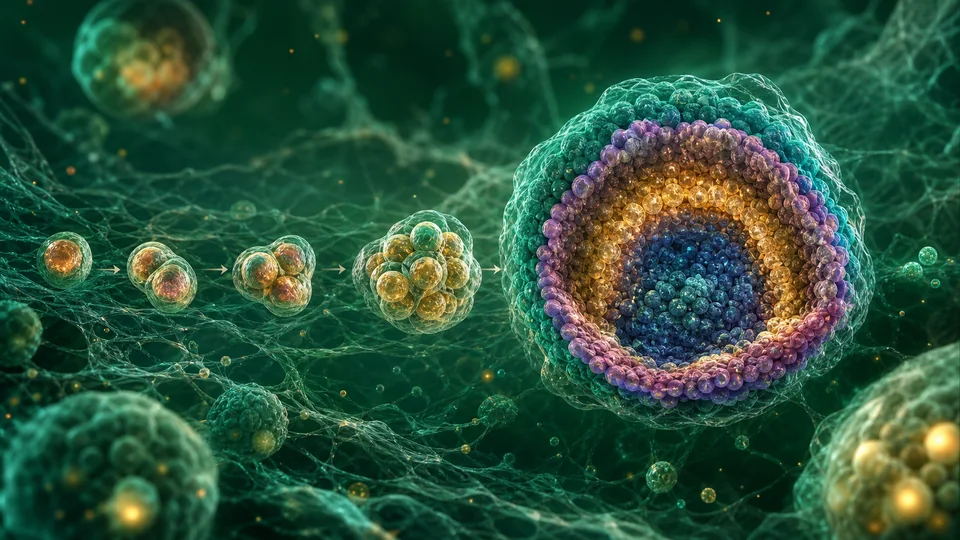
Three-dimensional, self-organising cell cultures that reproduce selected structural and functional features of organs.
Distributed machine learning that coordinates model training across data holders without centralising their raw records.
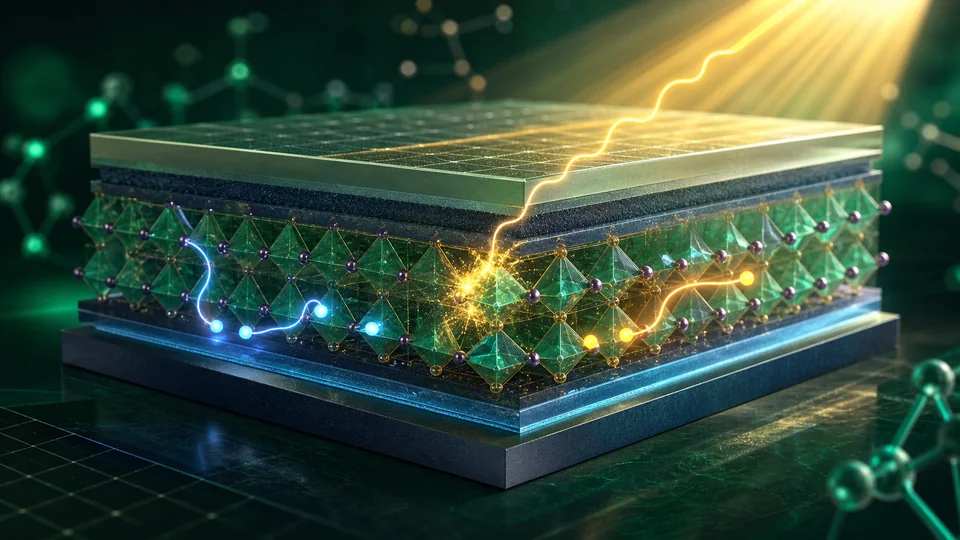
Thin-film photovoltaic devices built around halide-perovskite absorbers with tunable optoelectronic properties.
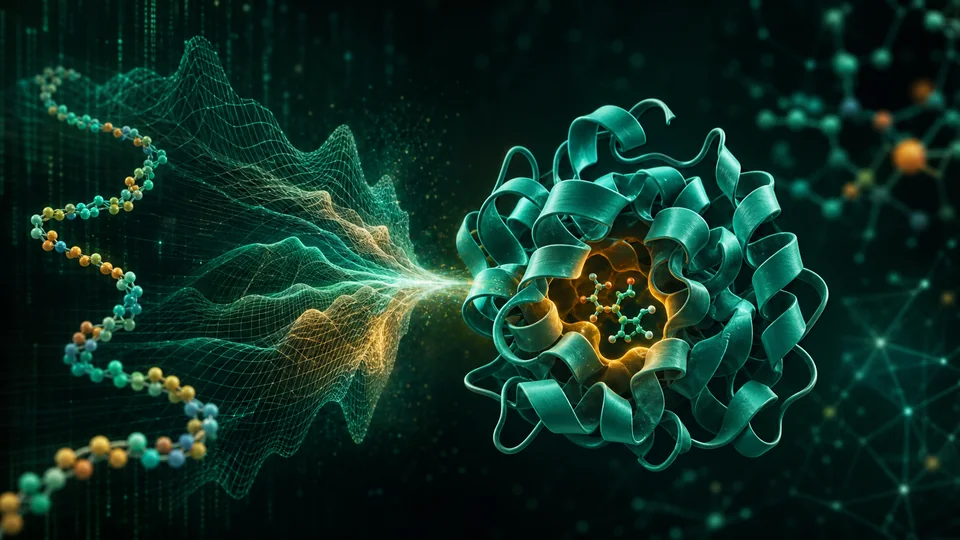
The algorithmic creation of amino-acid sequences expected to fold into structures with specified biochemical functions.
Statistical and experimental frameworks for estimating how interventions change outcomes rather than merely describing associations.
The coupled ion transport, electron transfer and materials transformations that store and release electrical energy in batteries.
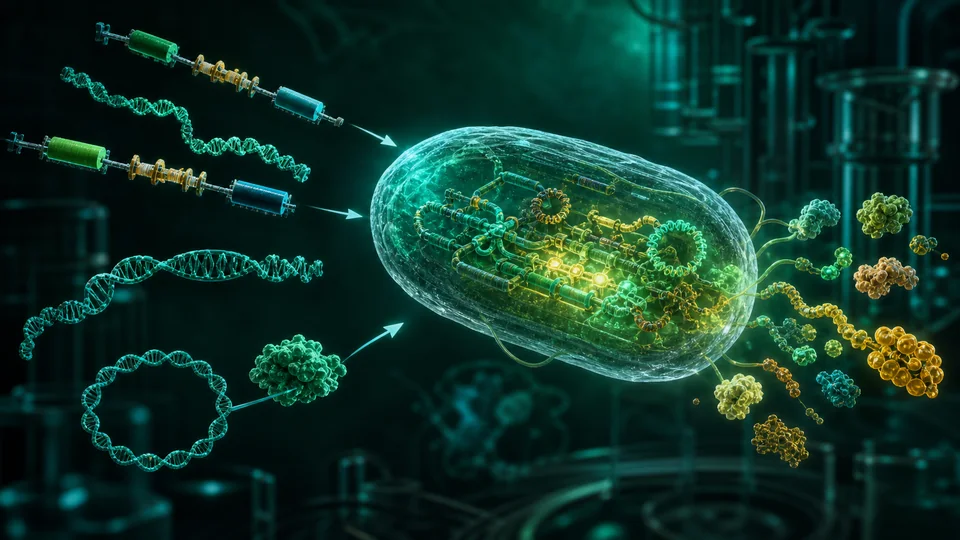
The design and construction of biological systems using engineering principles, quantitative models and molecular tools.
Cryptographic methods that permit selected computations on encrypted data without first revealing the plaintext.
The wind-, buoyancy- and tide-driven movement of seawater that redistributes heat, carbon, nutrients and momentum.
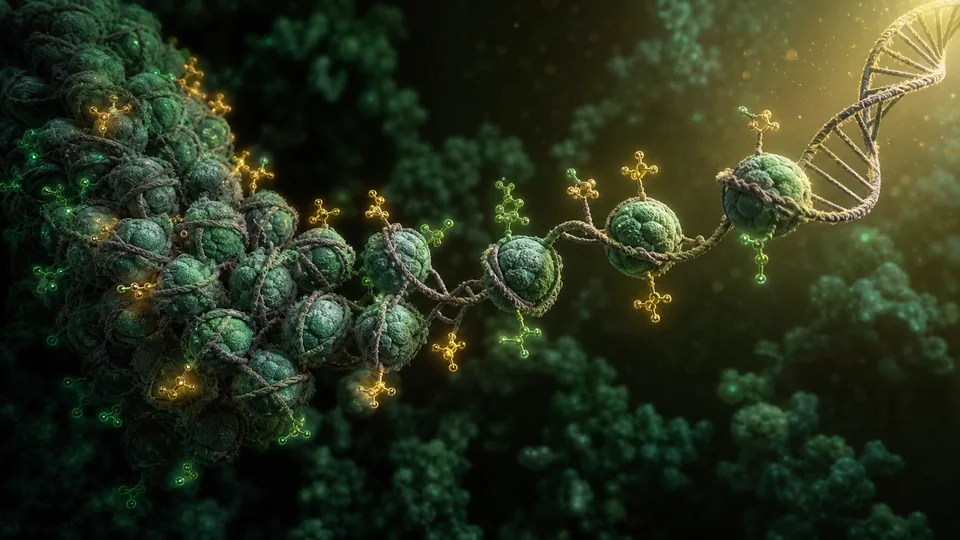
Heritable or persistent control of gene activity mediated by chromatin state without changing DNA sequence.
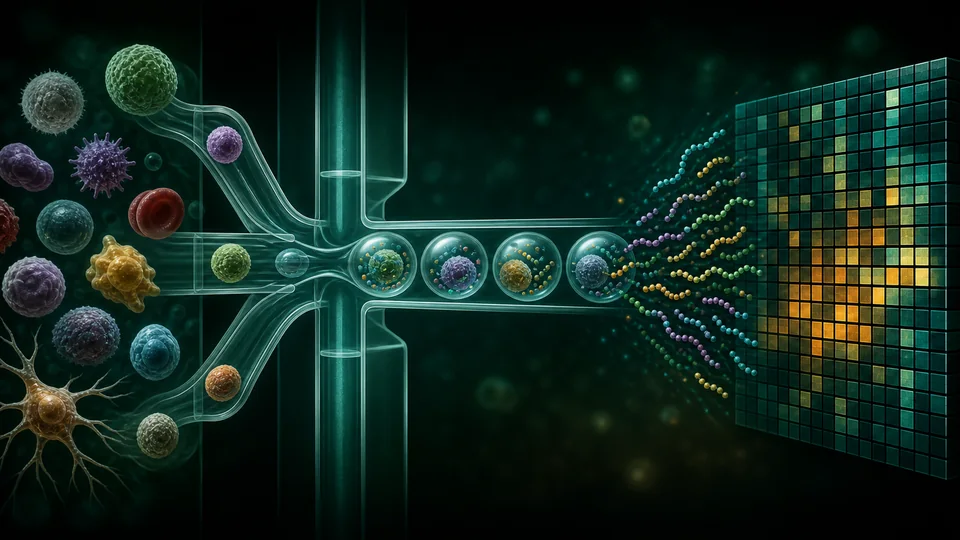
Methods that measure transcript abundance in individual cells to resolve heterogeneous biological populations.
Quantum materials with an insulating bulk and robust conducting states at their surfaces or edges.
The controlled release of nuclear binding energy by combining light nuclei under extreme temperature and confinement.
Methods for identifying and characterising planets orbiting stars beyond the Solar System.
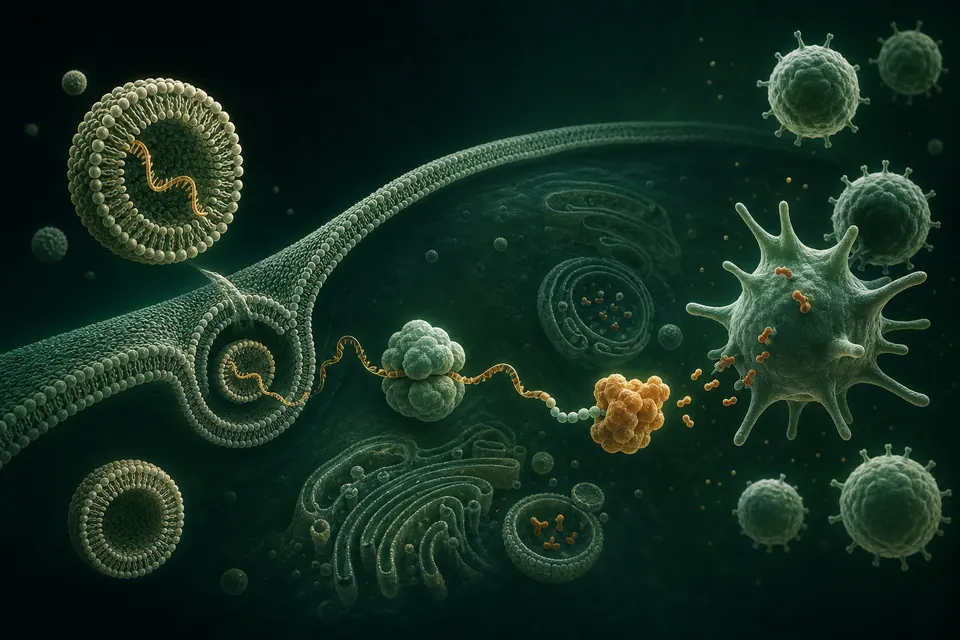
Vaccines that deliver temporary genetic instructions so cells produce an antigen and train adaptive immunity.
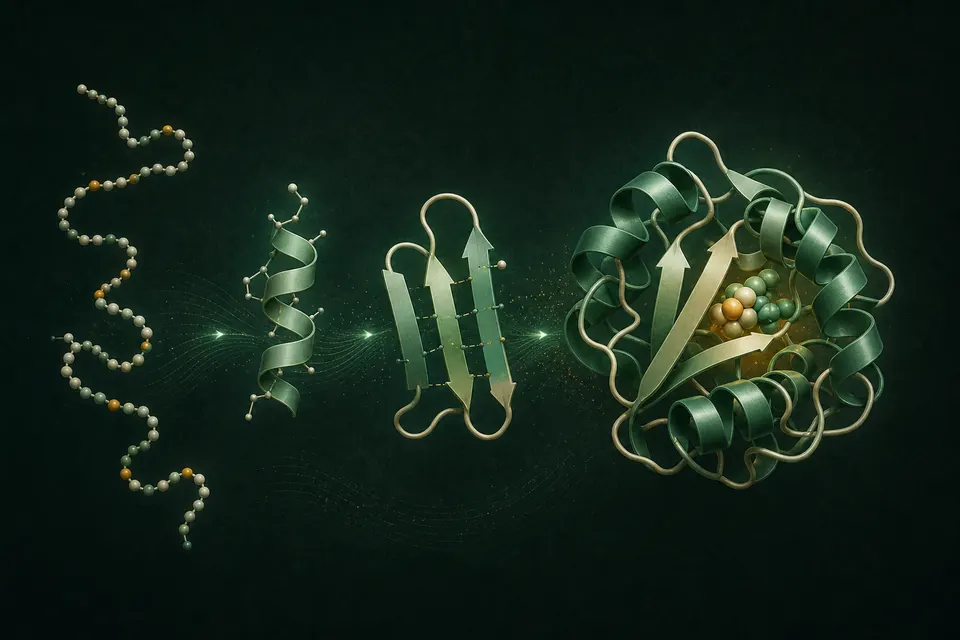
The process by which an amino-acid chain acquires the three-dimensional structure needed for biological function.
A name for the unseen gravitating component inferred from galaxies, clusters and the large-scale structure of the universe.