Digital Twins
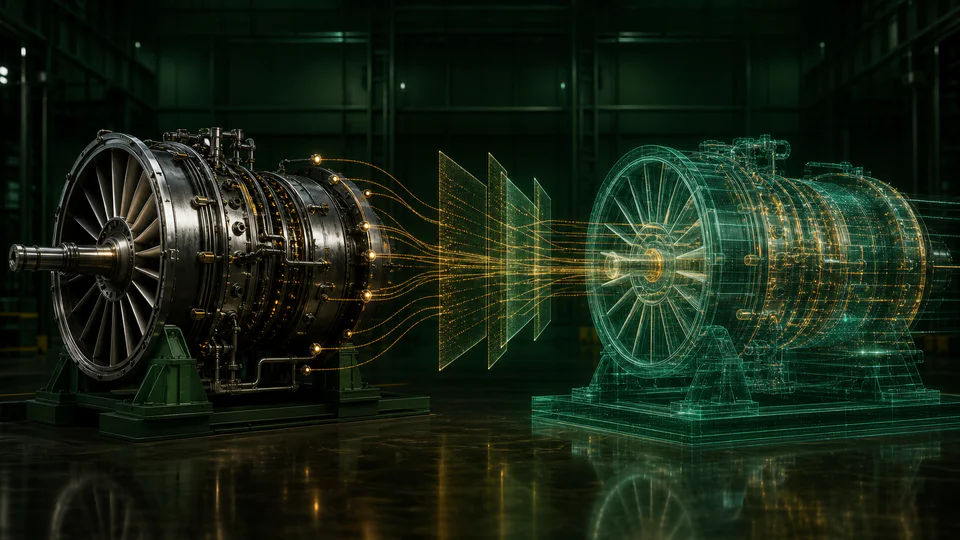
Continuously updated computational representations of physical assets or processes used to estimate state, test scenarios and guide decisions.
SCIENDIA Knowledge Desk
Read article
A living academic reference written, refined and transparently versioned by the Sciendia community.
Collaborative knowledgeSearch
16 results
Wiki pages are public to read. Every signed-in member can create and improve them.
Clear searchContinuously updated computational representations of physical assets or processes used to estimate state, test scenarios and guide decisions.
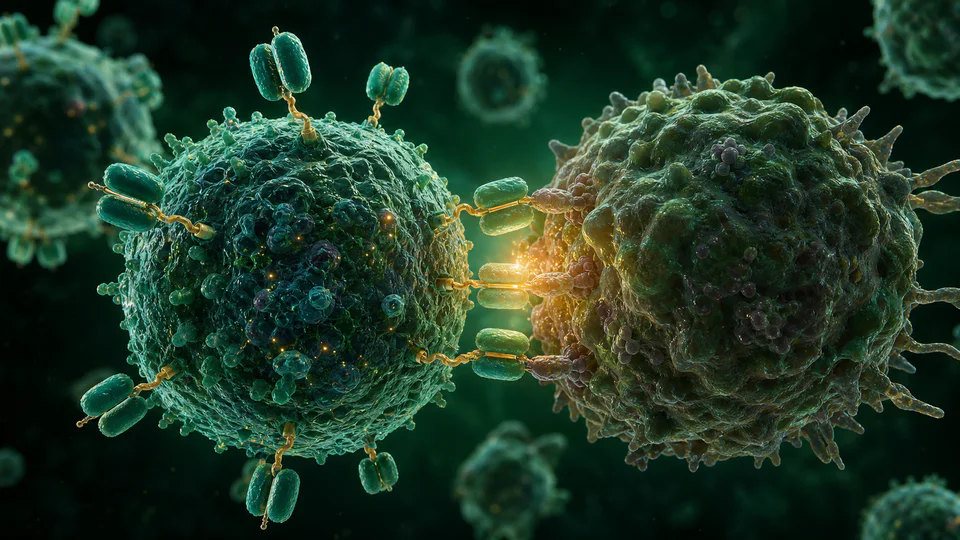
Cell therapy in which a patient's or donor's T cells are engineered with a synthetic receptor that recognises a selected disease antigen.
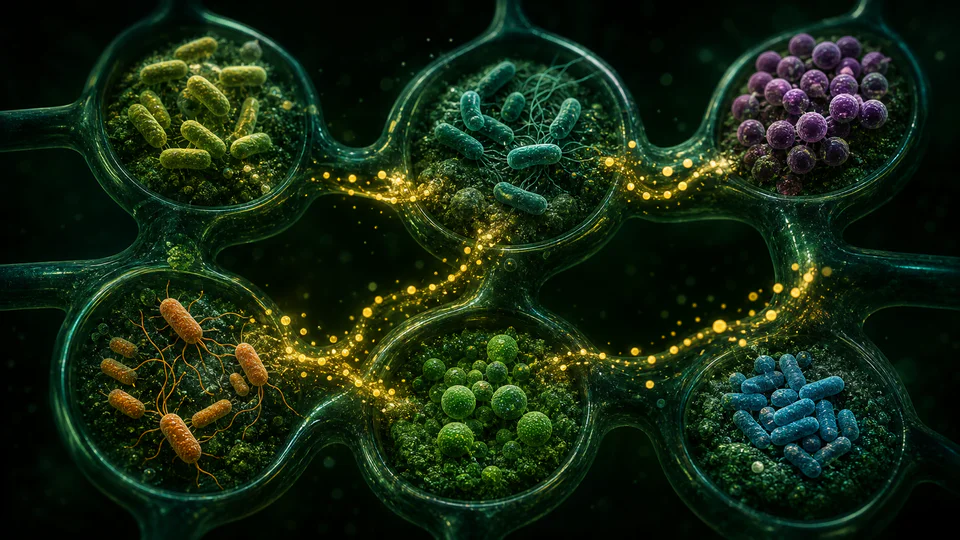
Designed groups of microbial species used to study and engineer ecological interactions with controlled membership and function.
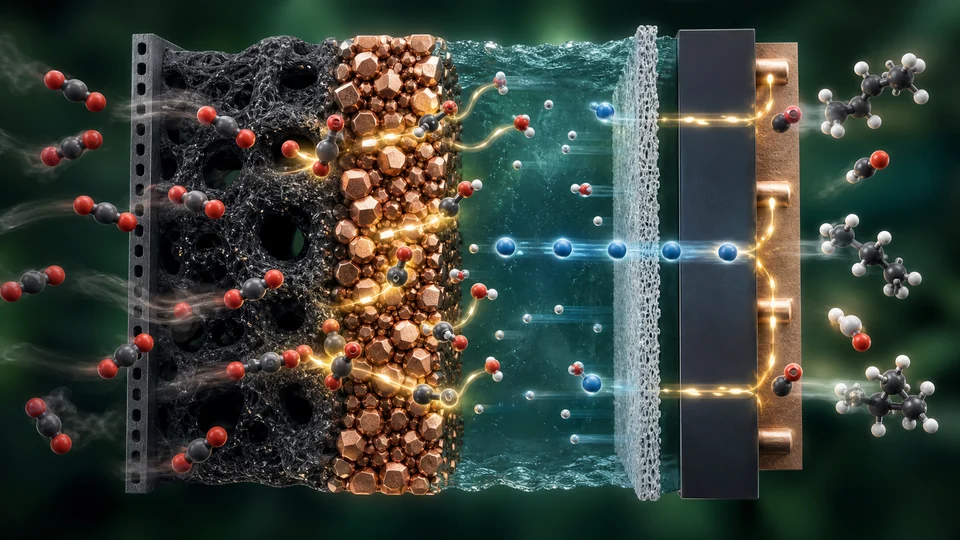
The use of electricity, catalysts and electrochemical interfaces to convert carbon dioxide into chemical products.
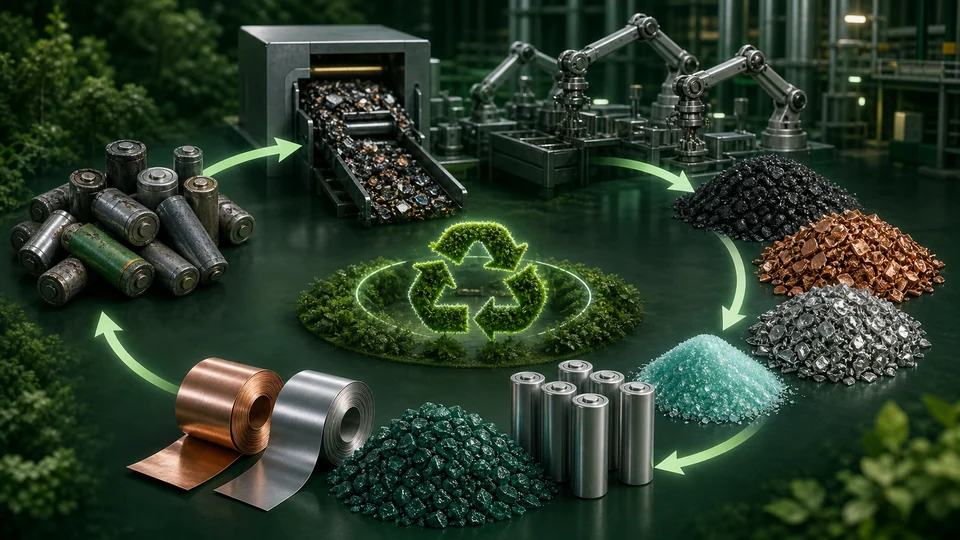
Processes that recover materials and functional components from spent batteries for safe treatment and renewed production.
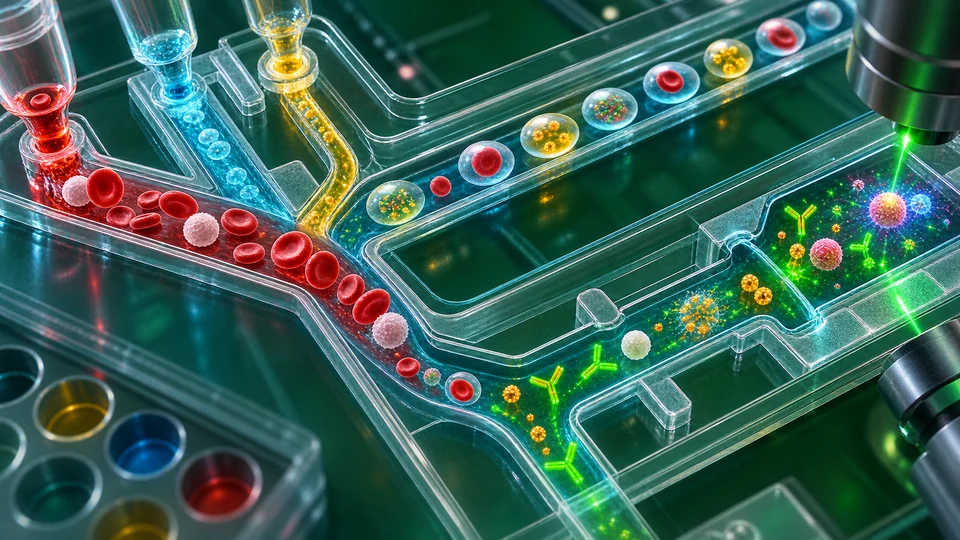
The control of very small fluid volumes in engineered channels for analysis, synthesis and biological experimentation.
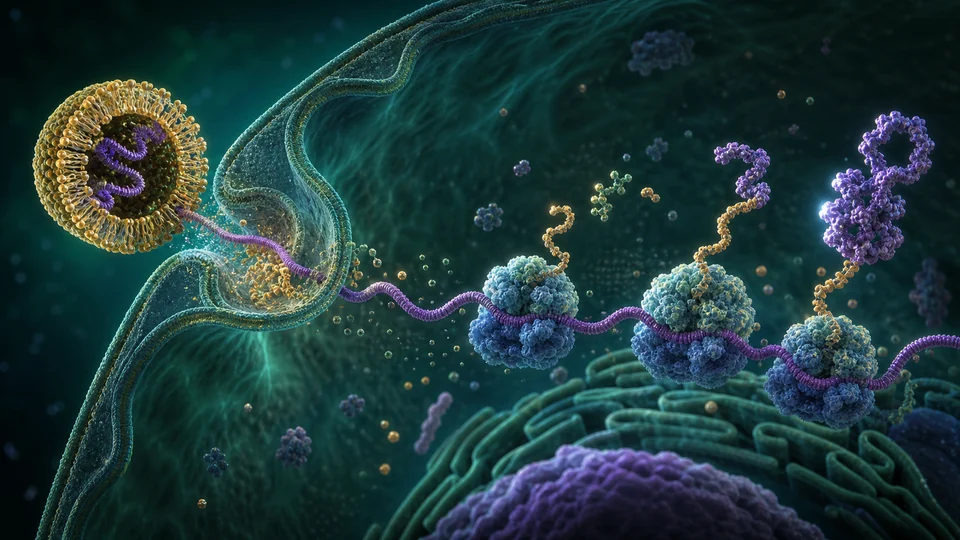
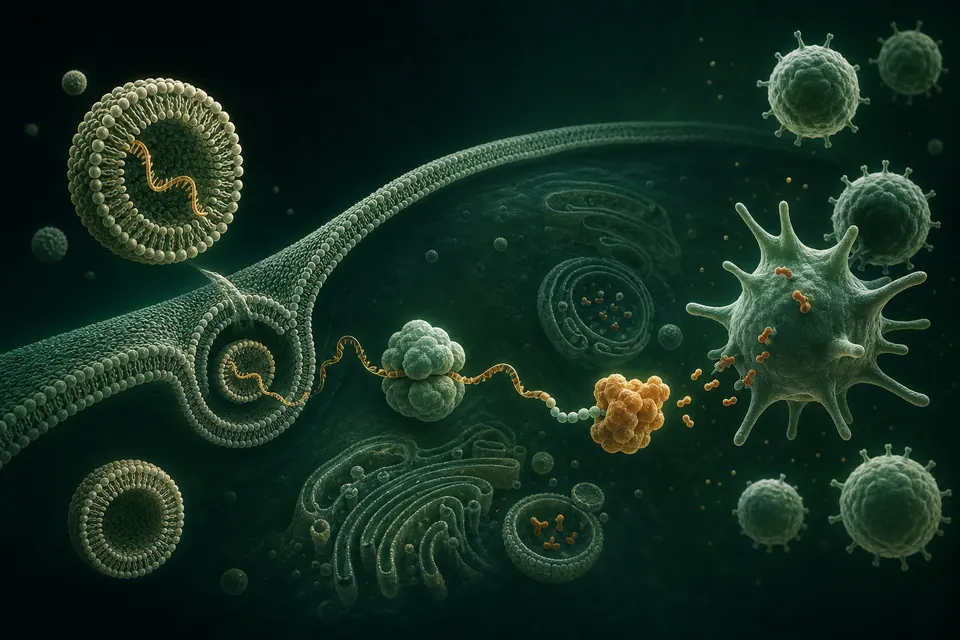
Medicines that deliver engineered messenger RNA so cells transiently produce a therapeutic protein or antigen.
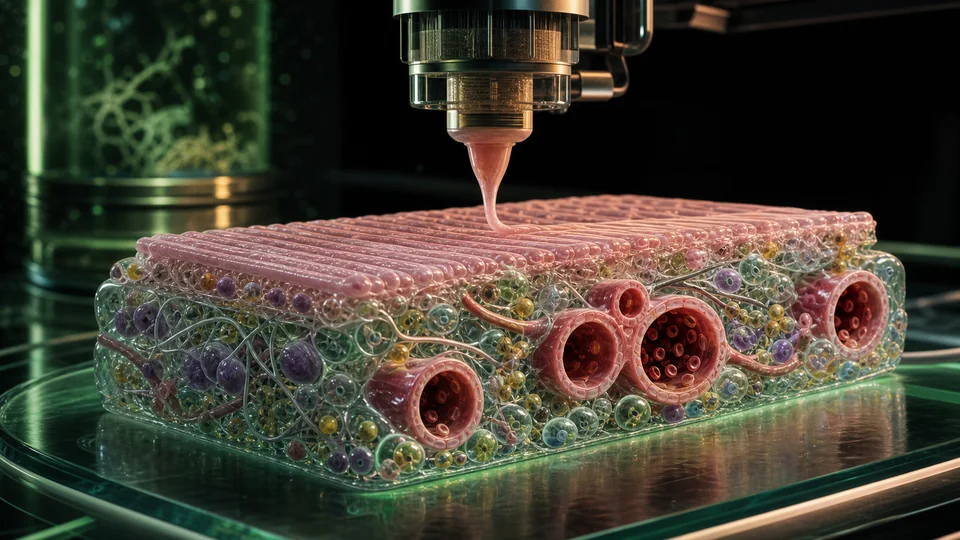
Layer-by-layer fabrication of living tissue constructs using cells, biomaterials and spatially controlled deposition.
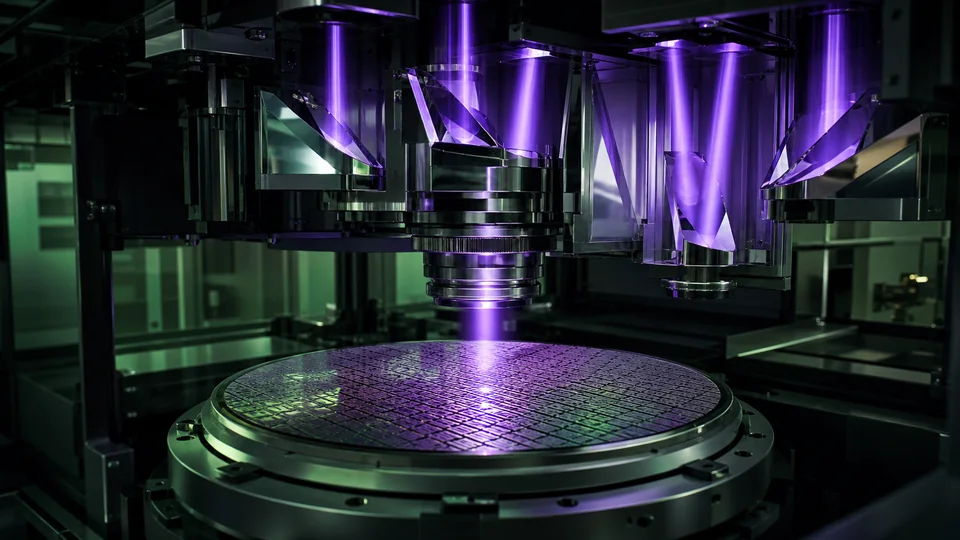
The pattern-transfer processes used to define nanoscale electronic structures repeatedly across semiconductor wafers.
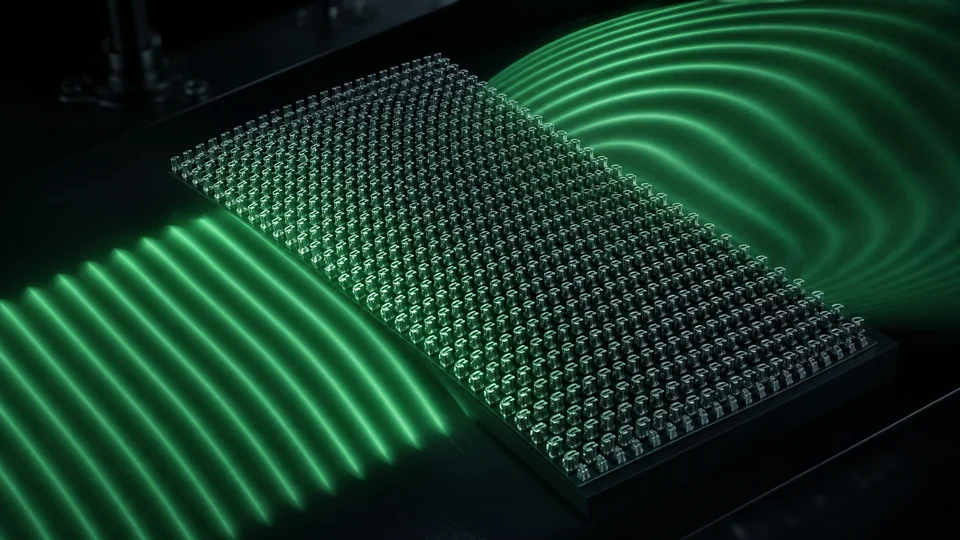
Engineered structures whose collective wave response is governed primarily by subwavelength geometry rather than bulk composition alone.
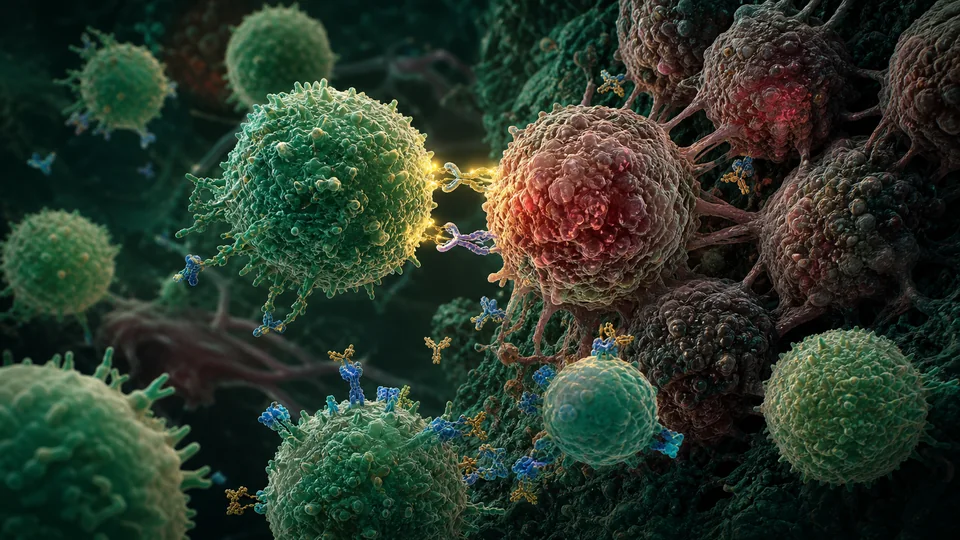
Treatments that redirect, strengthen or release immune responses to recognise and control malignant cells.
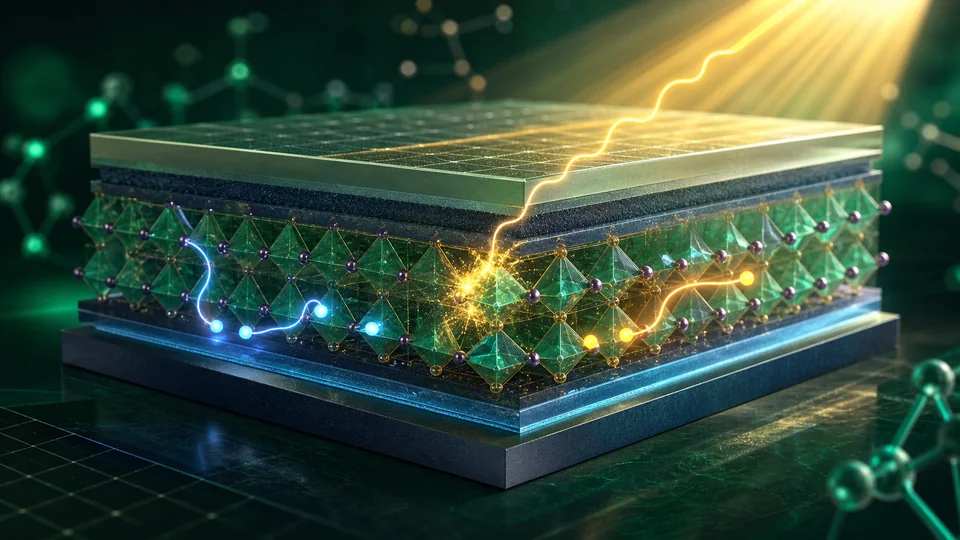
Thin-film photovoltaic devices built around halide-perovskite absorbers with tunable optoelectronic properties.
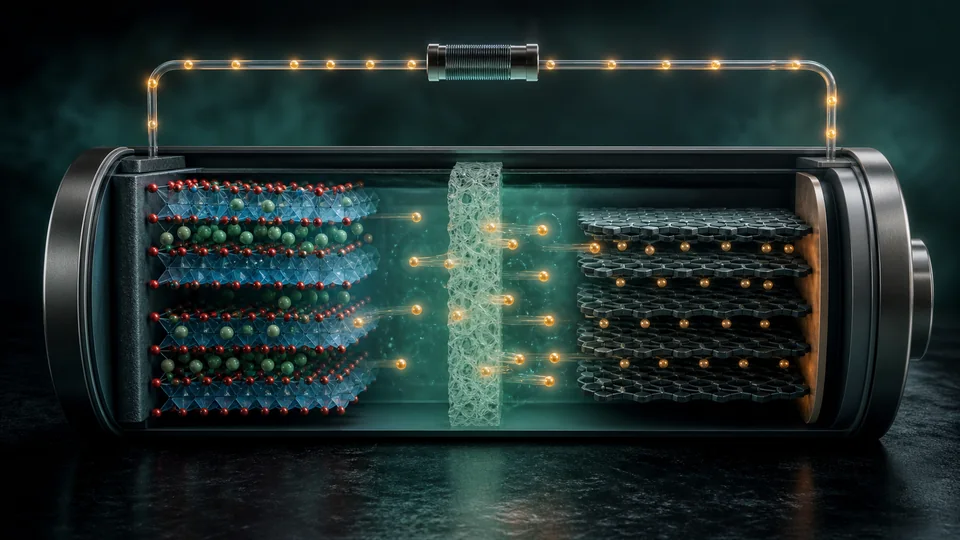
The coupled ion transport, electron transfer and materials transformations that store and release electrical energy in batteries.
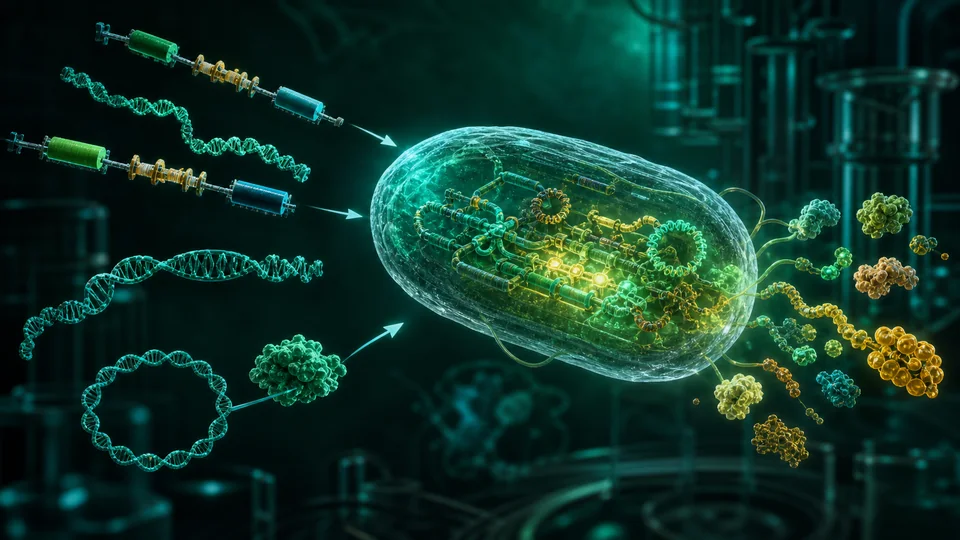
The design and construction of biological systems using engineering principles, quantitative models and molecular tools.
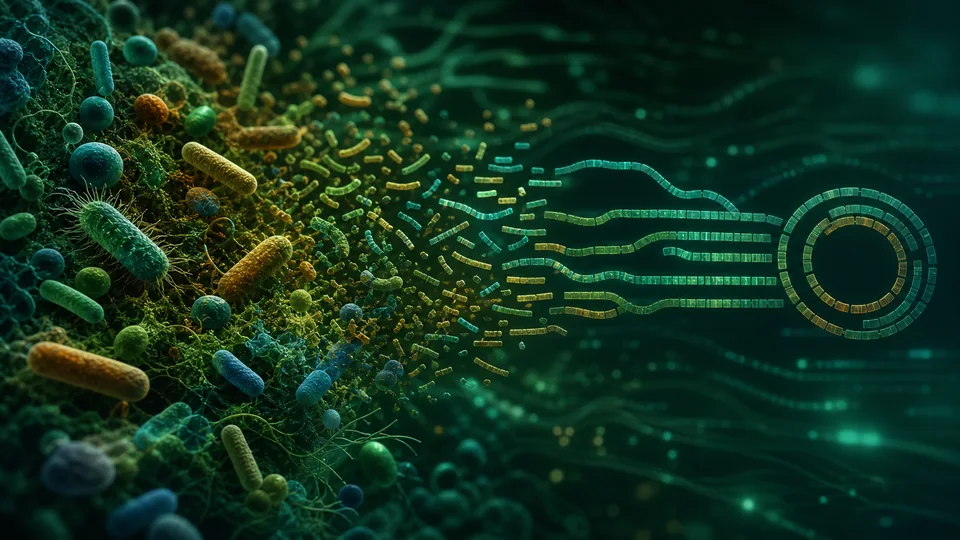
The culture-independent analysis of collective microbial genomes recovered from an environmental or host-associated sample.
Vaccines that deliver temporary genetic instructions so cells produce an antigen and train adaptive immunity.