Extreme Event Attribution
Quantitative analysis of how human-caused climate change altered the probability or intensity of a particular weather or climate extreme.
SCIENDIA Knowledge Desk
Read article
A living academic reference written, refined and transparently versioned by the Sciendia community.
Collaborative knowledgeSearch
20 results
Wiki pages are public to read. Every signed-in member can create and improve them.
Clear searchQuantitative analysis of how human-caused climate change altered the probability or intensity of a particular weather or climate extreme.
Continuously updated computational representations of physical assets or processes used to estimate state, test scenarios and guide decisions.
Systems that retrieve external evidence at query time and supply it to a generative language component before producing an answer.
Computing architectures that use brain-inspired event-driven neurons, synapses and memory-compute integration.
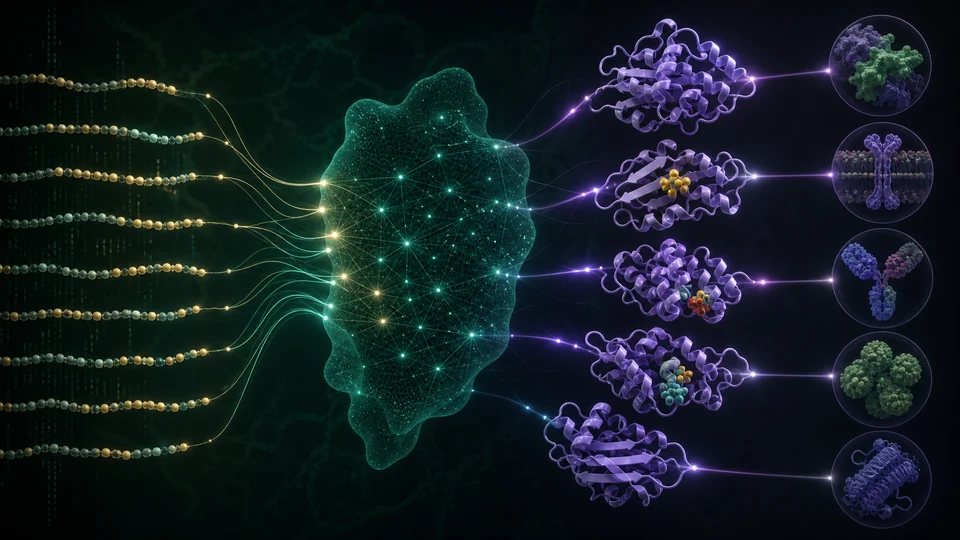
Machine-learning models that learn statistical representations of amino-acid sequences for prediction and molecular design.
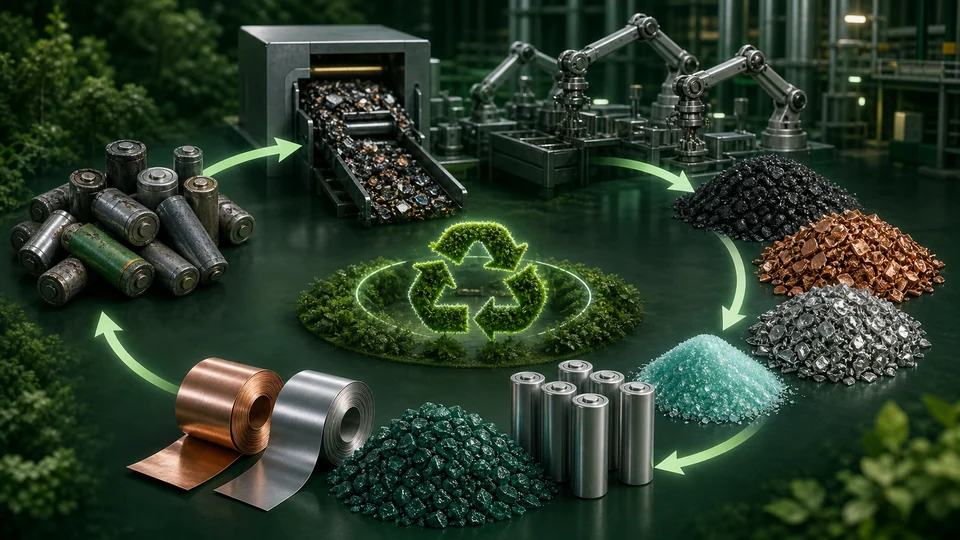
Processes that recover materials and functional components from spent batteries for safe treatment and renewed production.
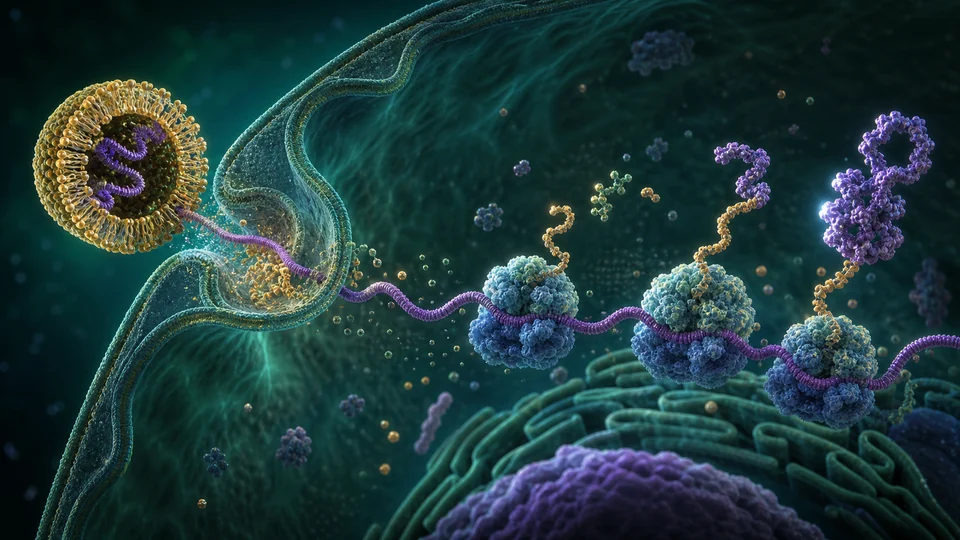
Medicines that deliver engineered messenger RNA so cells transiently produce a therapeutic protein or antigen.
Layer-by-layer fabrication of living tissue constructs using cells, biomaterials and spatially controlled deposition.
Machine learning for sequential decisions in which an agent improves behaviour from rewards generated through interaction.
A mathematical framework for transforming one distribution into another while minimising a defined movement cost.
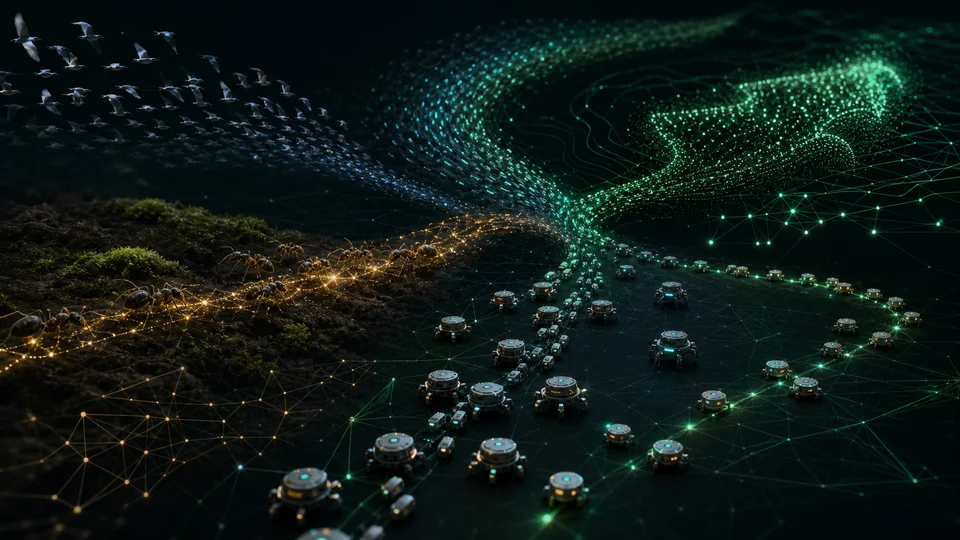
Collective problem-solving that emerges from local interactions among many comparatively simple autonomous agents.
Neural-network systems that model relationships among tokens using attention and parallel sequence processing.
Distributed machine learning that coordinates model training across data holders without centralising their raw records.
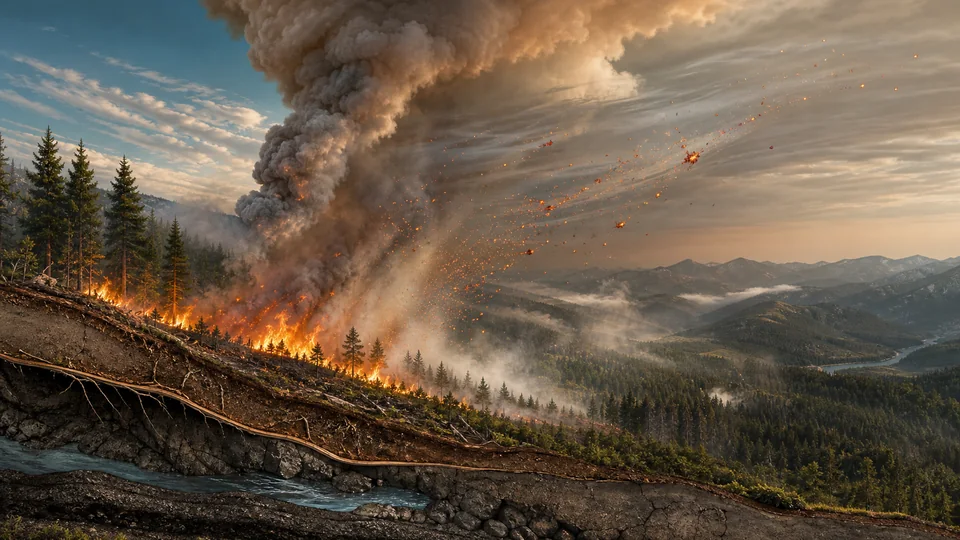
The coupled combustion, atmosphere, fuel and terrain processes that govern how landscape fires ignite and spread.
The algorithmic creation of amino-acid sequences expected to fold into structures with specified biochemical functions.
Statistical and experimental frameworks for estimating how interventions change outcomes rather than merely describing associations.
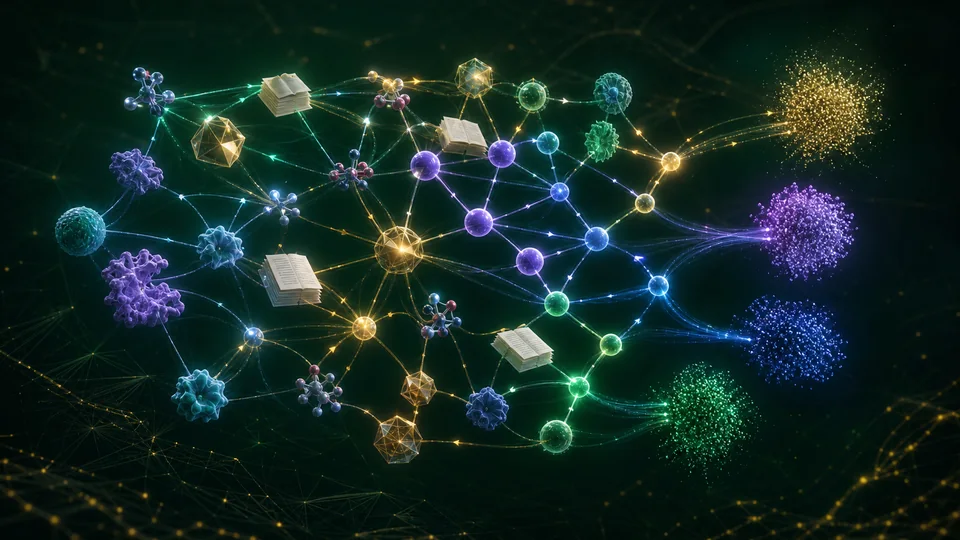
Machine-learning architectures that learn representations from entities connected by relational structure.
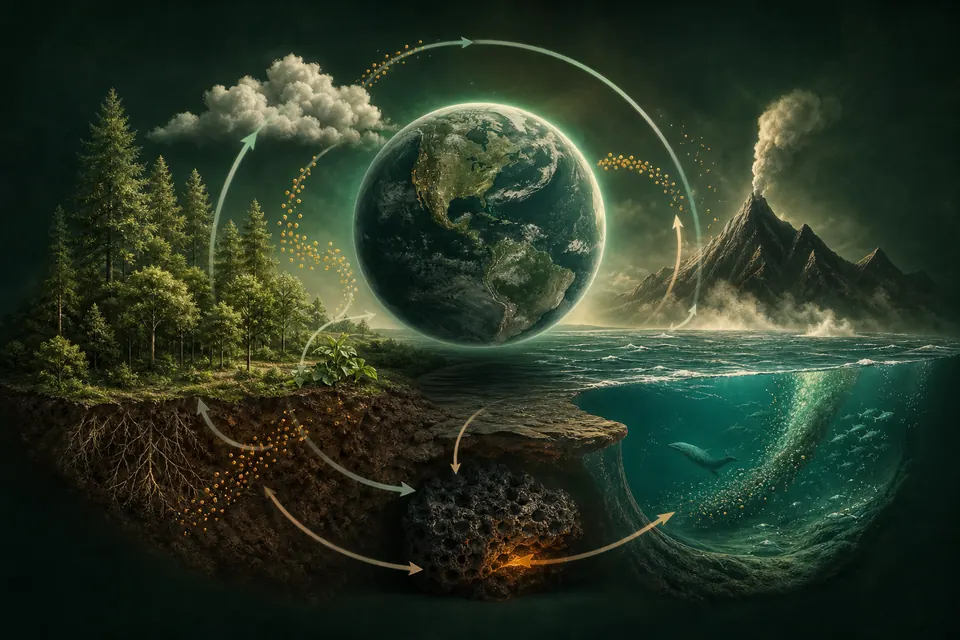
The movement of carbon among the atmosphere, oceans, living organisms, soils, rocks and Earth's interior.
How distributed participants agree on an ordered ledger despite delays, failures and conflicting proposals.
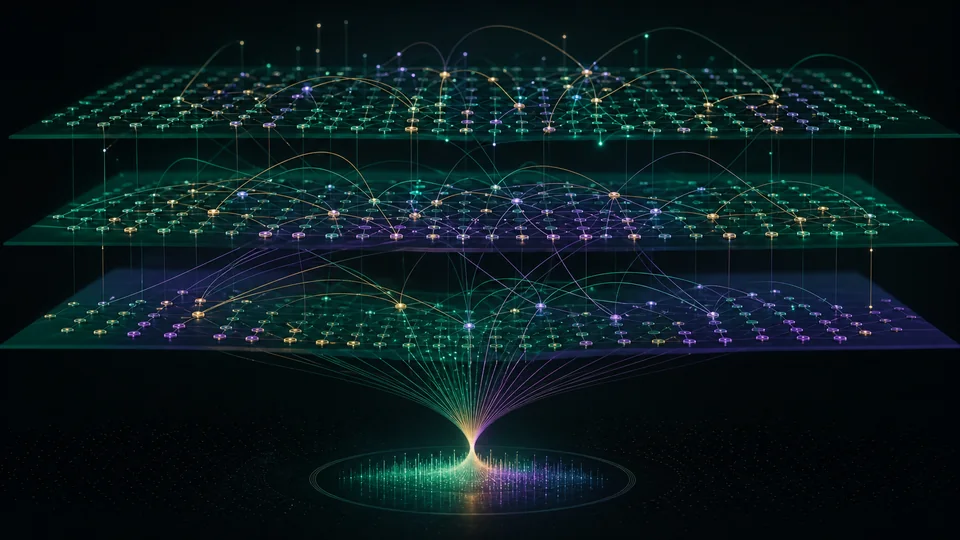
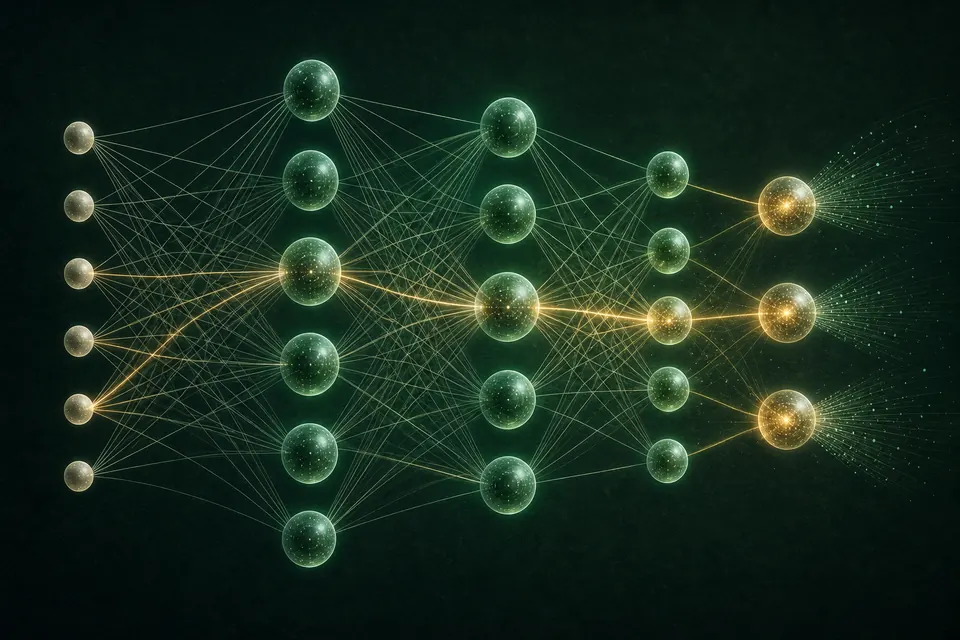
Layered computational models that learn distributed representations by adjusting weighted connections from data.