Chaos Theory
The study of deterministic nonlinear systems whose trajectories can become unpredictable through sensitive dependence on initial conditions.
SCIENDIA Knowledge Desk
Read article
A living academic reference written, refined and transparently versioned by the Sciendia community.
Collaborative knowledgeSearch
100 results Page 3/5
Wiki pages are public to read. Every signed-in member can create and improve them.
The study of deterministic nonlinear systems whose trajectories can become unpredictable through sensitive dependence on initial conditions.
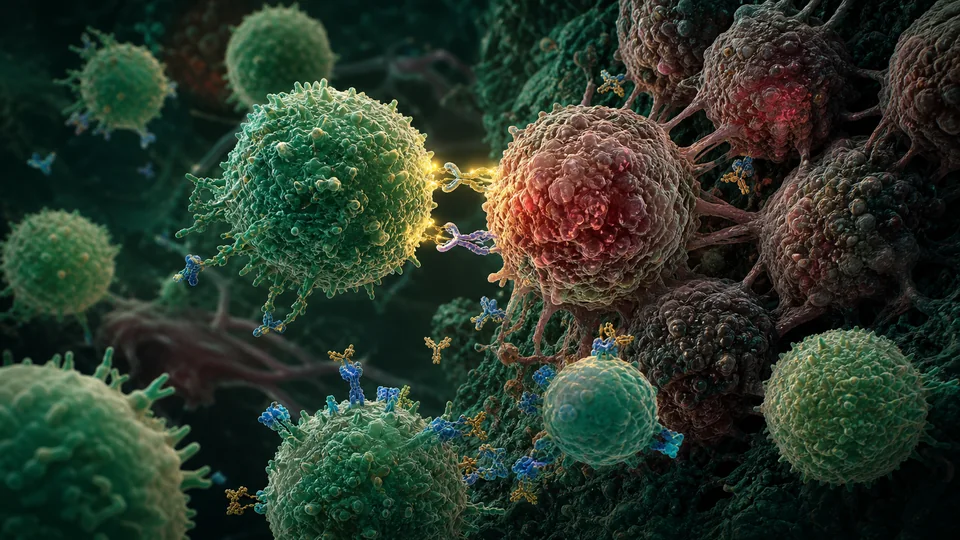
Treatments that redirect, strengthen or release immune responses to recognise and control malignant cells.
The deformation, sliding and mass exchange that govern how land ice flows from accumulation zones toward its margins.
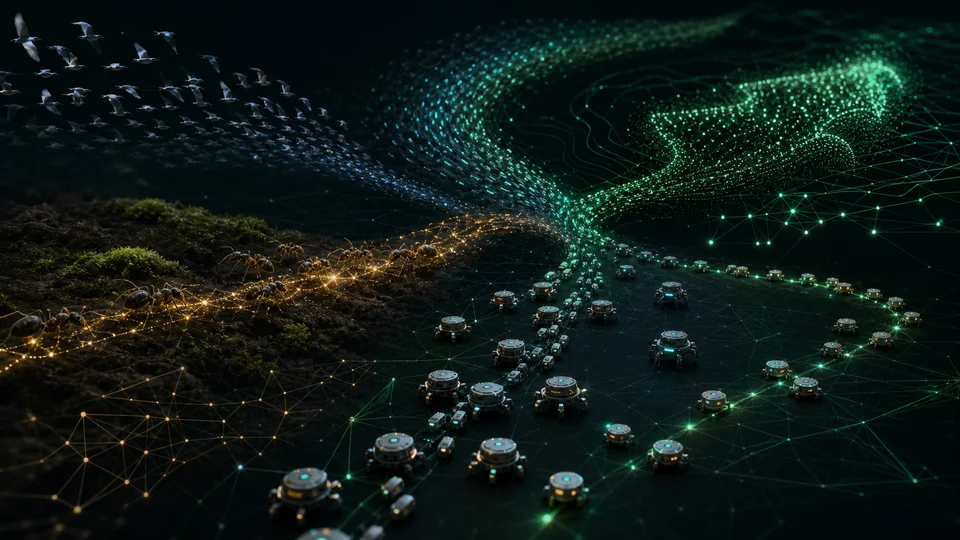
Collective problem-solving that emerges from local interactions among many comparatively simple autonomous agents.
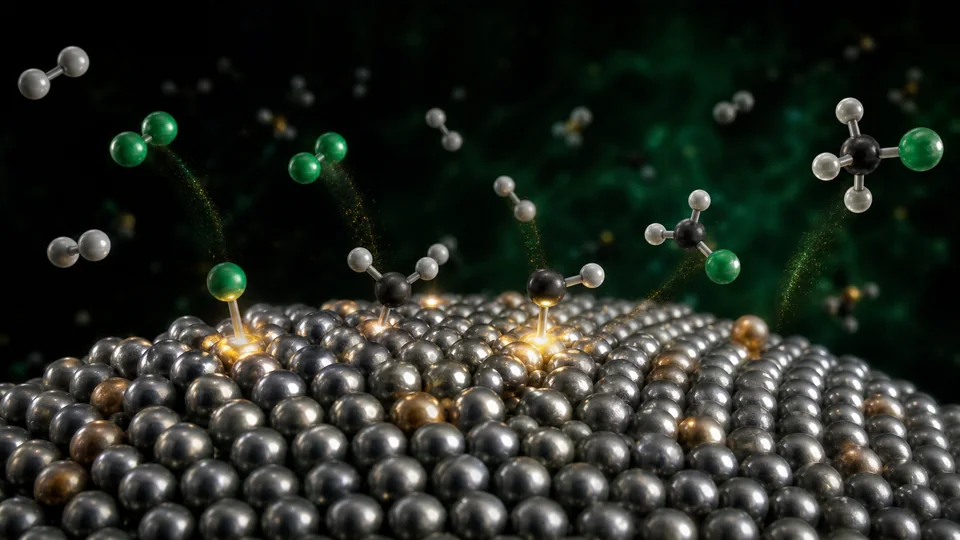
Chemical acceleration at an interface where reactants and catalyst occupy different physical phases.
The name given to the component or gravitational effect associated with the accelerating expansion of the universe.
The capacity of reef ecosystems to resist disturbance, recover structure and retain ecological function under environmental change.
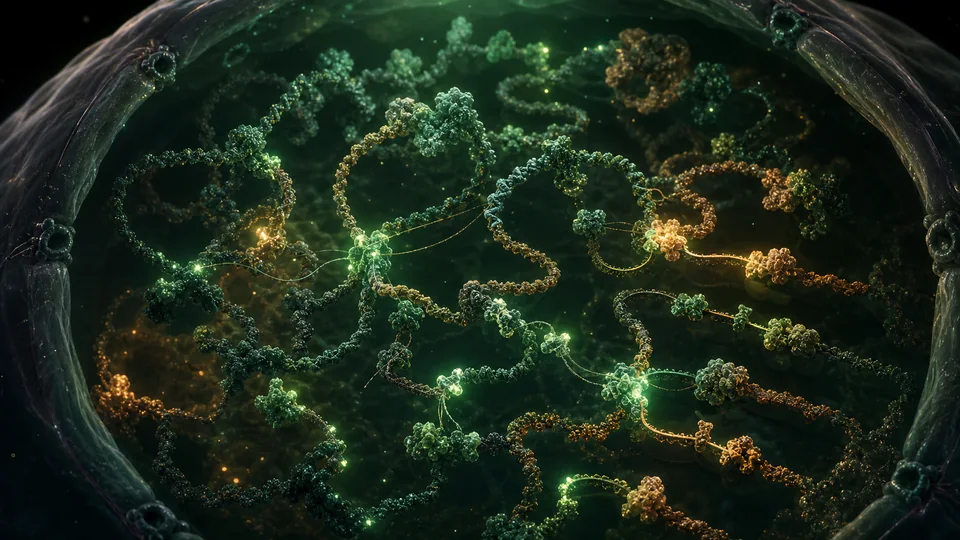
Interacting genes, regulatory DNA and molecular factors that control when and where biological programmes are expressed.
Neural-network systems that model relationships among tokens using attention and parallel sequence processing.
A collective quantum state in which electrical resistance vanishes and magnetic response changes below critical conditions.
The molecular decoding of messenger RNA into an ordered amino-acid chain by ribosomes and transfer RNAs.
The quantum-mechanical transformation of neutrinos among electron, muon and tau flavours during propagation.
Three-dimensional, self-organising cell cultures that reproduce selected structural and functional features of organs.
Distributed machine learning that coordinates model training across data holders without centralising their raw records.
The deflection and magnification of light by curved spacetime around intervening mass distributions.
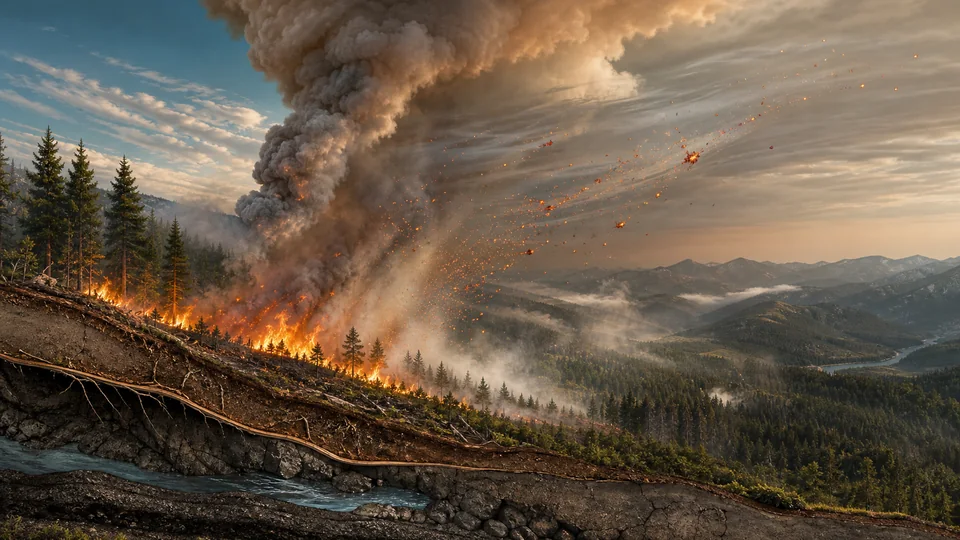
The coupled combustion, atmosphere, fuel and terrain processes that govern how landscape fires ignite and spread.
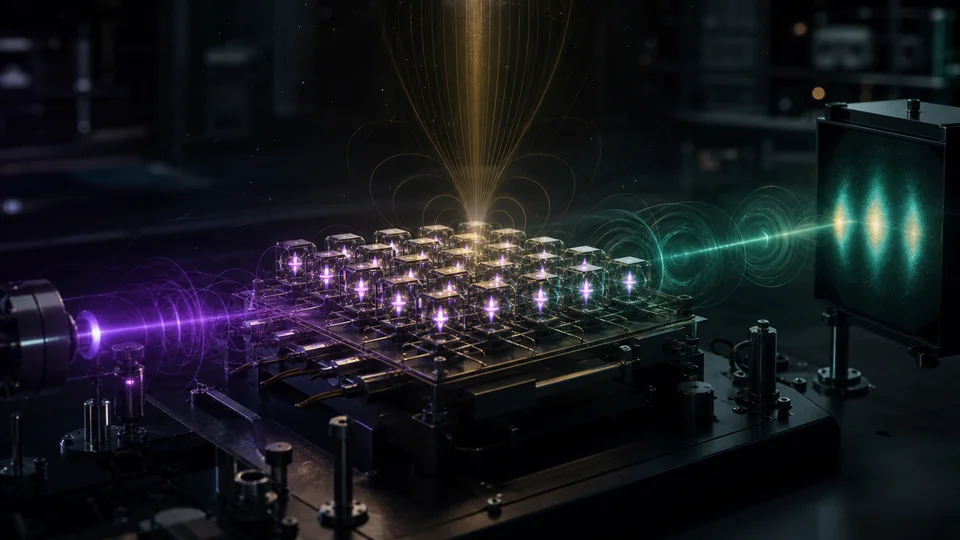
Precision measurement techniques that exploit controlled quantum states to detect fields, time, motion and material properties.
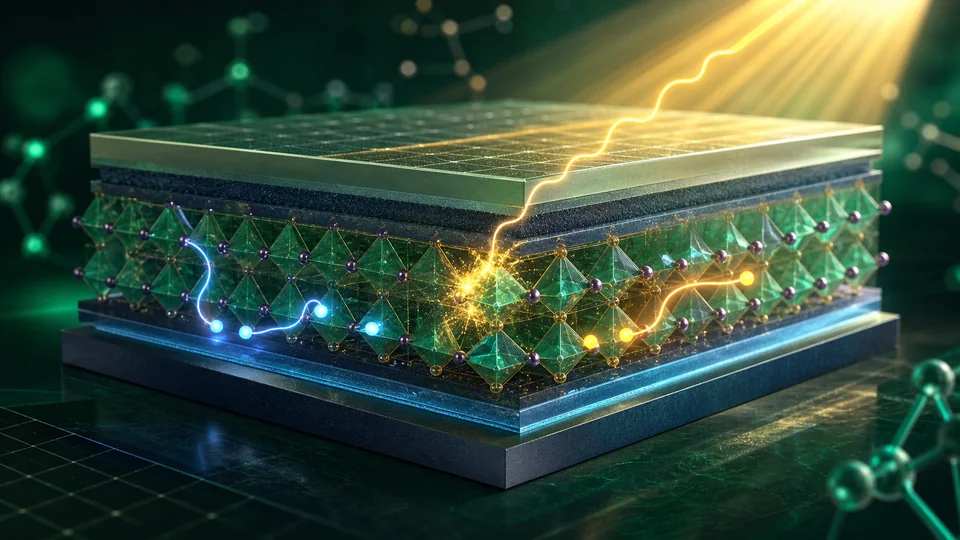
Thin-film photovoltaic devices built around halide-perovskite absorbers with tunable optoelectronic properties.
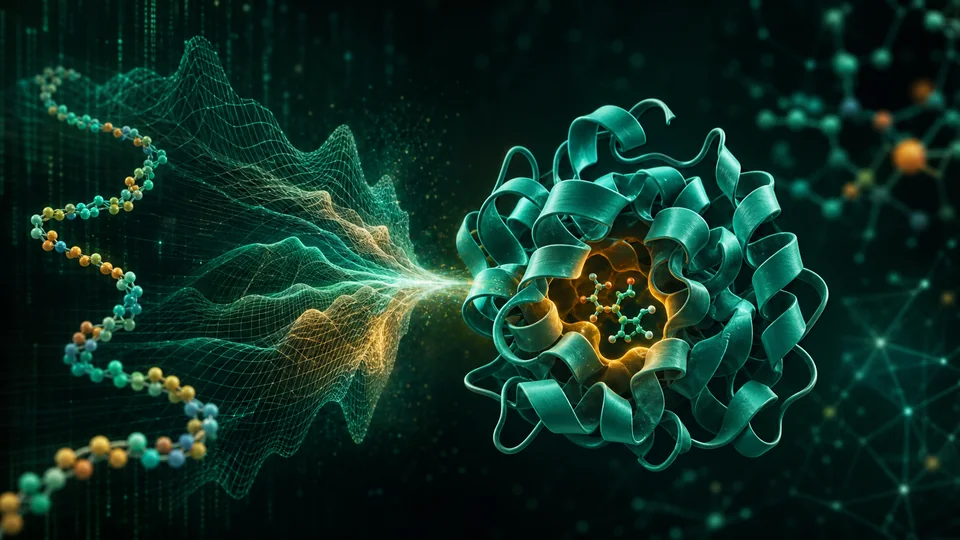
The algorithmic creation of amino-acid sequences expected to fold into structures with specified biochemical functions.
Statistical and experimental frameworks for estimating how interventions change outcomes rather than merely describing associations.
The coupled ion transport, electron transfer and materials transformations that store and release electrical energy in batteries.
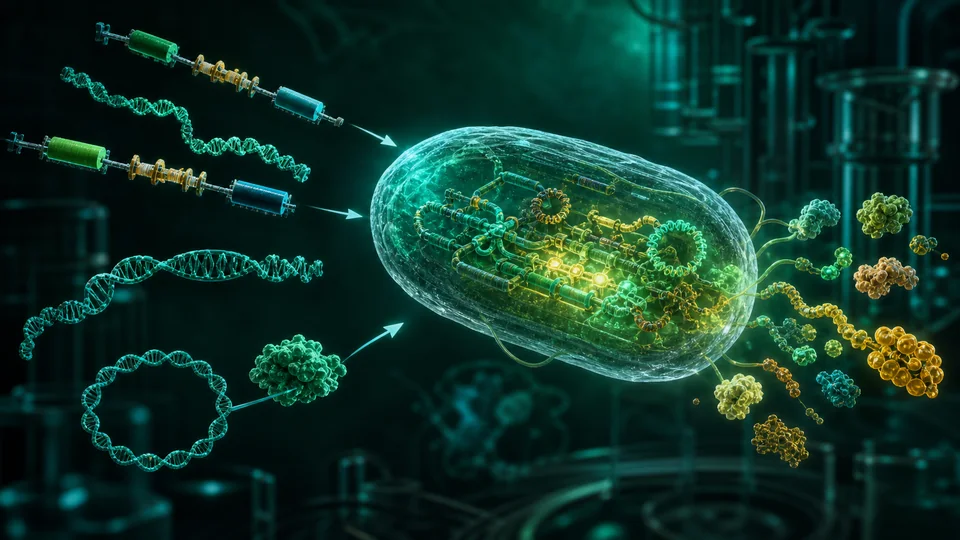
The design and construction of biological systems using engineering principles, quantitative models and molecular tools.
Cryptographic methods that permit selected computations on encrypted data without first revealing the plaintext.
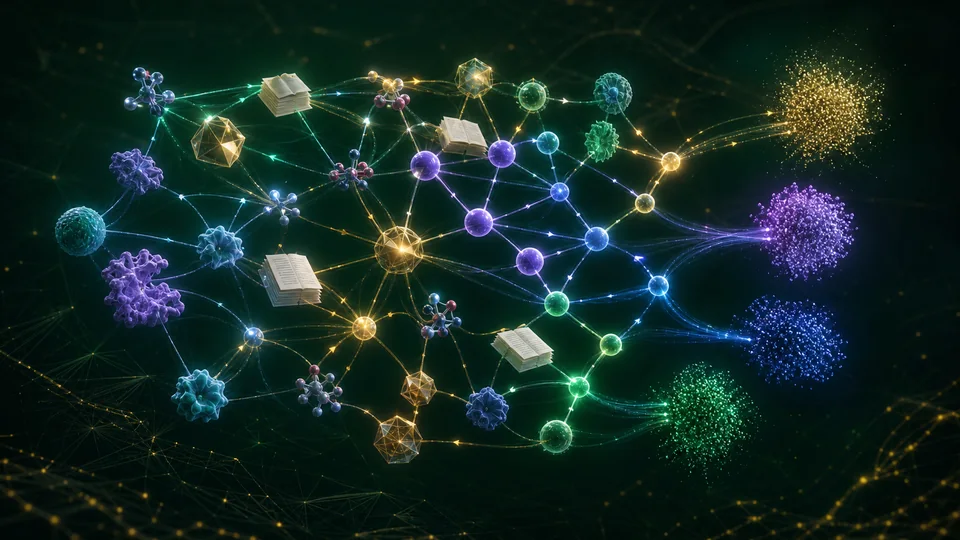
Machine-learning architectures that learn representations from entities connected by relational structure.