Blue Carbon Ecosystems
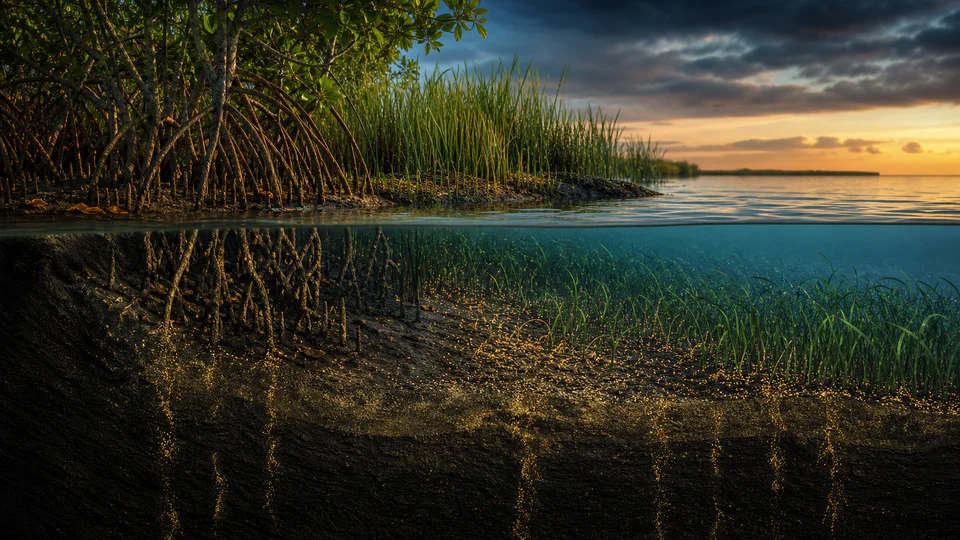
Coastal vegetated habitats such as mangroves, salt marshes and seagrass meadows that capture and store substantial carbon in biomass and sediments.
SCIENDIA Knowledge Desk
Read article
A living academic reference written, refined and transparently versioned by the Sciendia community.
Collaborative knowledgeSearch
16 results
Wiki pages are public to read. Every signed-in member can create and improve them.
Clear searchCoastal vegetated habitats such as mangroves, salt marshes and seagrass meadows that capture and store substantial carbon in biomass and sediments.
Continuously updated computational representations of physical assets or processes used to estimate state, test scenarios and guide decisions.
Experiments that test whether extremely light, weakly interacting axions or axion-like particles constitute the unseen matter in galaxies.
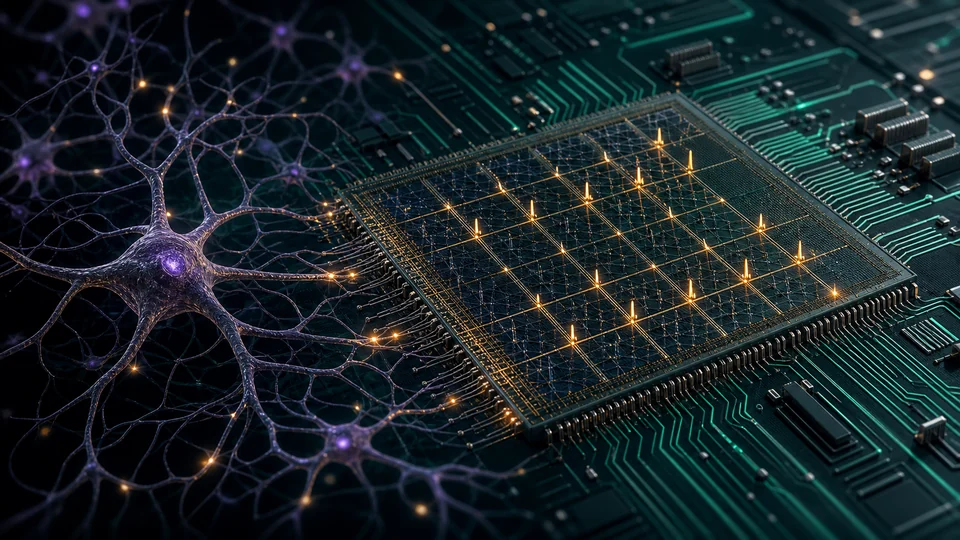
Computing architectures that use brain-inspired event-driven neurons, synapses and memory-compute integration.
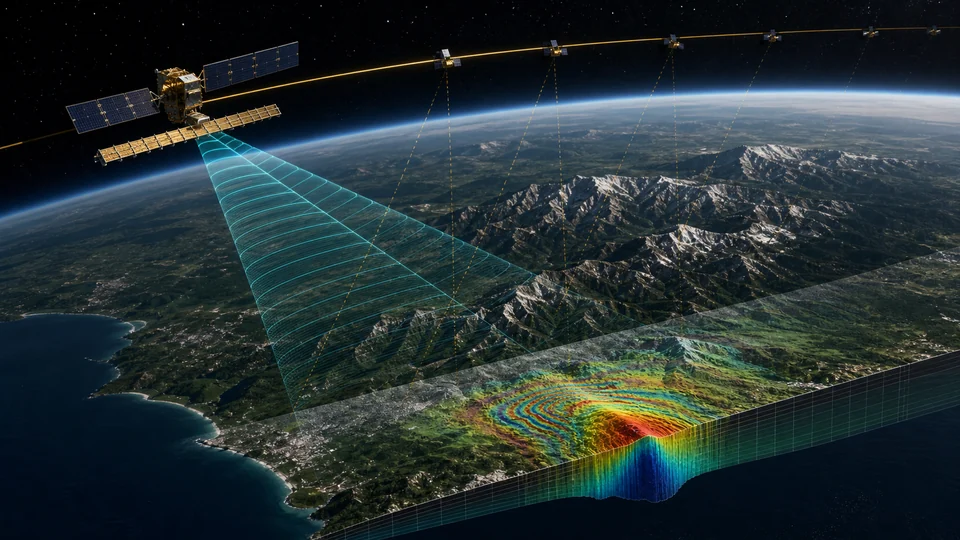
Active microwave imaging that combines echoes collected along a moving platform to achieve fine spatial resolution.
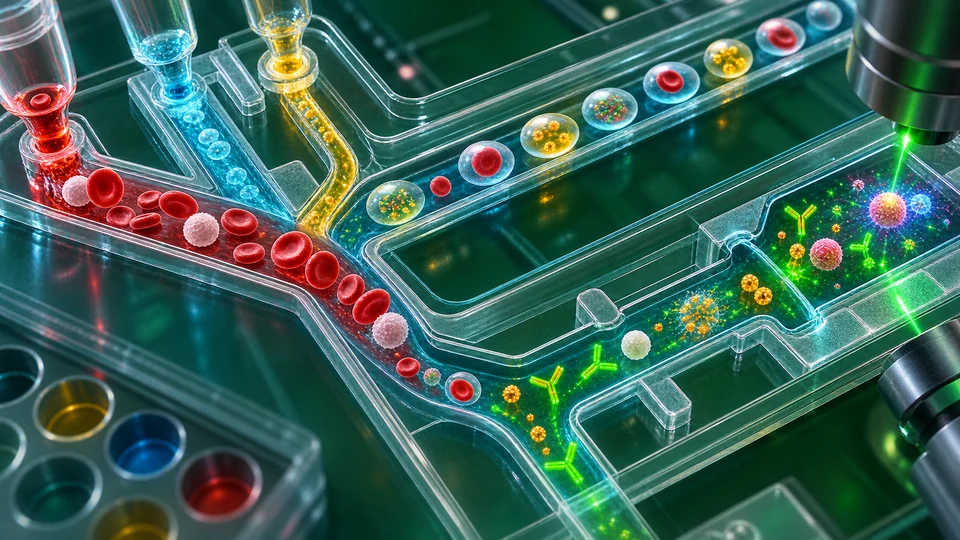
The control of very small fluid volumes in engineered channels for analysis, synthesis and biological experimentation.
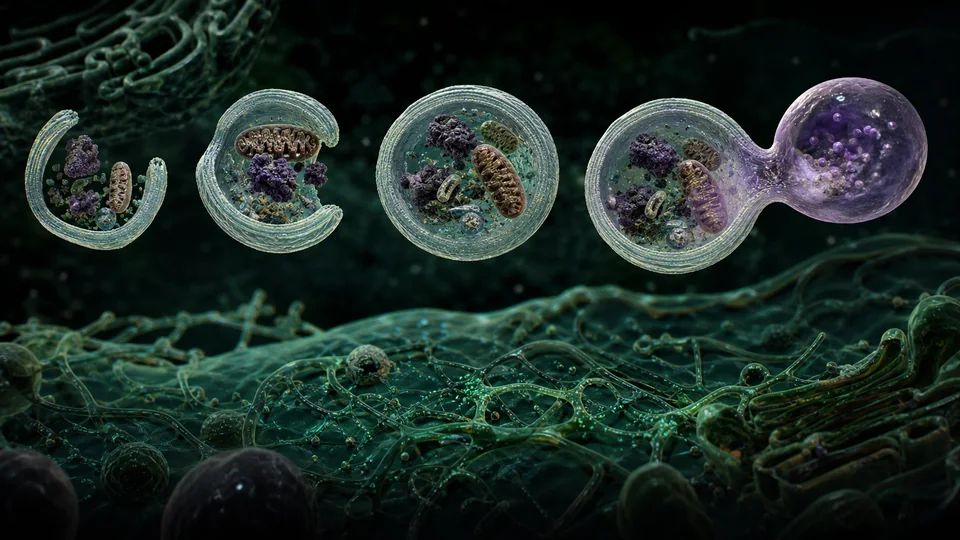
Cellular pathways that deliver cytoplasmic material to lysosomes or vacuoles for degradation, quality control and recycling.
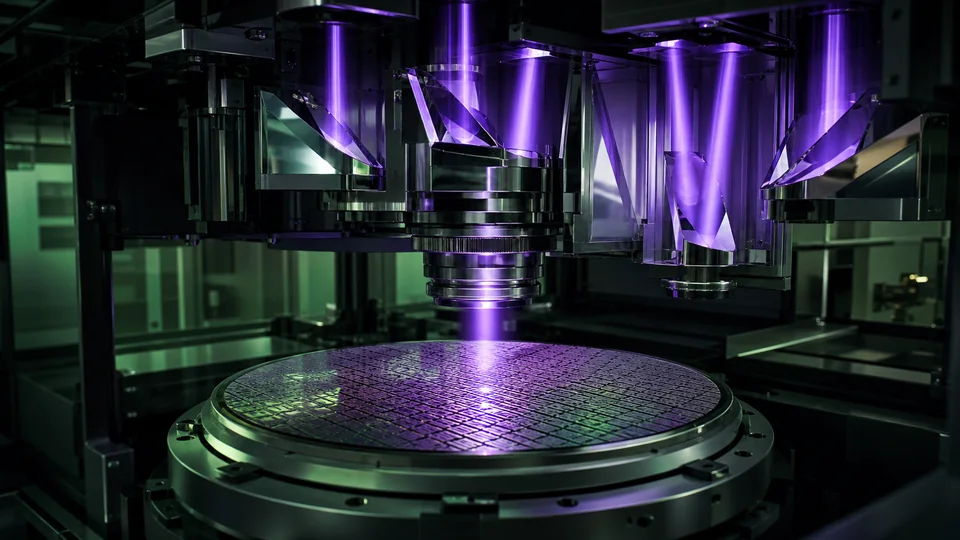
The pattern-transfer processes used to define nanoscale electronic structures repeatedly across semiconductor wafers.
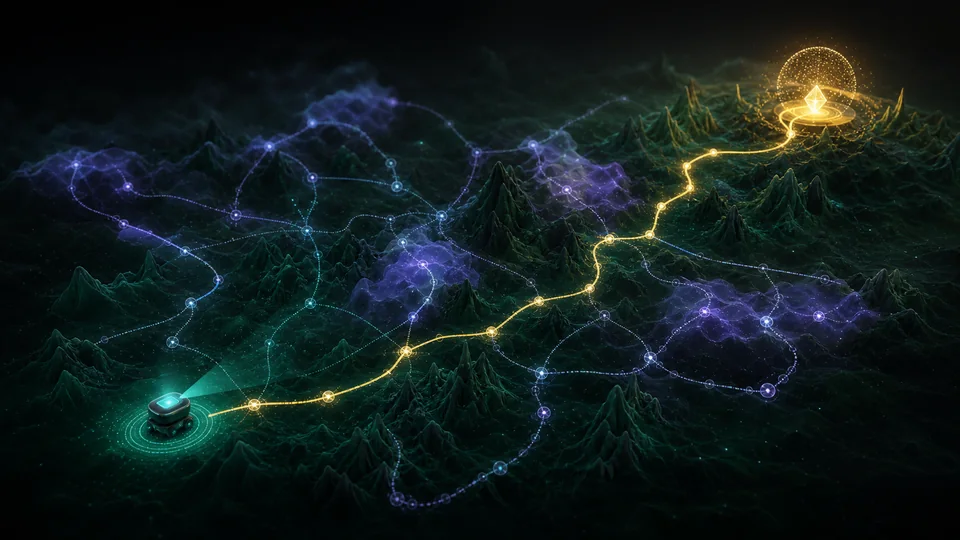
Machine learning for sequential decisions in which an agent improves behaviour from rewards generated through interaction.
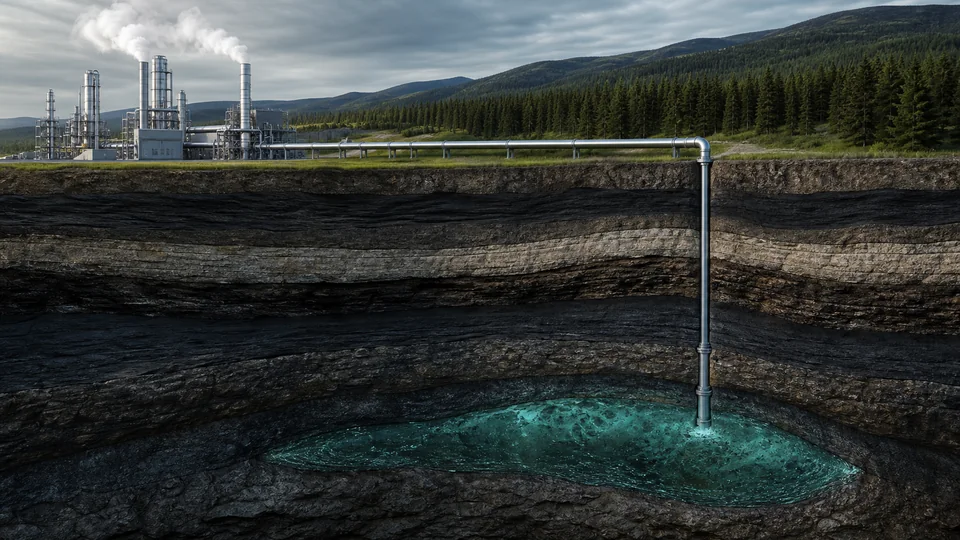
The separation of carbon dioxide from concentrated sources or air followed by transport and long-term geological containment.
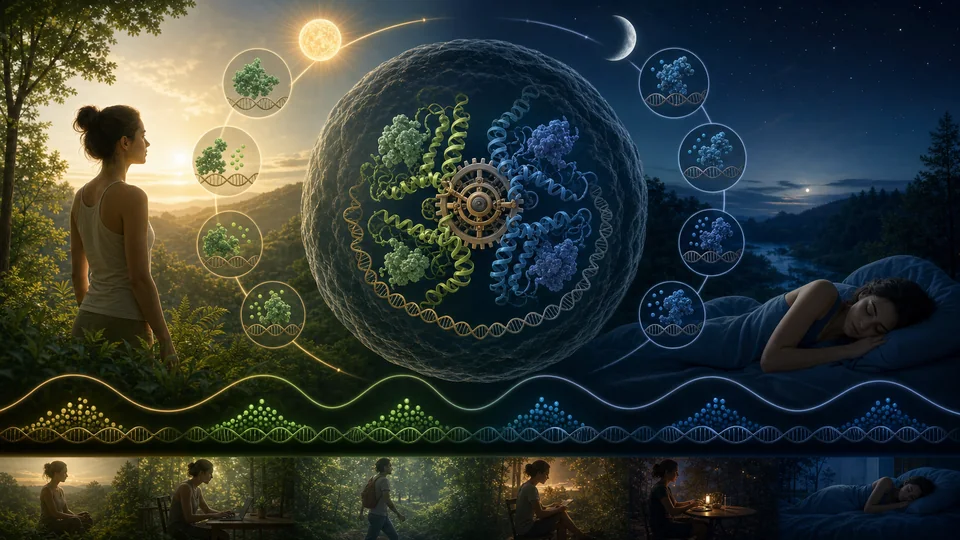
Endogenous biological cycles near twenty-four hours that coordinate physiology and behaviour with environmental time.
Precision measurement techniques that exploit controlled quantum states to detect fields, time, motion and material properties.
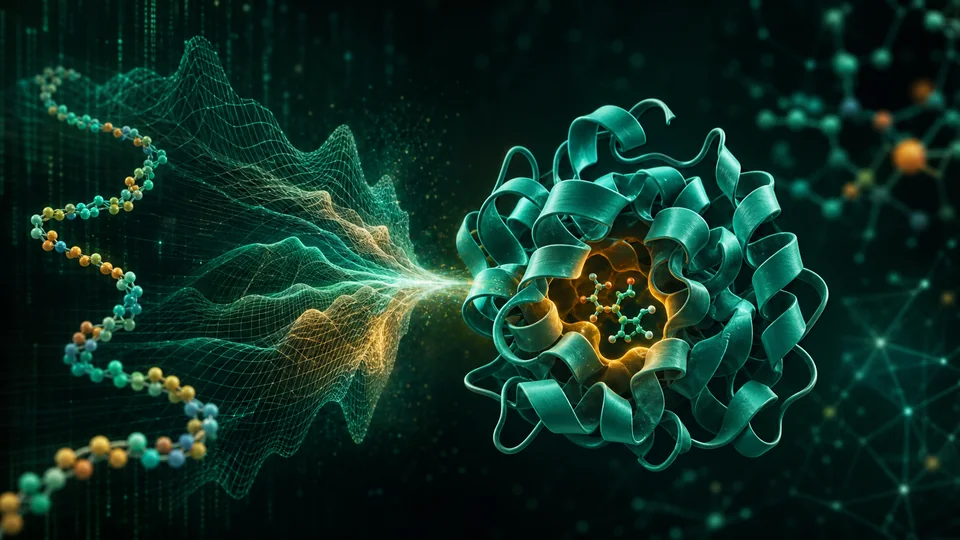
The algorithmic creation of amino-acid sequences expected to fold into structures with specified biochemical functions.
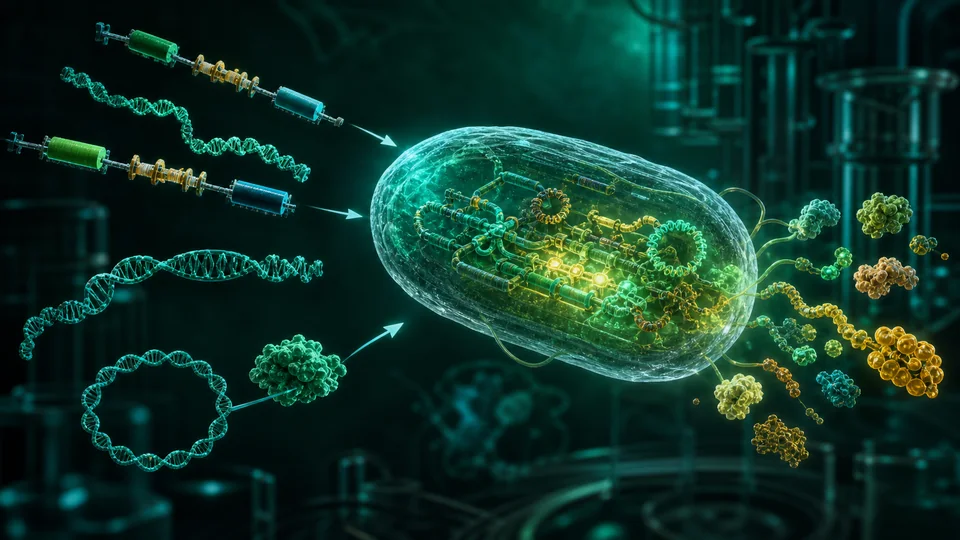
The design and construction of biological systems using engineering principles, quantitative models and molecular tools.
The controlled release of nuclear binding energy by combining light nuclei under extreme temperature and confinement.
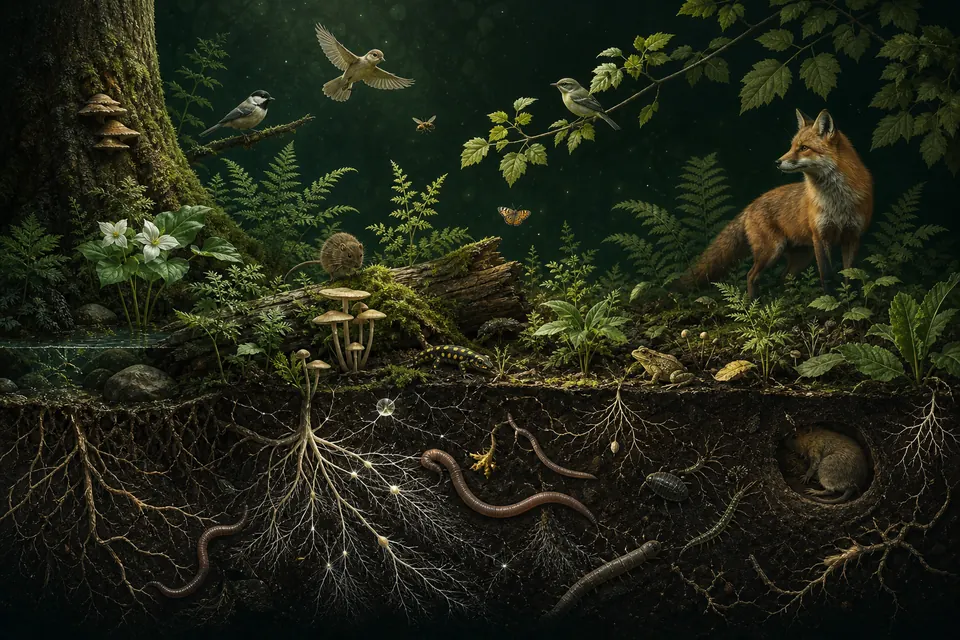
Variation within species, among species and across ecosystems, together with the interactions that sustain ecological function.