Stochastic Differential Equations
Differential equations that combine deterministic evolution with random forcing to represent systems influenced by continuous uncertainty.
SCIENDIA Knowledge Desk
Read article
A living academic reference written, refined and transparently versioned by the Sciendia community.
Collaborative knowledgeSearch
22 results
Wiki pages are public to read. Every signed-in member can create and improve them.
Clear searchDifferential equations that combine deterministic evolution with random forcing to represent systems influenced by continuous uncertainty.
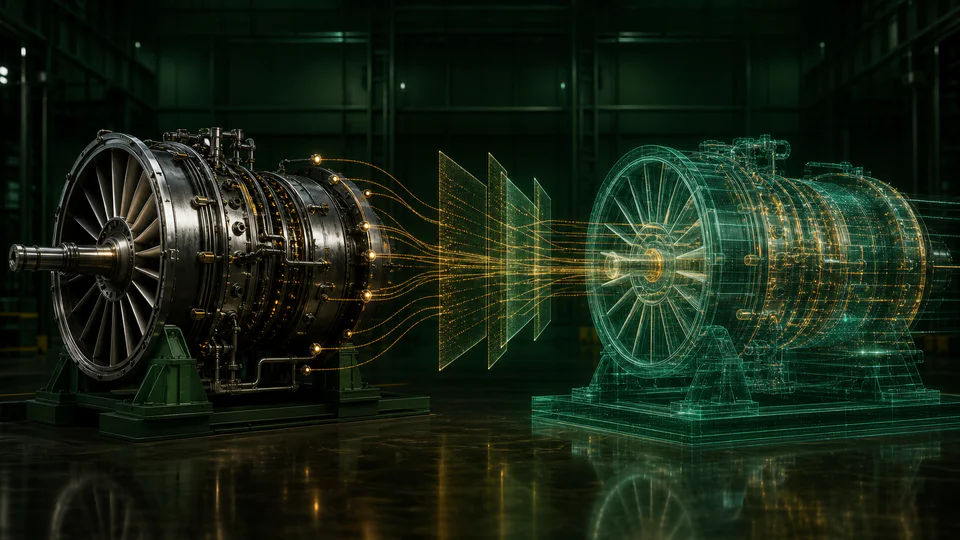
Continuously updated computational representations of physical assets or processes used to estimate state, test scenarios and guide decisions.
Systems that retrieve external evidence at query time and supply it to a generative language component before producing an answer.
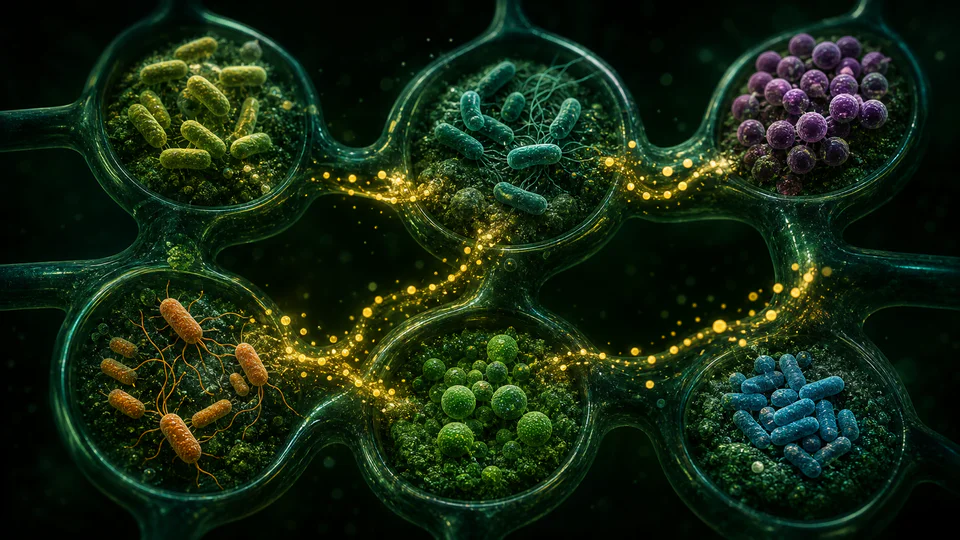
Designed groups of microbial species used to study and engineer ecological interactions with controlled membership and function.
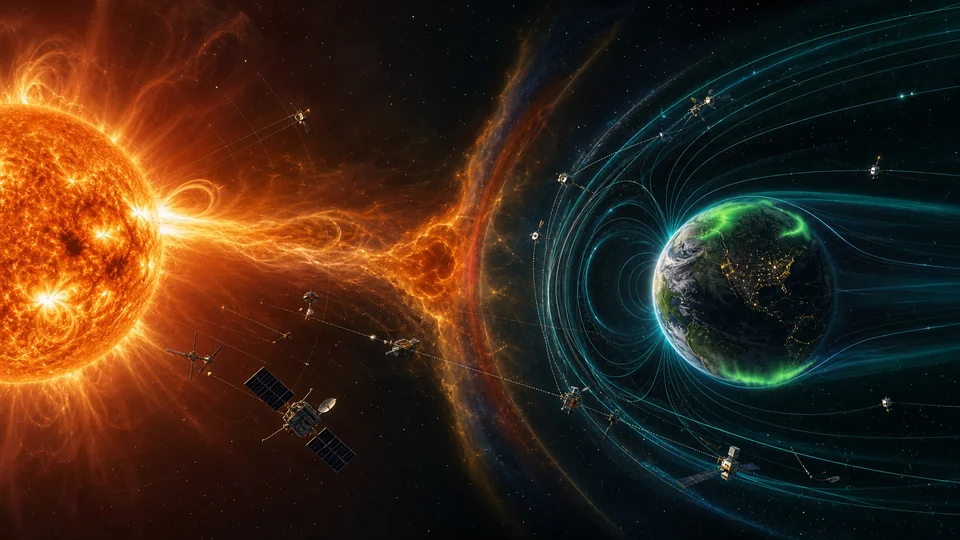
The observation and prediction of solar and geospace disturbances that can affect satellites, navigation, radio and power systems.
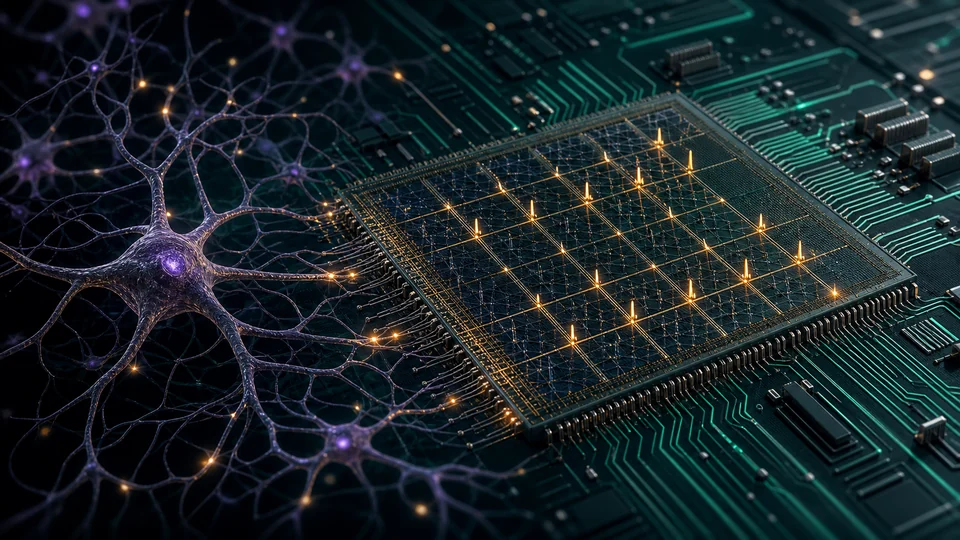
Computing architectures that use brain-inspired event-driven neurons, synapses and memory-compute integration.
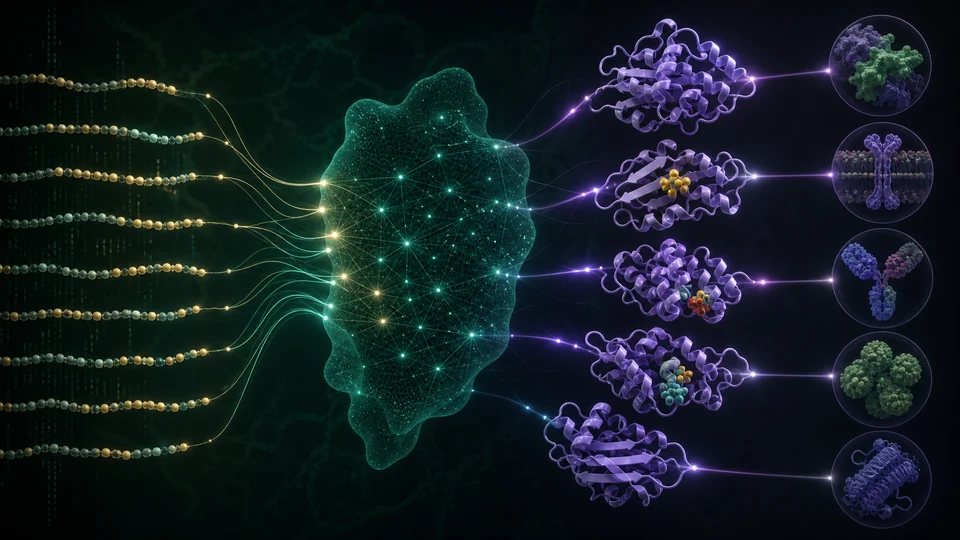
Machine-learning models that learn statistical representations of amino-acid sequences for prediction and molecular design.
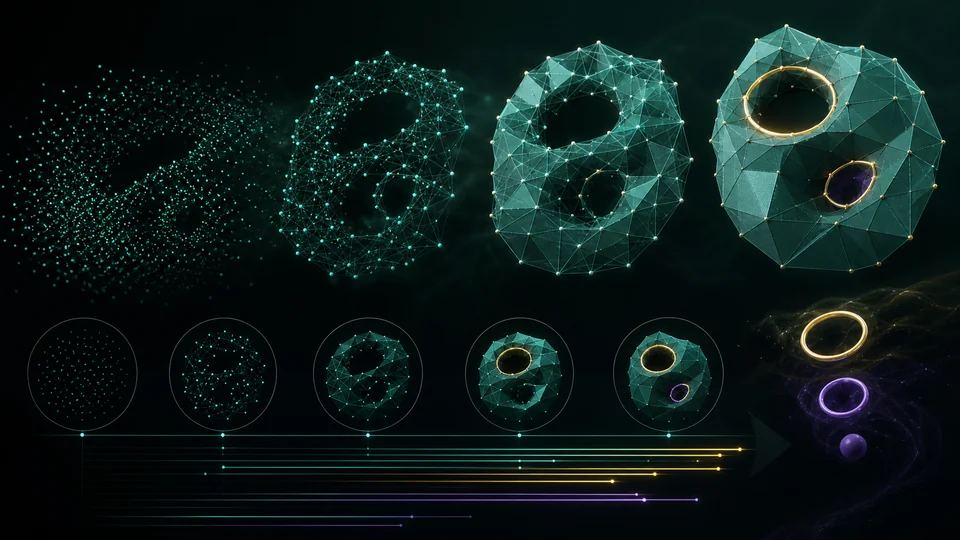
Methods that quantify connected components, loops and higher-dimensional voids in data across a range of spatial scales.
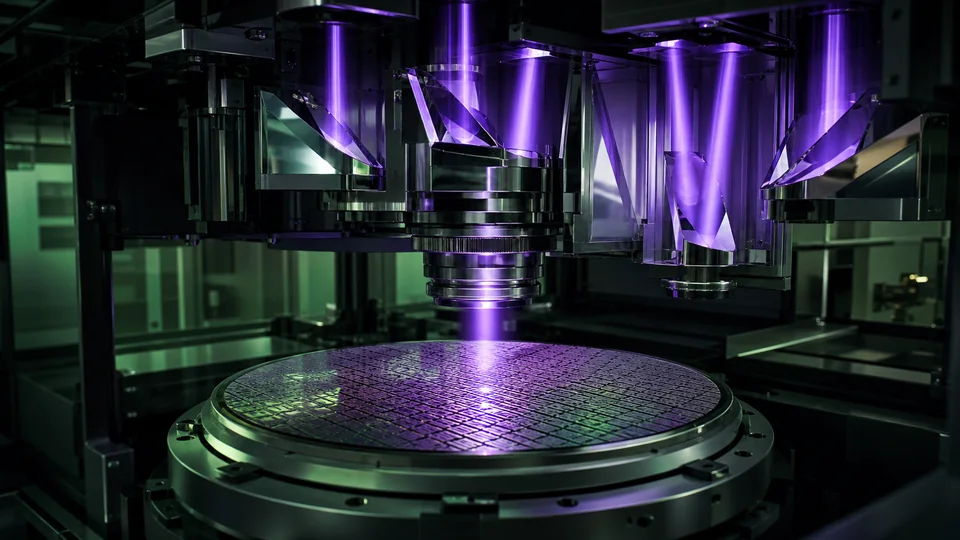
The pattern-transfer processes used to define nanoscale electronic structures repeatedly across semiconductor wafers.
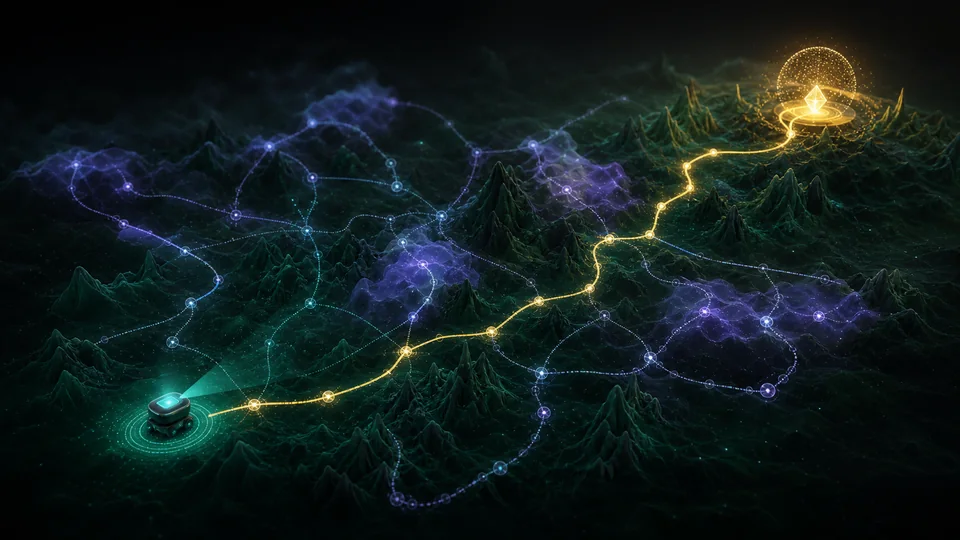
Machine learning for sequential decisions in which an agent improves behaviour from rewards generated through interaction.
A mathematical framework for transforming one distribution into another while minimising a defined movement cost.
The study of deterministic nonlinear systems whose trajectories can become unpredictable through sensitive dependence on initial conditions.
The deformation, sliding and mass exchange that govern how land ice flows from accumulation zones toward its margins.
Chemical acceleration at an interface where reactants and catalyst occupy different physical phases.
Neural-network systems that model relationships among tokens using attention and parallel sequence processing.
Distributed machine learning that coordinates model training across data holders without centralising their raw records.
Statistical and experimental frameworks for estimating how interventions change outcomes rather than merely describing associations.
Cryptographic methods that permit selected computations on encrypted data without first revealing the plaintext.
Machine-learning architectures that learn representations from entities connected by relational structure.
A framework for updating probability distributions over unknown quantities when new evidence is observed.
The wind-, buoyancy- and tide-driven movement of seawater that redistributes heat, carbon, nutrients and momentum.
Layered computational models that learn distributed representations by adjusting weighted connections from data.