Behavioral Economics
The study of economic decisions using psychologically informed evidence about attention, beliefs, preferences and social context.
SCIENDIA Knowledge Desk
Read article
A living academic reference written, refined and transparently versioned by the Sciendia community.
Collaborative knowledgeSearch
19 results
Wiki pages are public to read. Every signed-in member can create and improve them.
Clear searchThe study of economic decisions using psychologically informed evidence about attention, beliefs, preferences and social context.
Coastal vegetated habitats such as mangroves, salt marshes and seagrass meadows that capture and store substantial carbon in biomass and sediments.
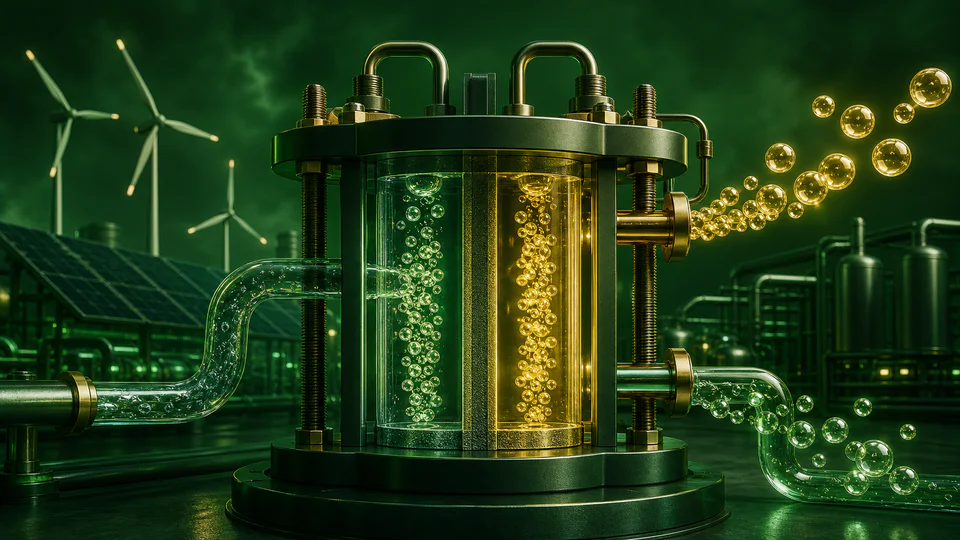
Production of hydrogen by splitting water with electricity whose life-cycle emissions are kept low through renewable energy and responsible system design.
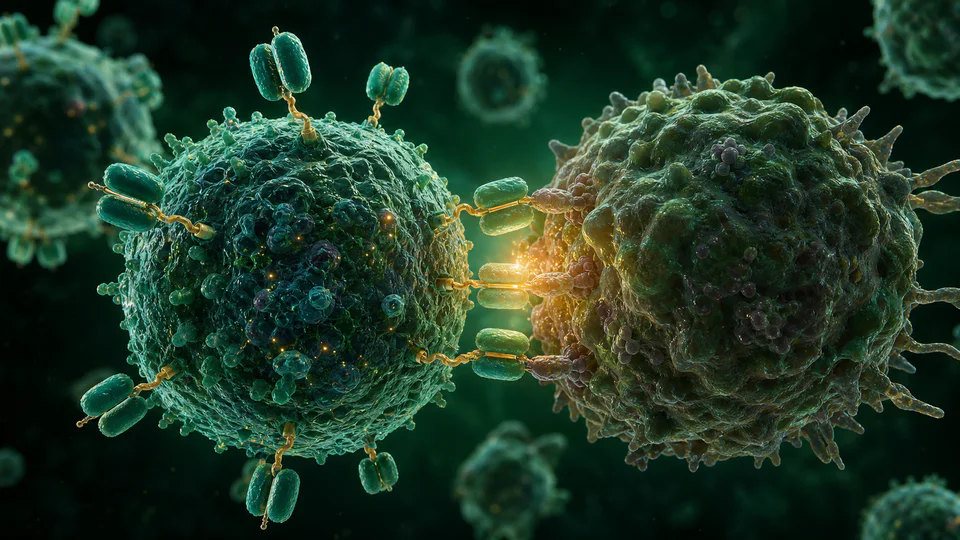
Cell therapy in which a patient's or donor's T cells are engineered with a synthetic receptor that recognises a selected disease antigen.
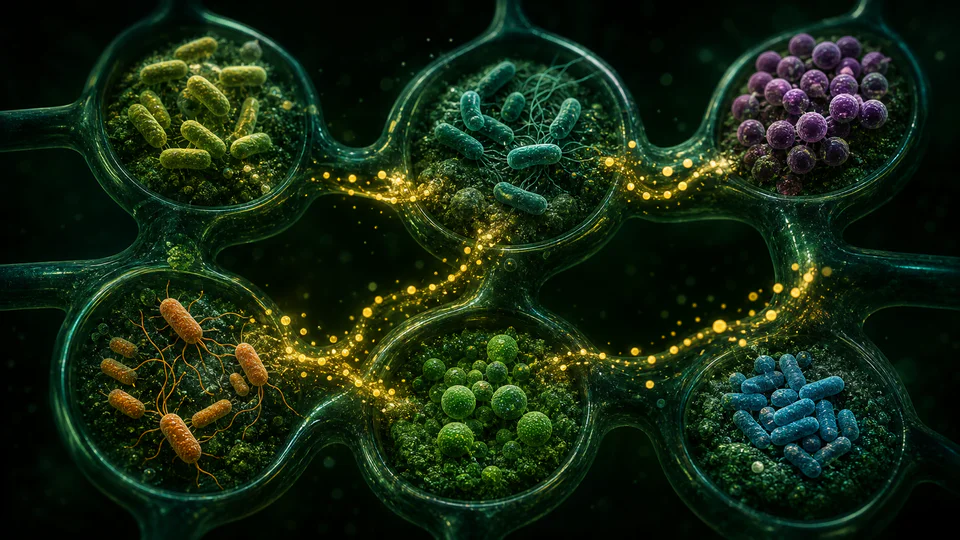
Designed groups of microbial species used to study and engineer ecological interactions with controlled membership and function.
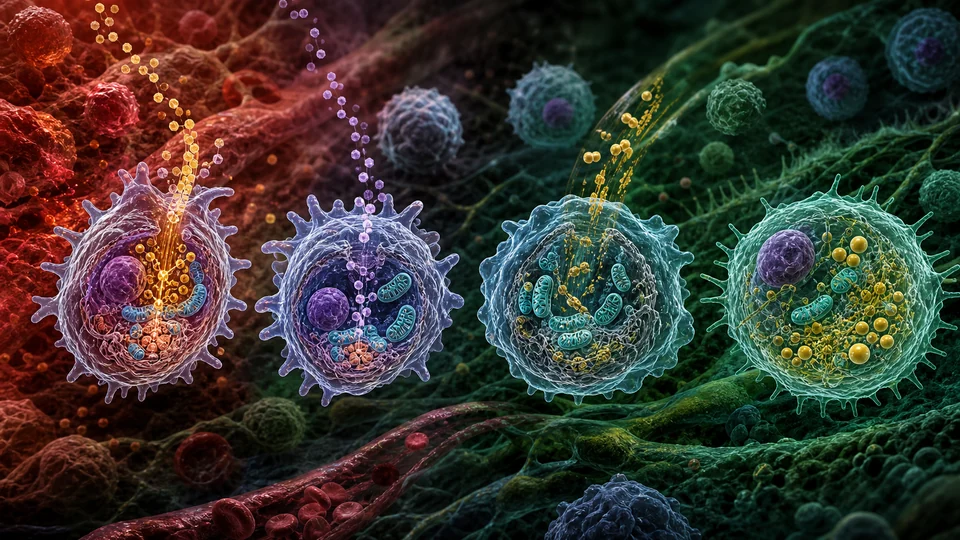
The reciprocal control between cellular metabolic pathways and the activation, differentiation and function of immune cells.
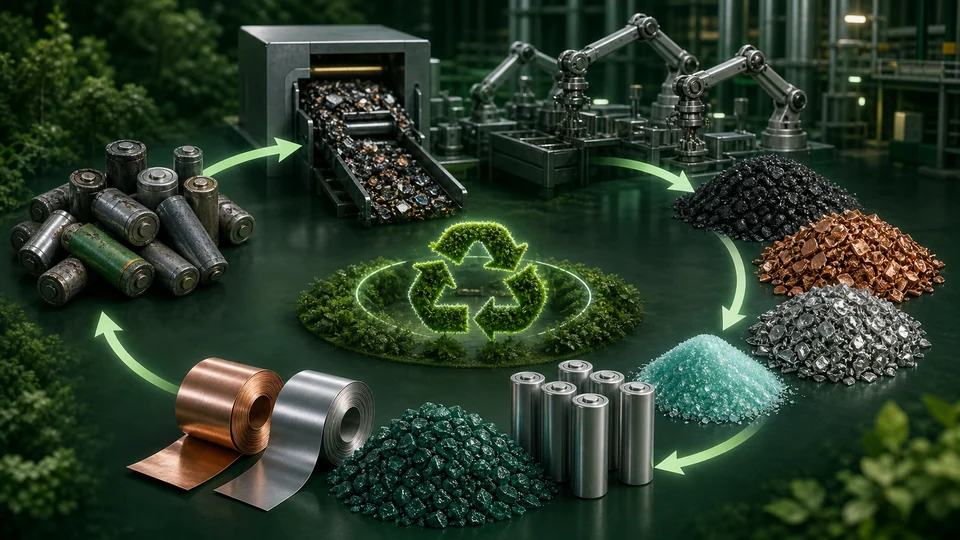
Processes that recover materials and functional components from spent batteries for safe treatment and renewed production.
The capacity of a planetary environment to sustain conditions compatible with life over relevant places and times.
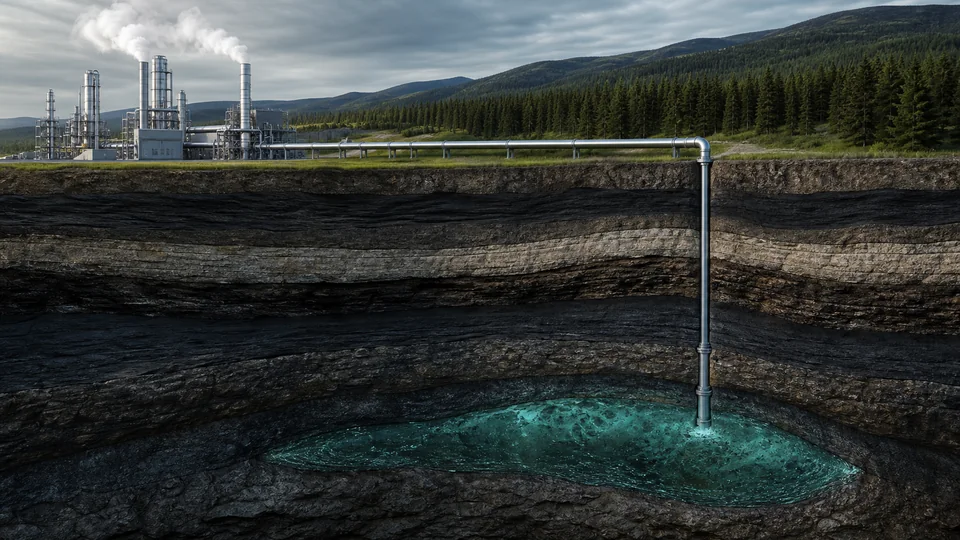
The separation of carbon dioxide from concentrated sources or air followed by transport and long-term geological containment.
Engineered structures whose collective wave response is governed primarily by subwavelength geometry rather than bulk composition alone.
The production and transformation of atomic nuclei through fusion, capture and decay processes inside stars and stellar explosions.
The study of deterministic nonlinear systems whose trajectories can become unpredictable through sensitive dependence on initial conditions.
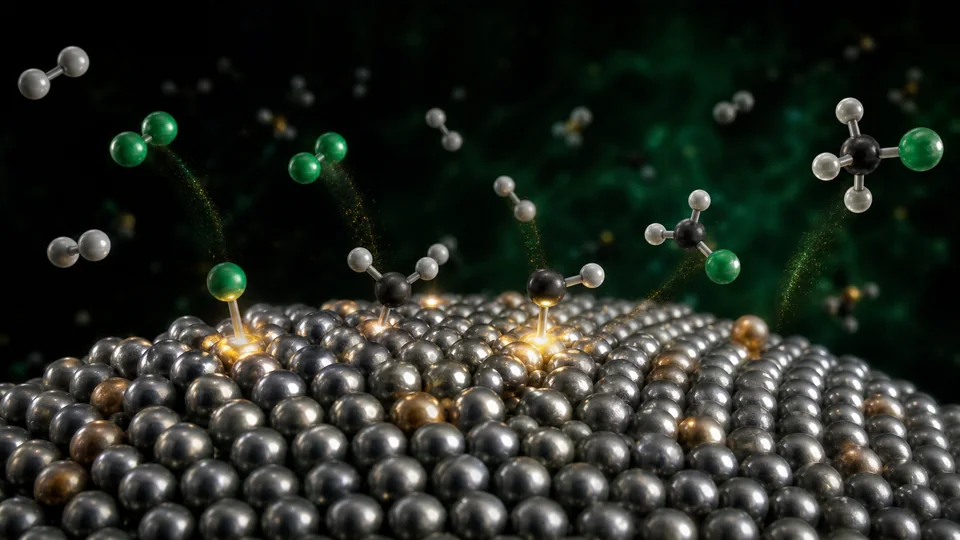
Chemical acceleration at an interface where reactants and catalyst occupy different physical phases.
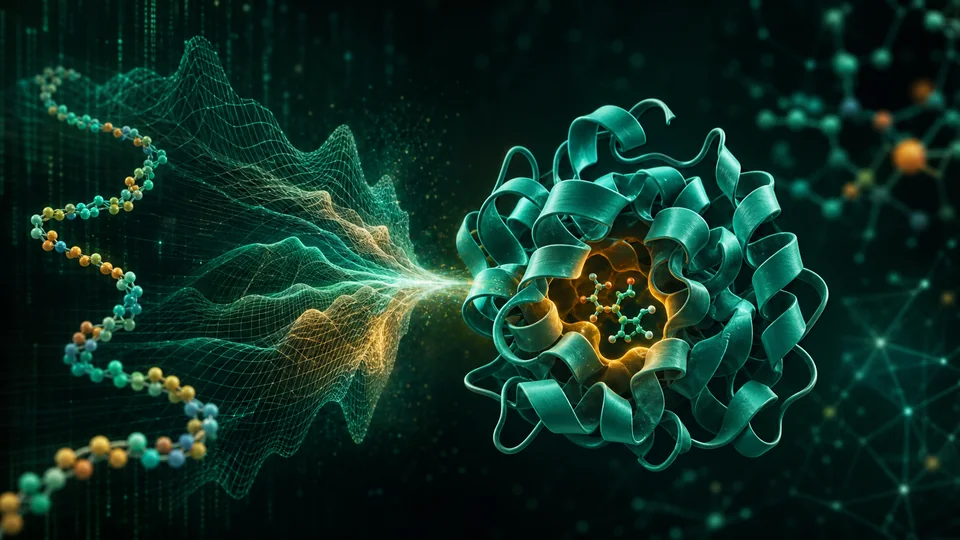
The algorithmic creation of amino-acid sequences expected to fold into structures with specified biochemical functions.
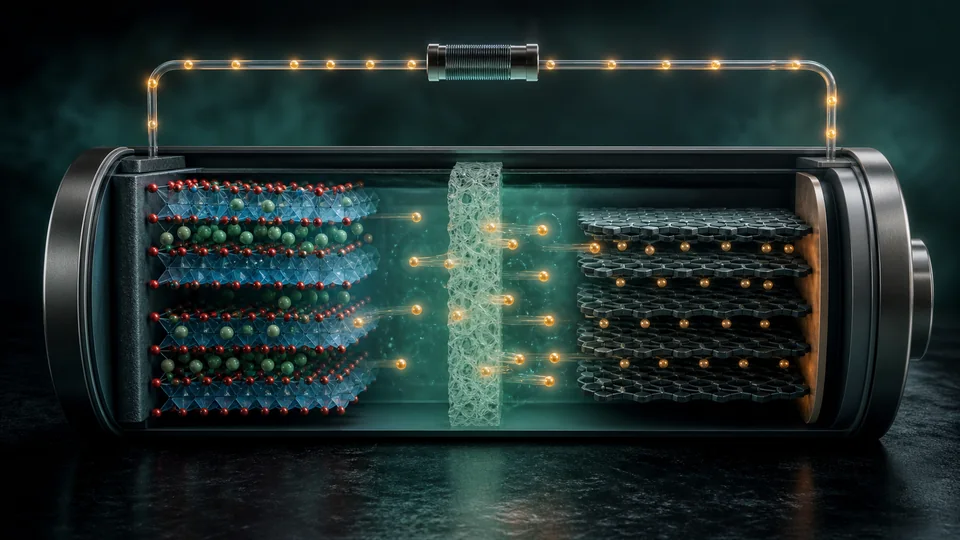
The coupled ion transport, electron transfer and materials transformations that store and release electrical energy in batteries.
The controlled release of nuclear binding energy by combining light nuclei under extreme temperature and confinement.
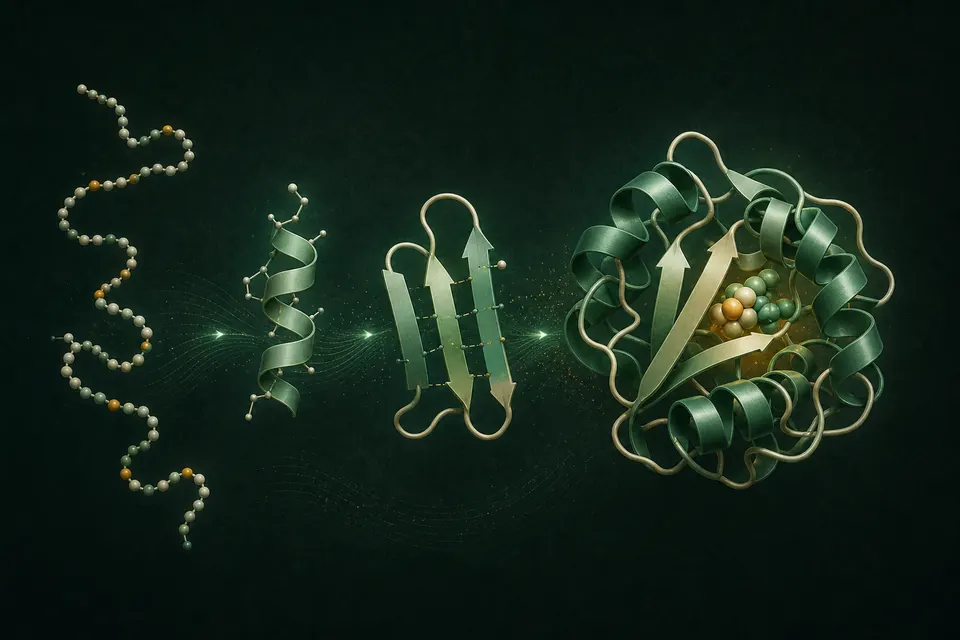
The process by which an amino-acid chain acquires the three-dimensional structure needed for biological function.
Rotating, heated flows of matter that release energy while spiralling toward a black hole.
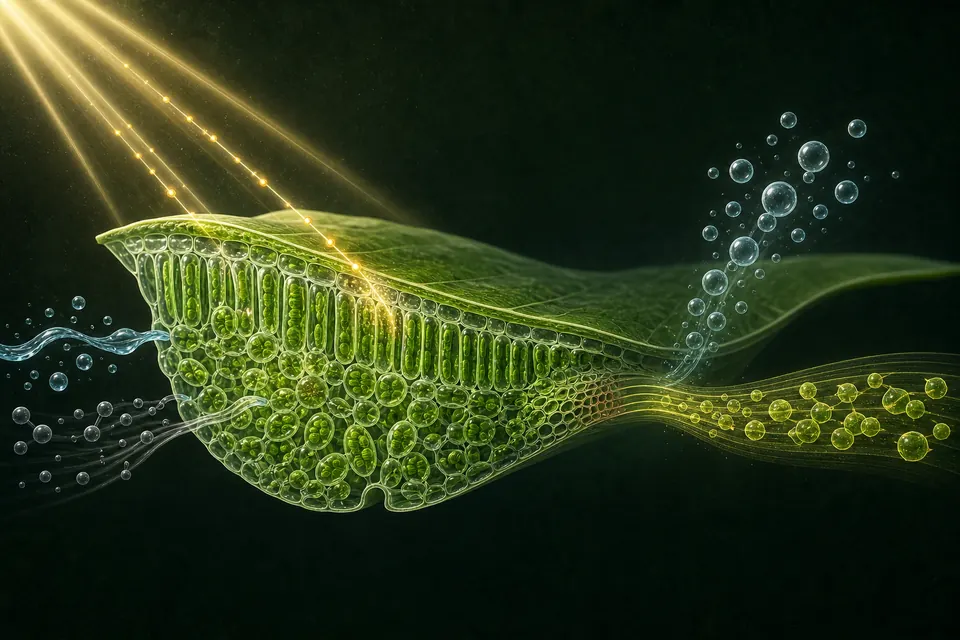
The biological conversion of light energy into chemical energy, coupled to carbon fixation in plants, algae and some bacteria.