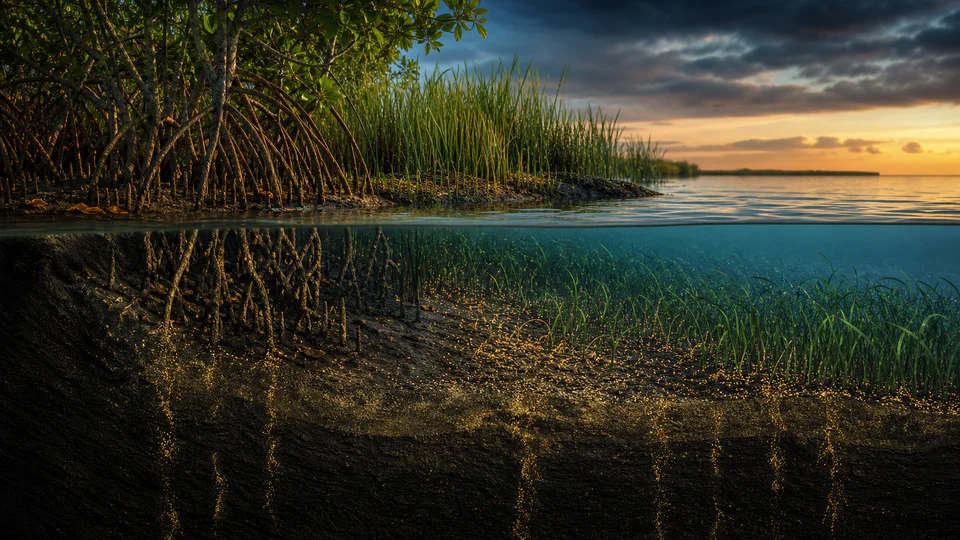
Blue Carbon Ecosystems
Coastal vegetated habitats such as mangroves, salt marshes and seagrass meadows that capture and store substantial carbon in biomass and sediments.
SCIENDIA Knowledge Desk
Read article
A living academic reference written, refined and transparently versioned by the Sciendia community.
Collaborative knowledgeSearch
31 results Page 1/2
Wiki pages are public to read. Every signed-in member can create and improve them.
Clear searchCoastal vegetated habitats such as mangroves, salt marshes and seagrass meadows that capture and store substantial carbon in biomass and sediments.
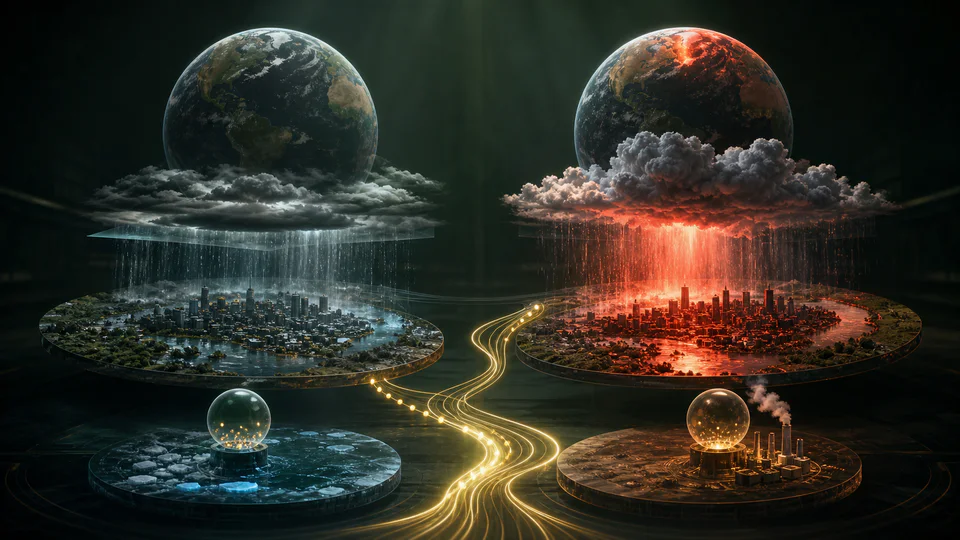
Quantitative analysis of how human-caused climate change altered the probability or intensity of a particular weather or climate extreme.
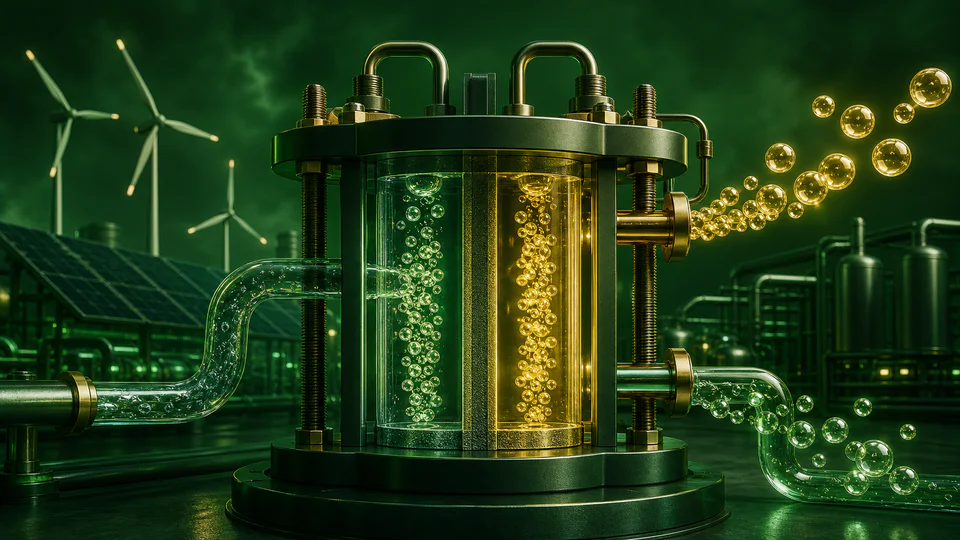
Production of hydrogen by splitting water with electricity whose life-cycle emissions are kept low through renewable energy and responsible system design.
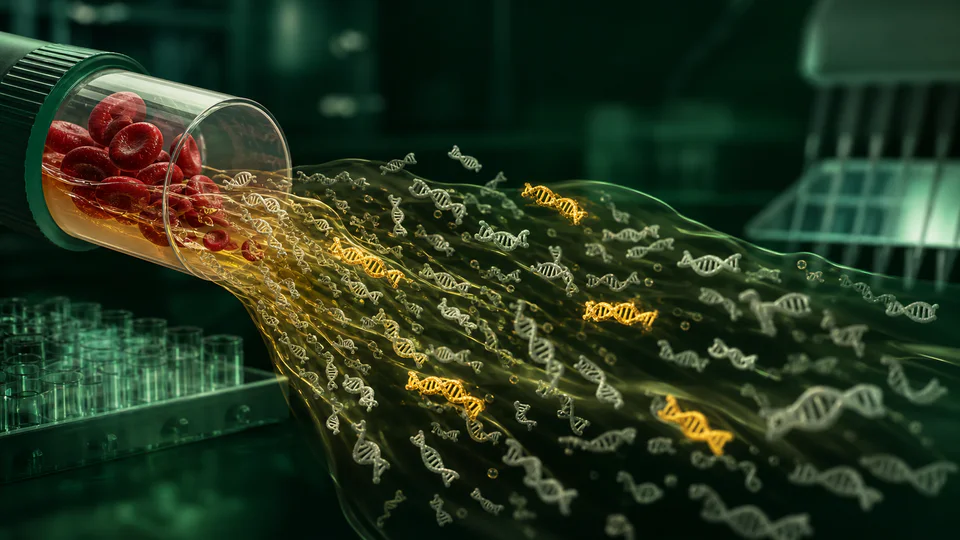
Analysis of tumour-derived DNA, cells, vesicles or other biomarkers in blood and body fluids to characterise cancer non-invasively.
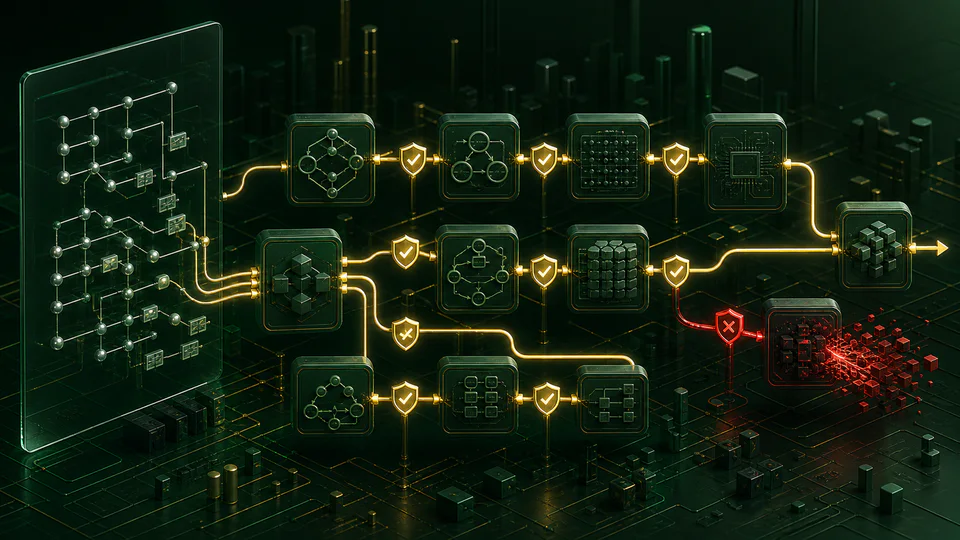
Mathematical methods for proving that hardware, software or protocols satisfy precisely stated properties under explicit assumptions.
Systems that retrieve external evidence at query time and supply it to a generative language component before producing an answer.
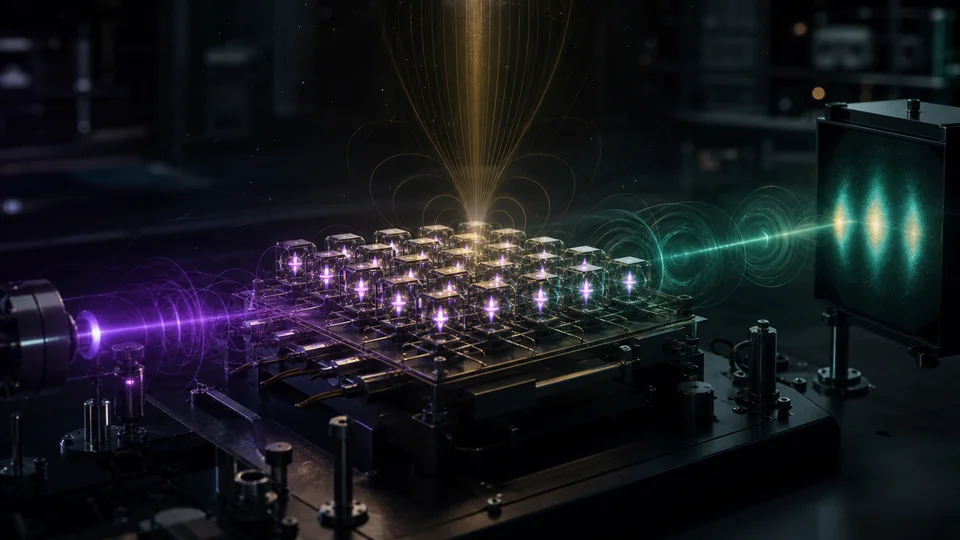
Quantum information processing that encodes, transforms and measures qubits in individual photons and optical modes.
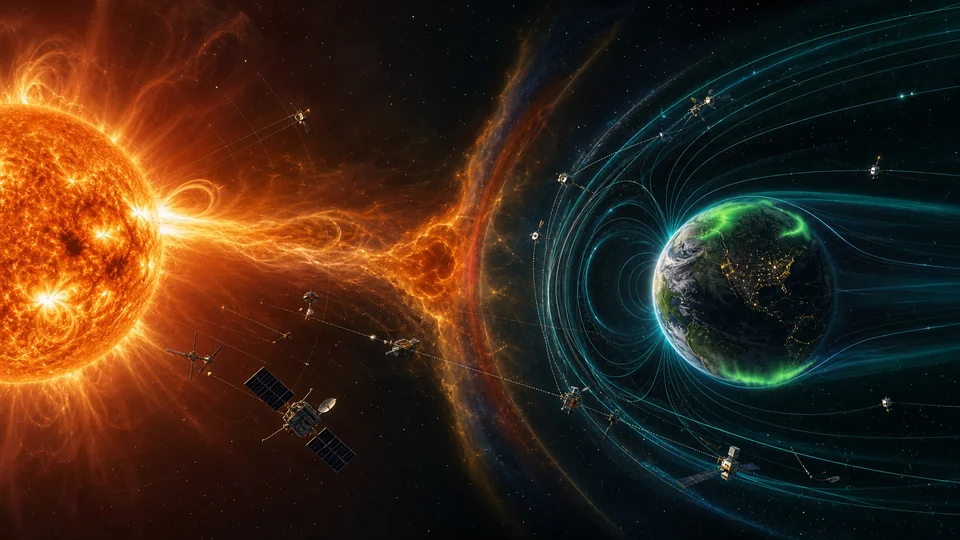
The observation and prediction of solar and geospace disturbances that can affect satellites, navigation, radio and power systems.
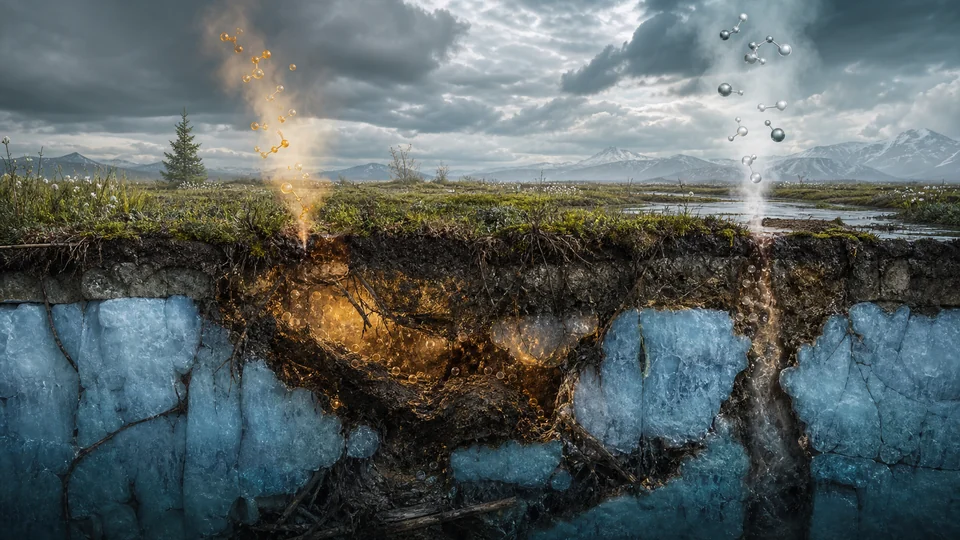
The climate interaction in which thaw exposes frozen organic matter to decomposition and releases additional greenhouse gases.
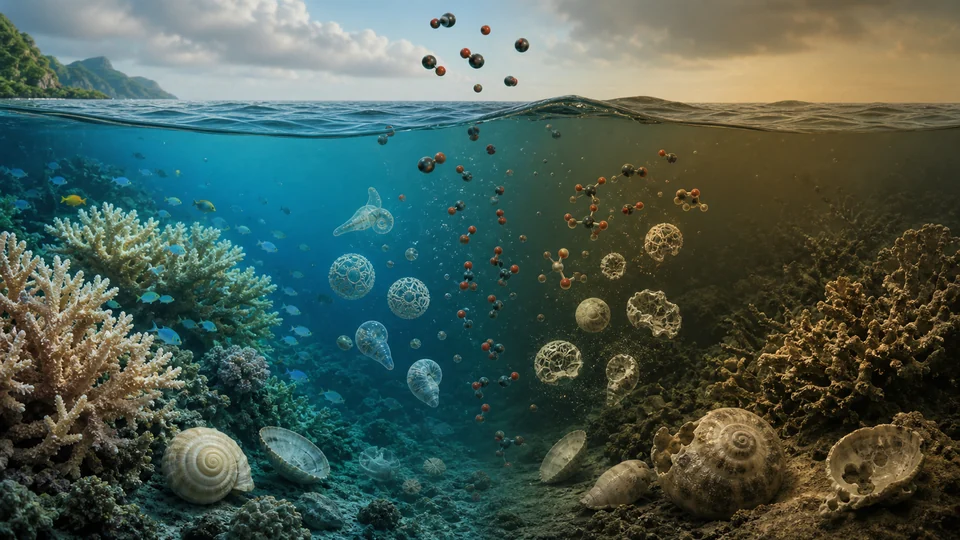
The long-term shift in seawater carbonate chemistry caused primarily by ocean uptake of anthropogenic carbon dioxide.
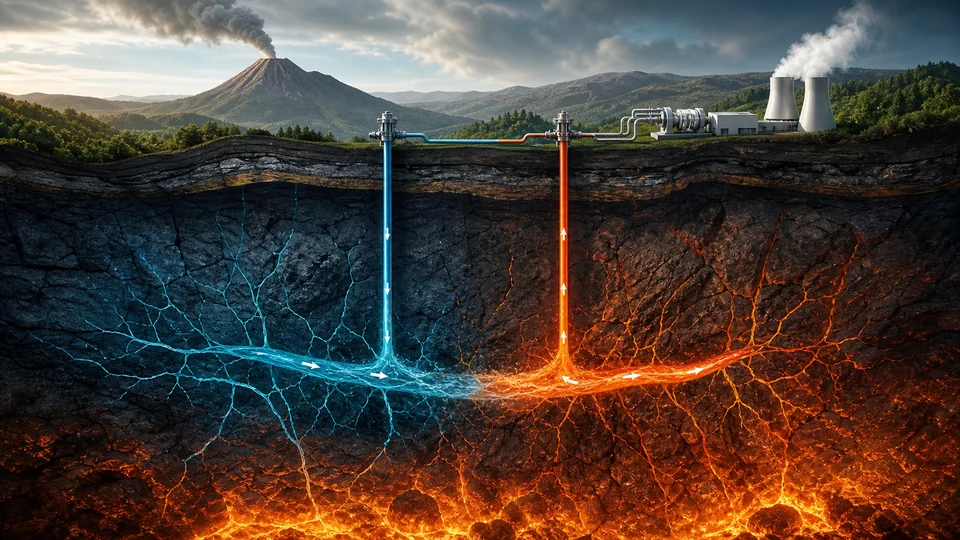
The characterisation and management of subsurface heat, fluids and fractures for durable geothermal energy production.
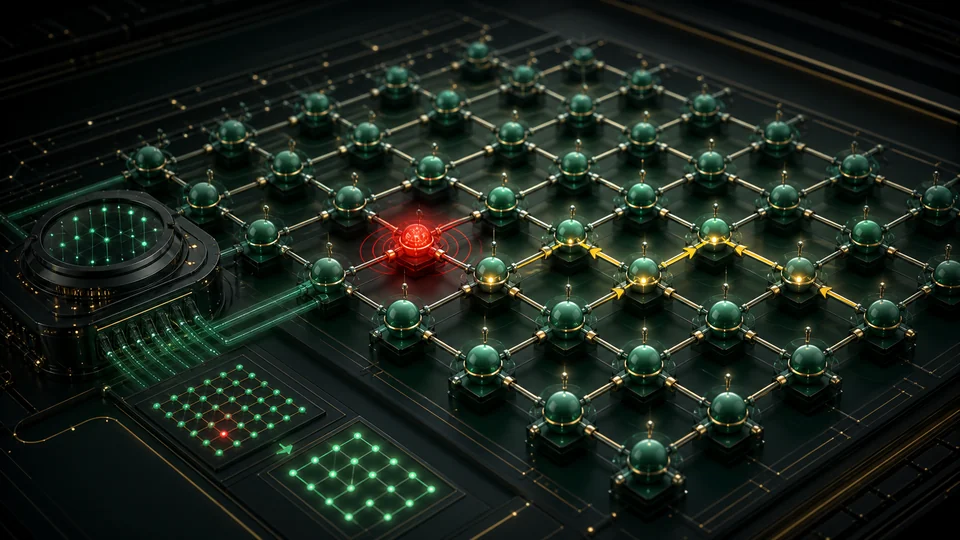
Methods that encode fragile logical quantum information across many physical qubits and diagnose errors without reading the protected state directly.
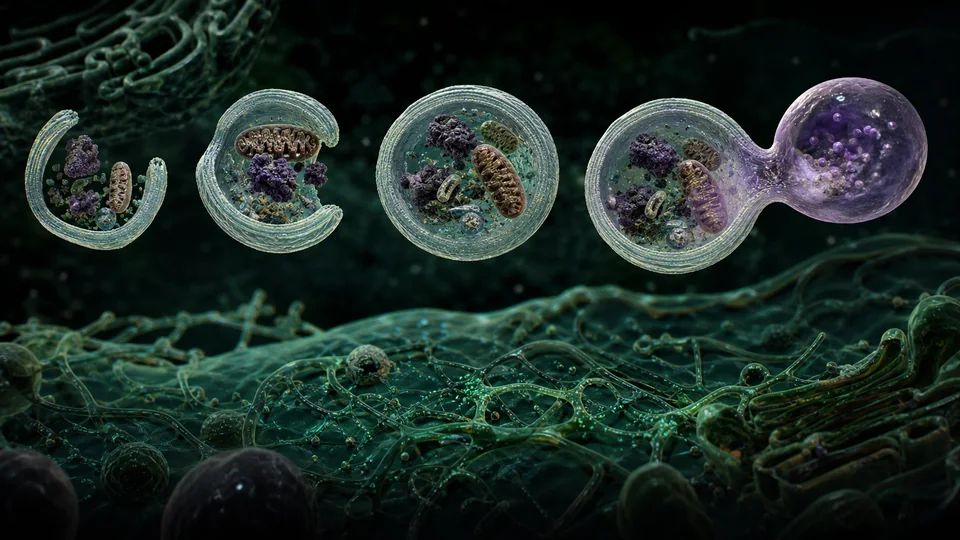
Cellular pathways that deliver cytoplasmic material to lysosomes or vacuoles for degradation, quality control and recycling.
Long, narrow corridors of concentrated horizontal water-vapour transport that deliver major precipitation to continental margins.
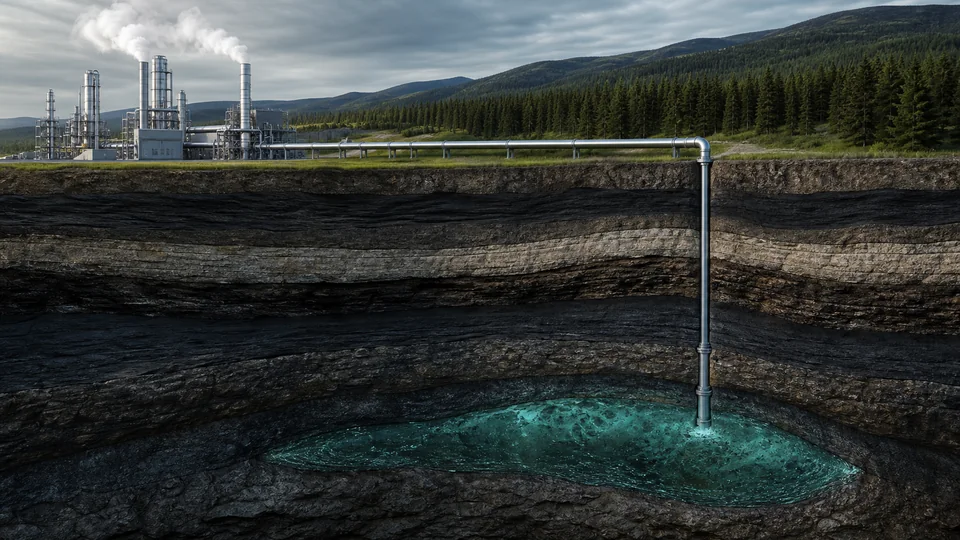
The separation of carbon dioxide from concentrated sources or air followed by transport and long-term geological containment.
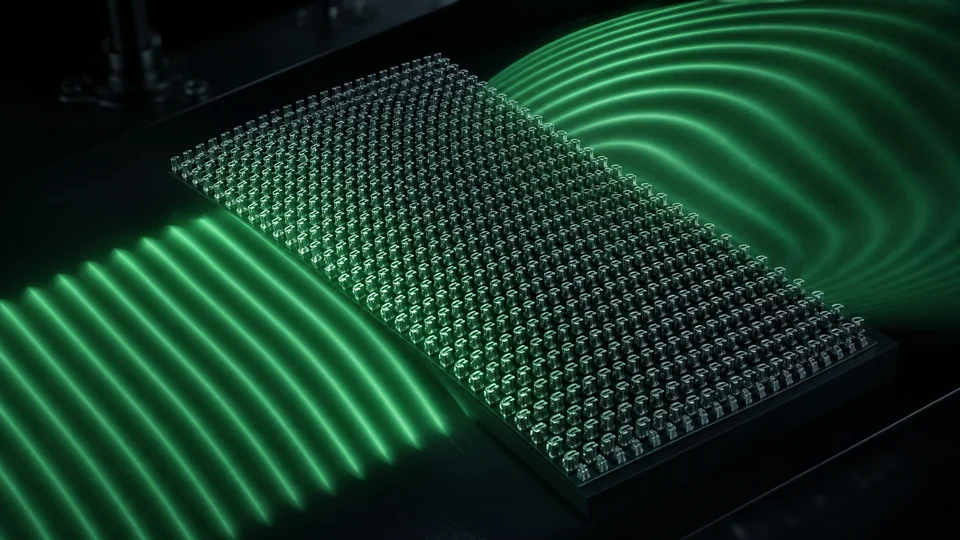
Engineered structures whose collective wave response is governed primarily by subwavelength geometry rather than bulk composition alone.
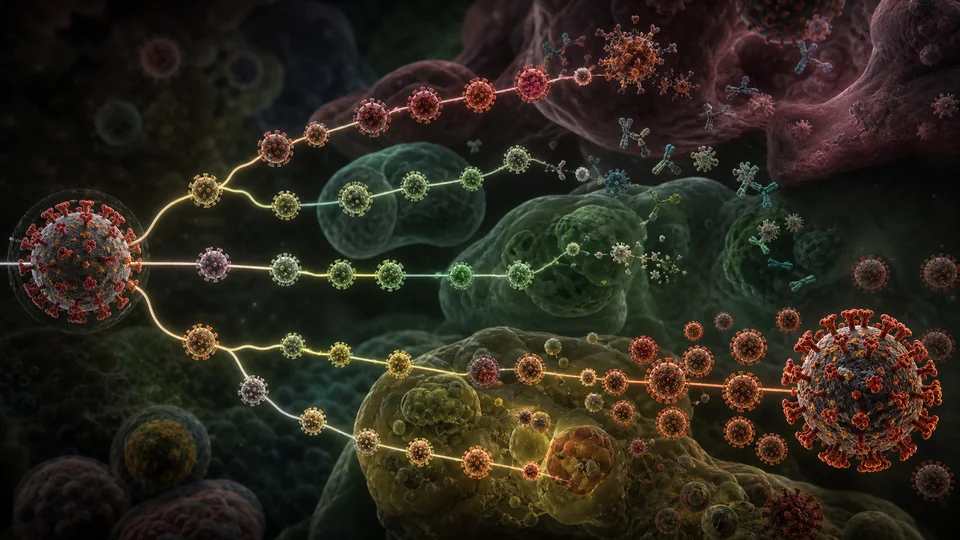
The change of viral populations through mutation, selection, recombination, migration and genetic drift across hosts and time.
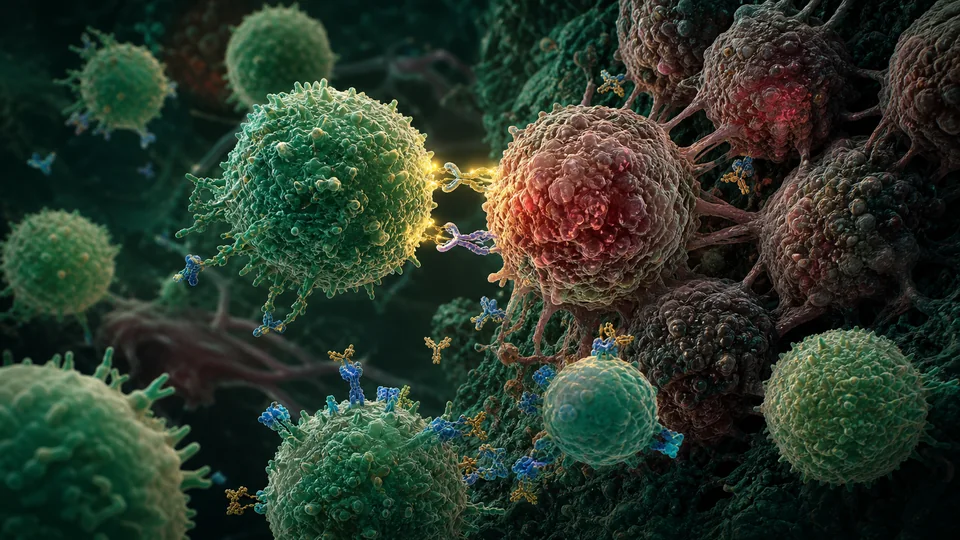
Treatments that redirect, strengthen or release immune responses to recognise and control malignant cells.
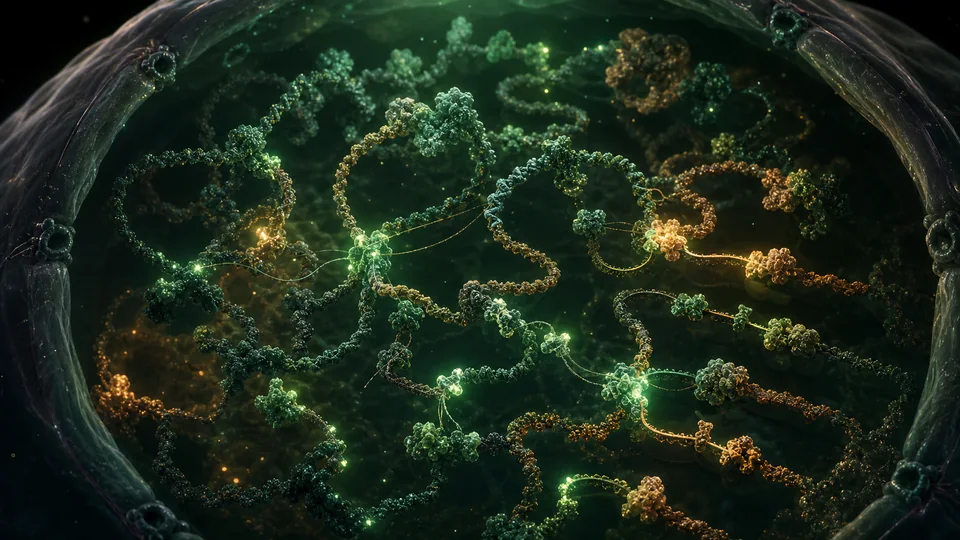
Interacting genes, regulatory DNA and molecular factors that control when and where biological programmes are expressed.
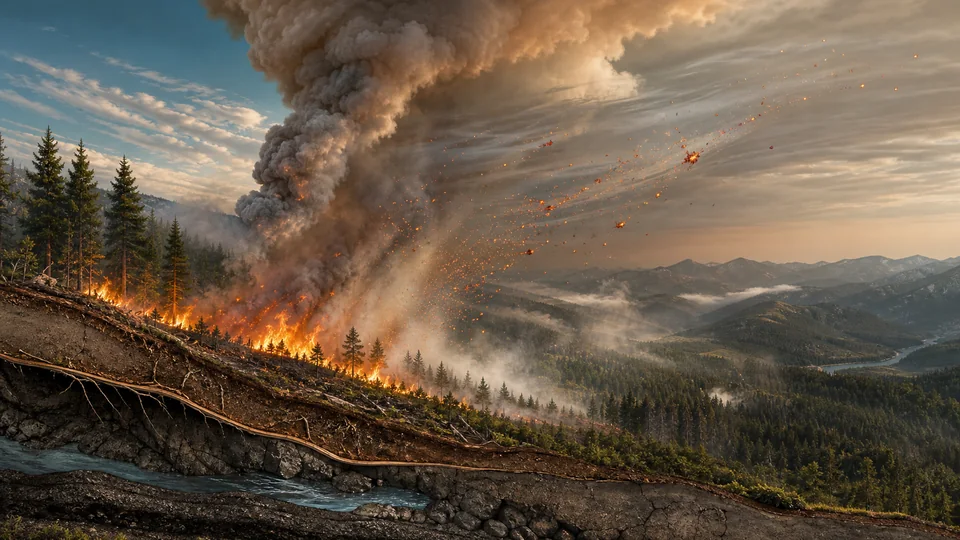
The coupled combustion, atmosphere, fuel and terrain processes that govern how landscape fires ignite and spread.
Precision measurement techniques that exploit controlled quantum states to detect fields, time, motion and material properties.
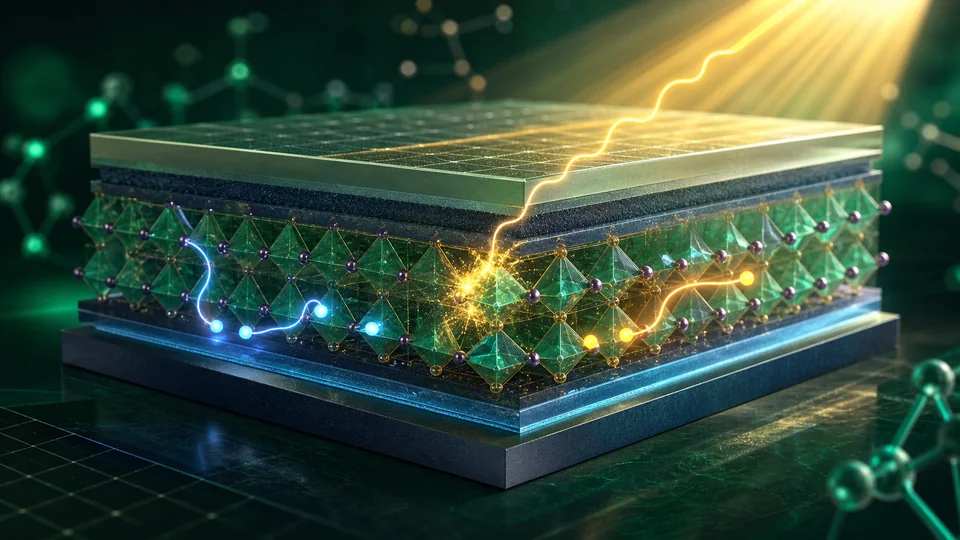
Thin-film photovoltaic devices built around halide-perovskite absorbers with tunable optoelectronic properties.
Statistical and experimental frameworks for estimating how interventions change outcomes rather than merely describing associations.
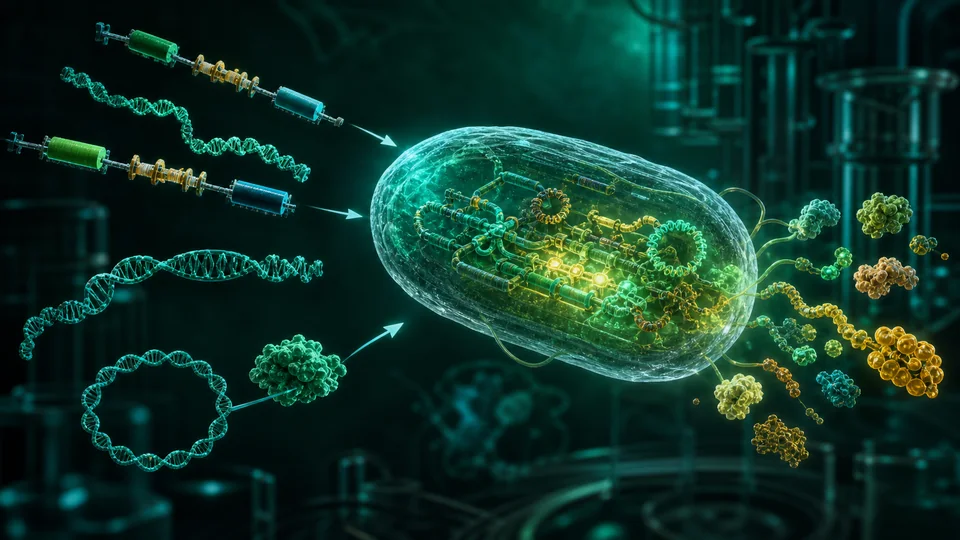
The design and construction of biological systems using engineering principles, quantitative models and molecular tools.