Blue Carbon Ecosystems
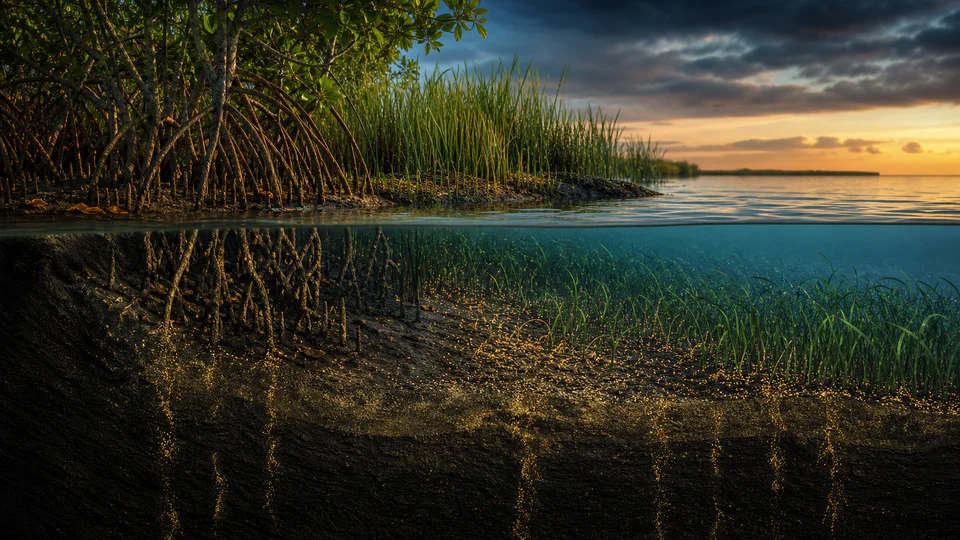
Coastal vegetated habitats such as mangroves, salt marshes and seagrass meadows that capture and store substantial carbon in biomass and sediments.
SCIENDIA Knowledge Desk
Read article
A living academic reference written, refined and transparently versioned by the Sciendia community.
Collaborative knowledgeSearch
26 results Page 1/2
Wiki pages are public to read. Every signed-in member can create and improve them.
Clear searchCoastal vegetated habitats such as mangroves, salt marshes and seagrass meadows that capture and store substantial carbon in biomass and sediments.
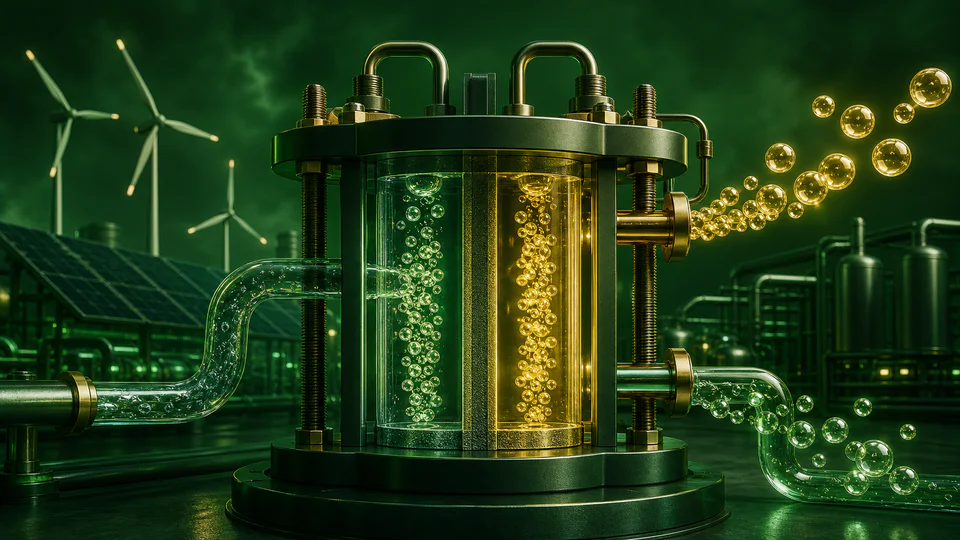
Production of hydrogen by splitting water with electricity whose life-cycle emissions are kept low through renewable energy and responsible system design.
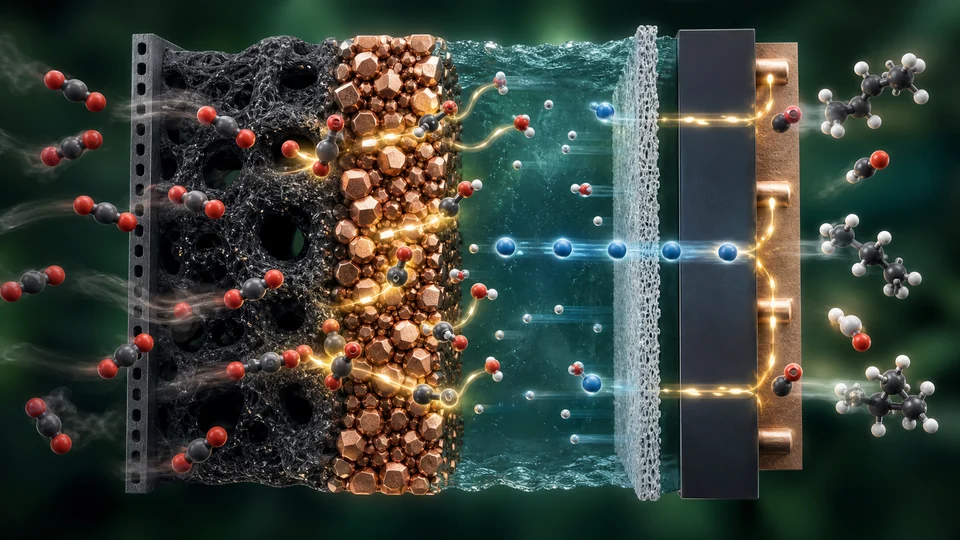
The use of electricity, catalysts and electrochemical interfaces to convert carbon dioxide into chemical products.
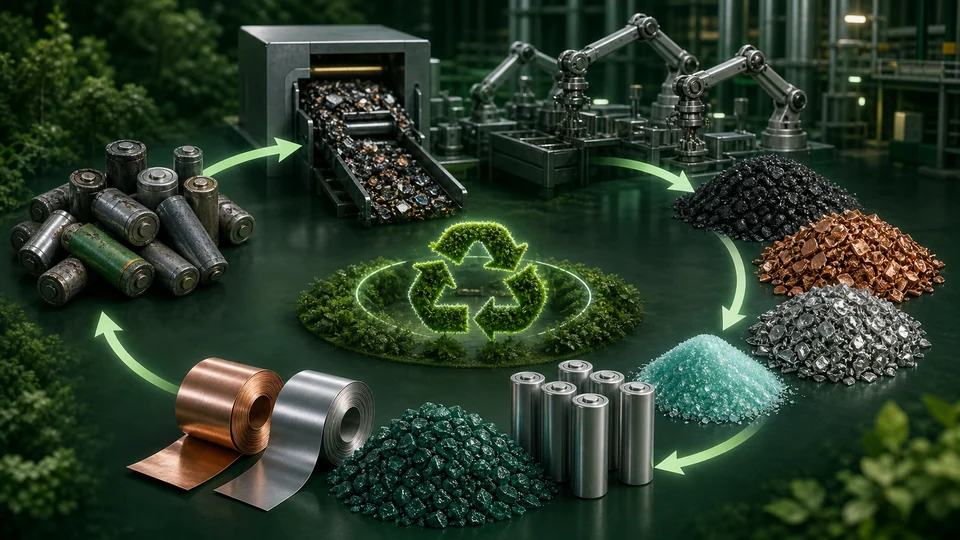
Processes that recover materials and functional components from spent batteries for safe treatment and renewed production.
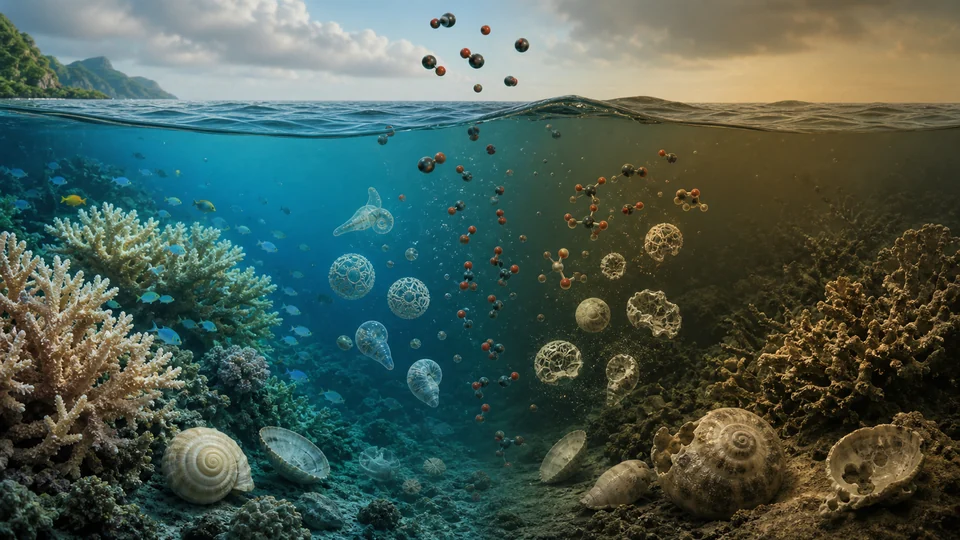
The long-term shift in seawater carbonate chemistry caused primarily by ocean uptake of anthropogenic carbon dioxide.
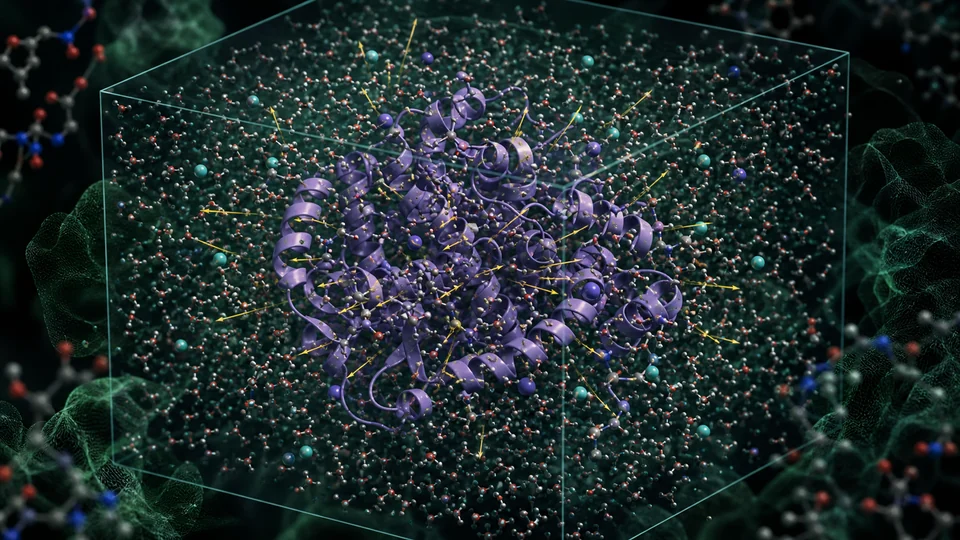
Atomistic computation that propagates molecular motion through time using an interaction model and numerical integration.
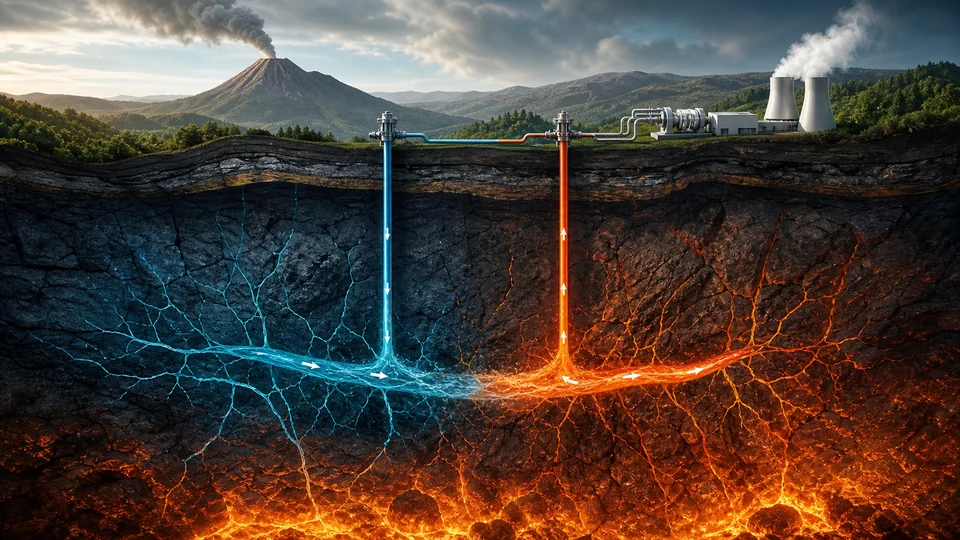
The characterisation and management of subsurface heat, fluids and fractures for durable geothermal energy production.
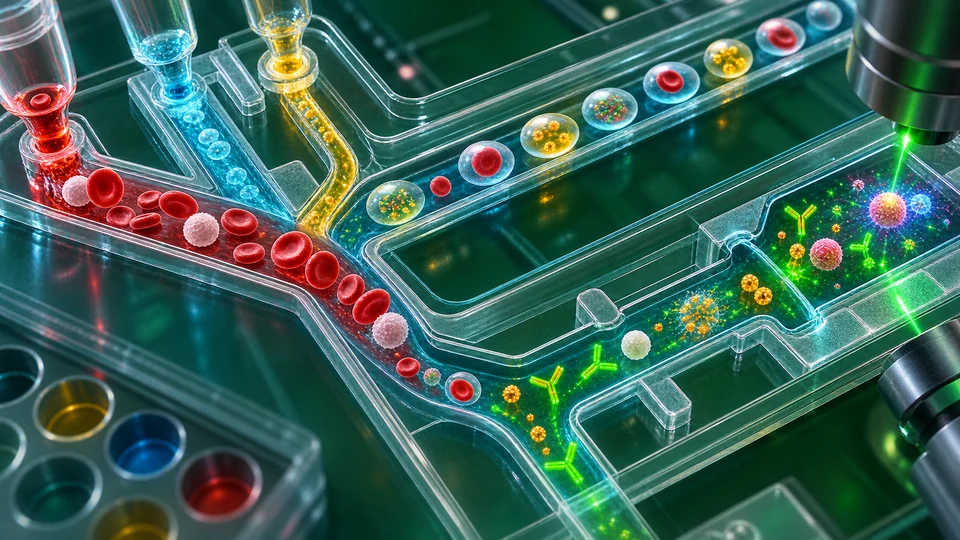
The control of very small fluid volumes in engineered channels for analysis, synthesis and biological experimentation.
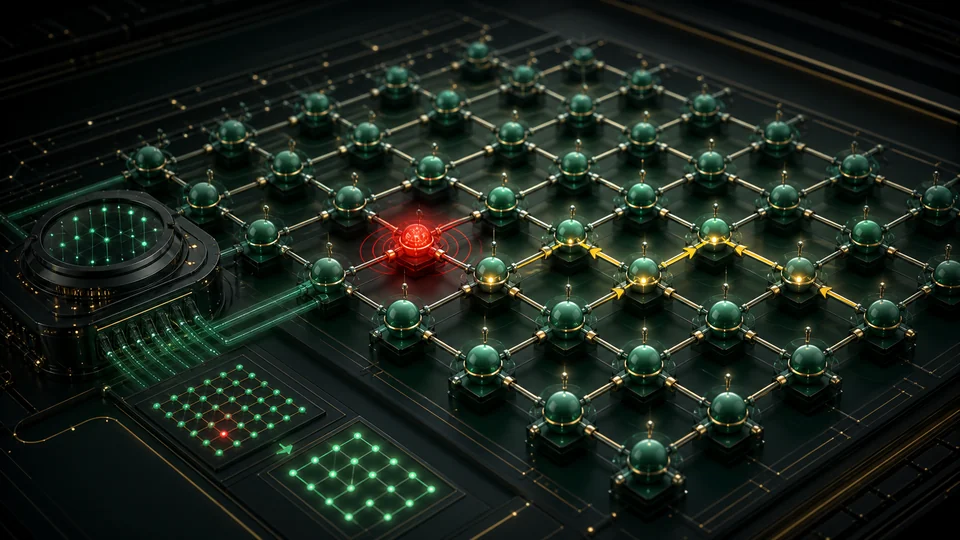
Methods that encode fragile logical quantum information across many physical qubits and diagnose errors without reading the protected state directly.
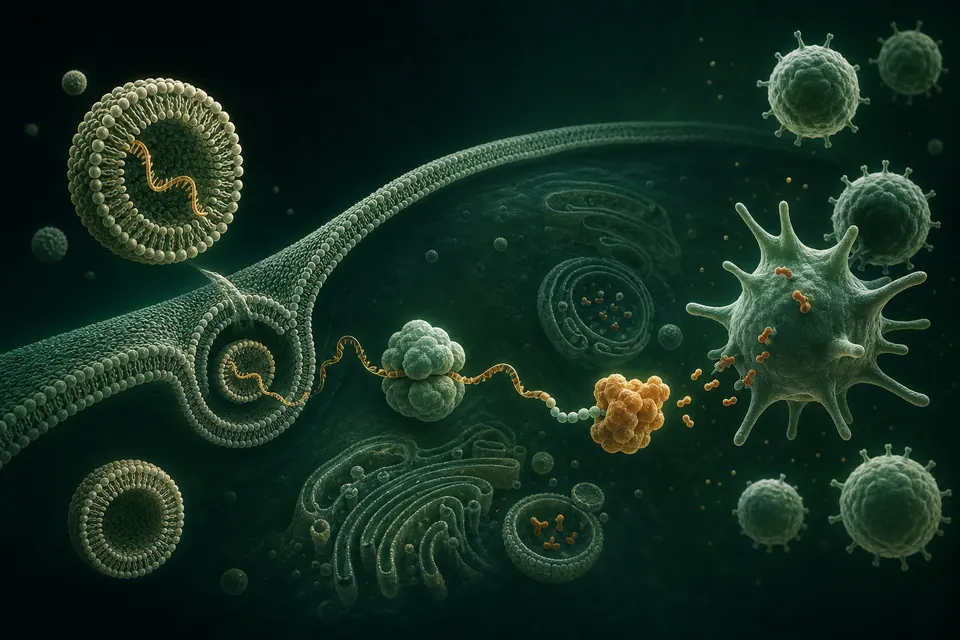
Medicines that deliver engineered messenger RNA so cells transiently produce a therapeutic protein or antigen.
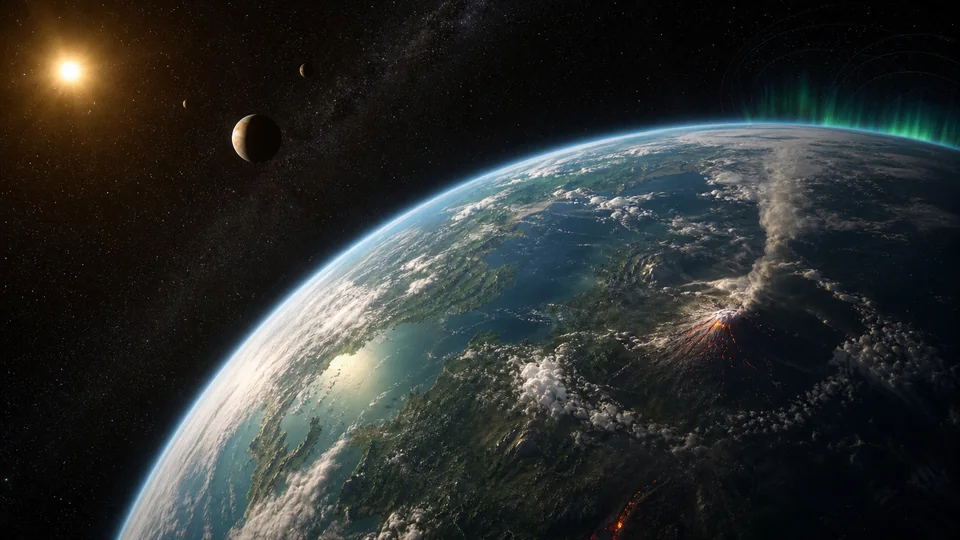
The capacity of a planetary environment to sustain conditions compatible with life over relevant places and times.
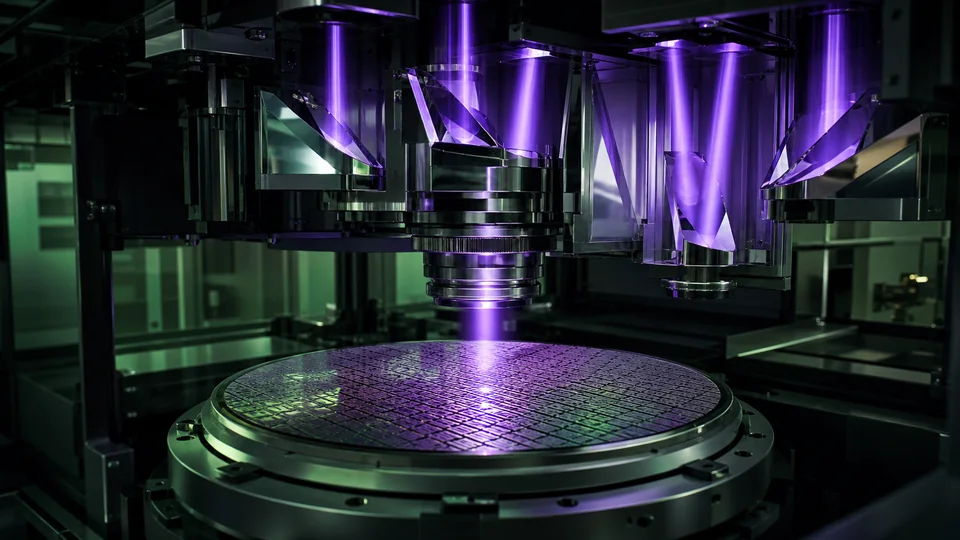
The pattern-transfer processes used to define nanoscale electronic structures repeatedly across semiconductor wafers.
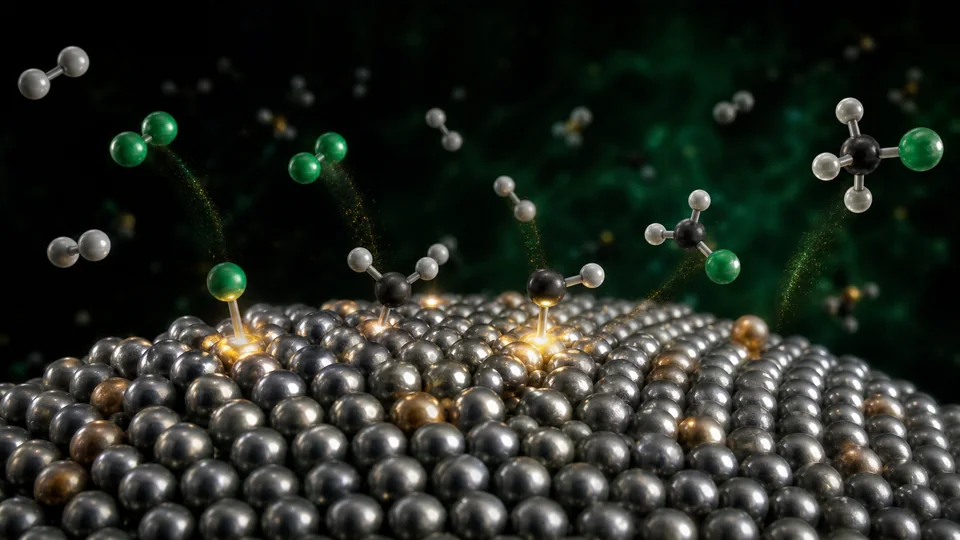
Chemical acceleration at an interface where reactants and catalyst occupy different physical phases.
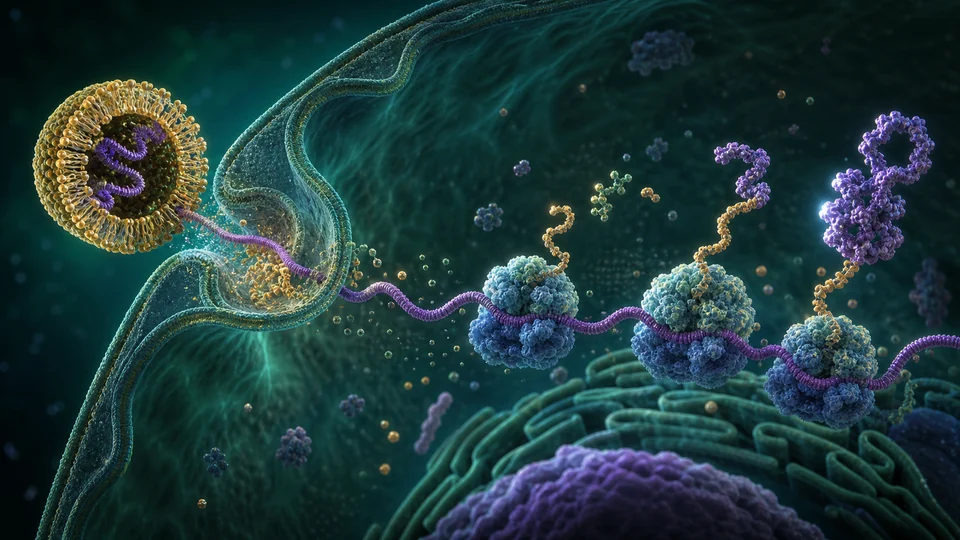
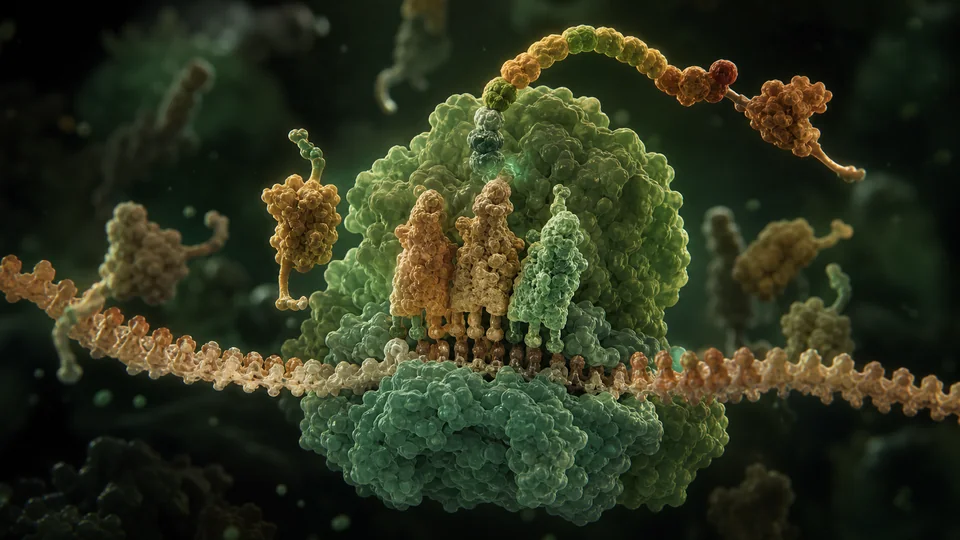
The molecular decoding of messenger RNA into an ordered amino-acid chain by ribosomes and transfer RNAs.
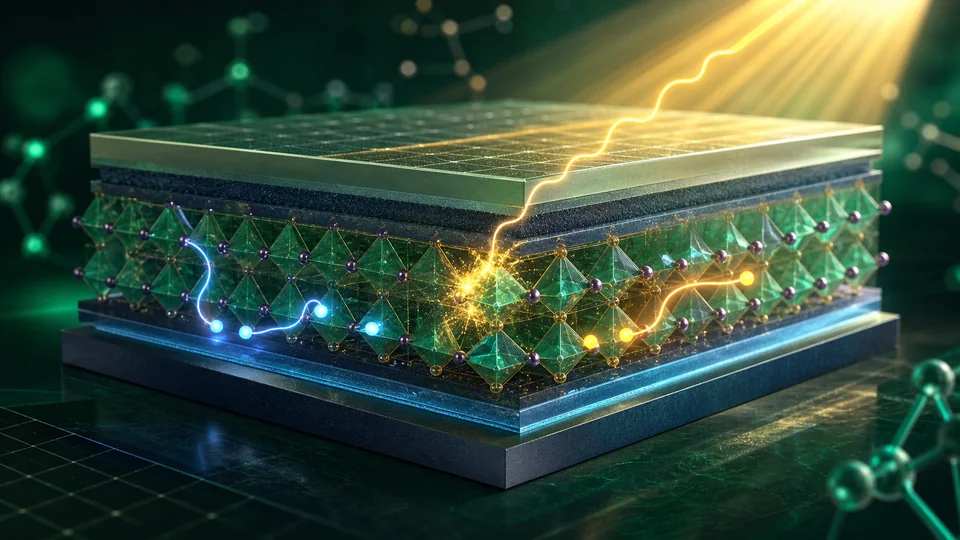
Thin-film photovoltaic devices built around halide-perovskite absorbers with tunable optoelectronic properties.
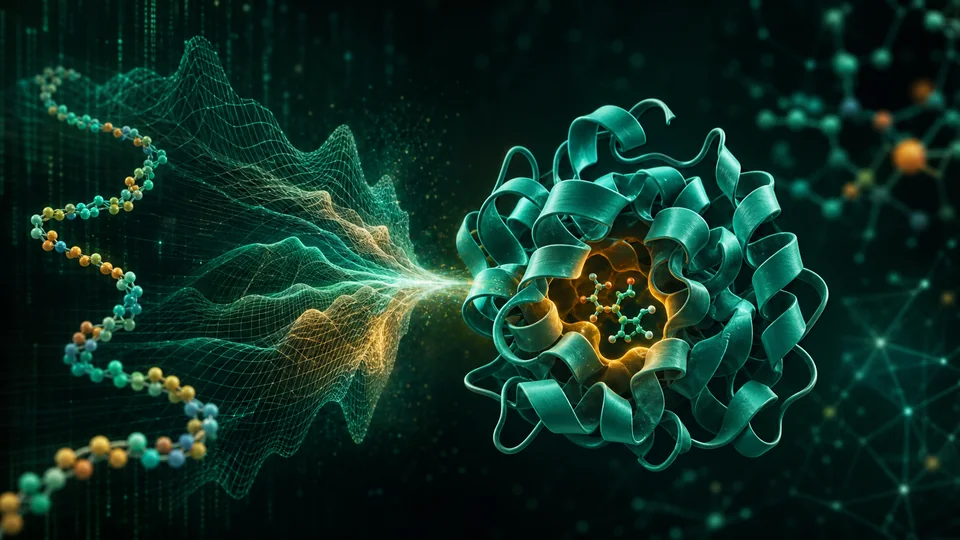
The algorithmic creation of amino-acid sequences expected to fold into structures with specified biochemical functions.
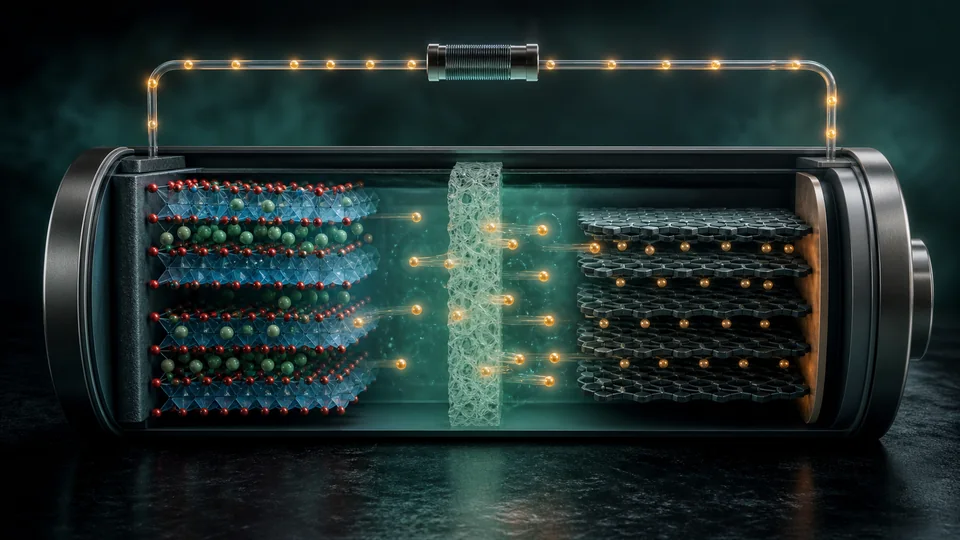
The coupled ion transport, electron transfer and materials transformations that store and release electrical energy in batteries.
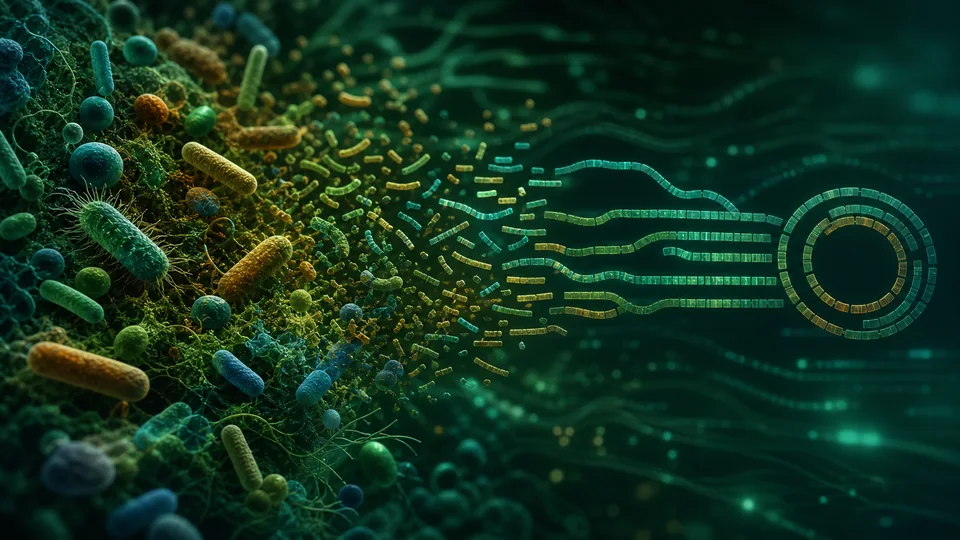
The culture-independent analysis of collective microbial genomes recovered from an environmental or host-associated sample.
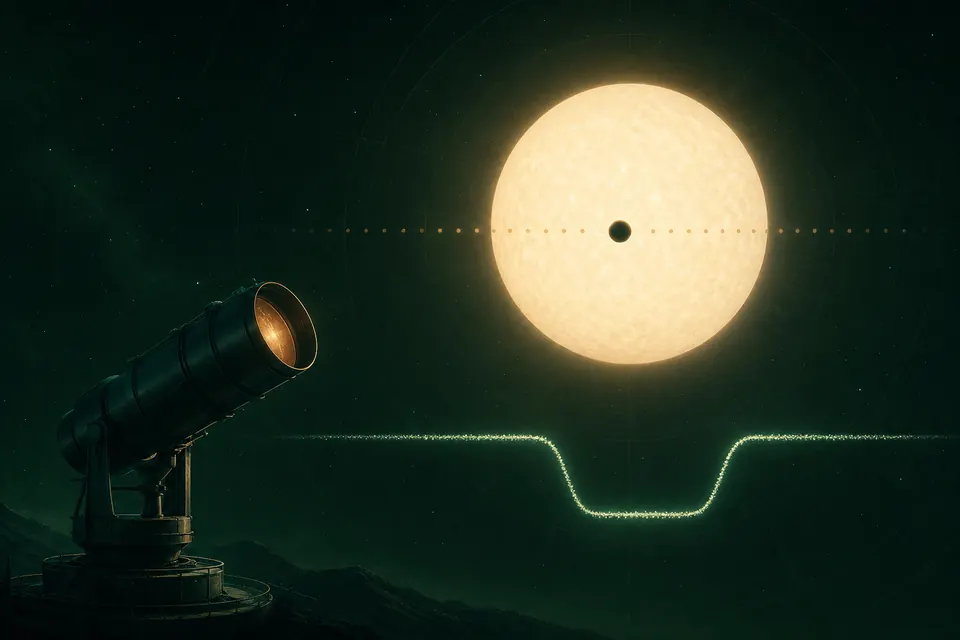
Methods for identifying and characterising planets orbiting stars beyond the Solar System.
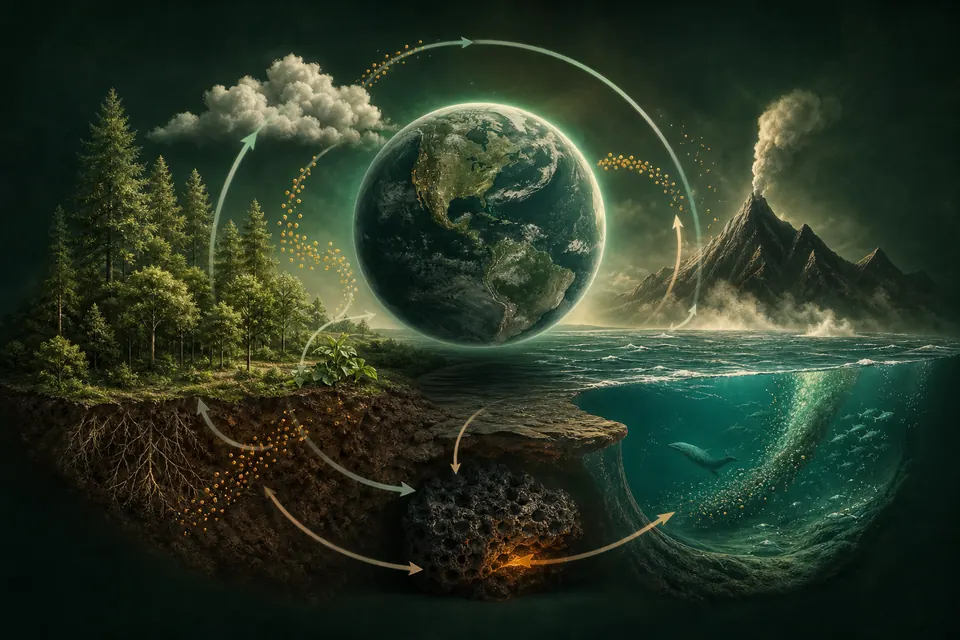
The movement of carbon among the atmosphere, oceans, living organisms, soils, rocks and Earth's interior.
Vaccines that deliver temporary genetic instructions so cells produce an antigen and train adaptive immunity.
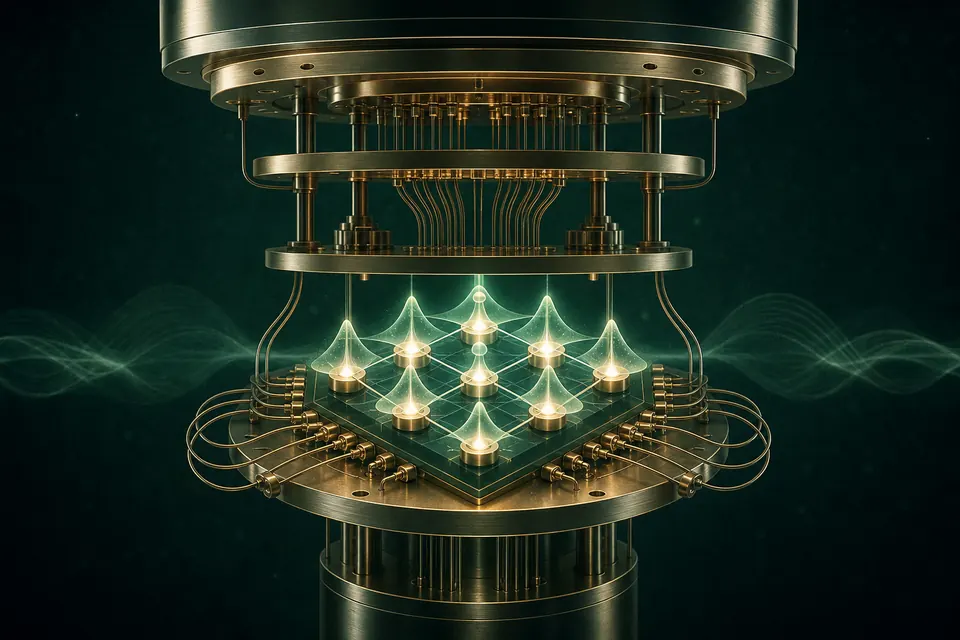
Computation that controls quantum states to process information using interference, entanglement and measurement.
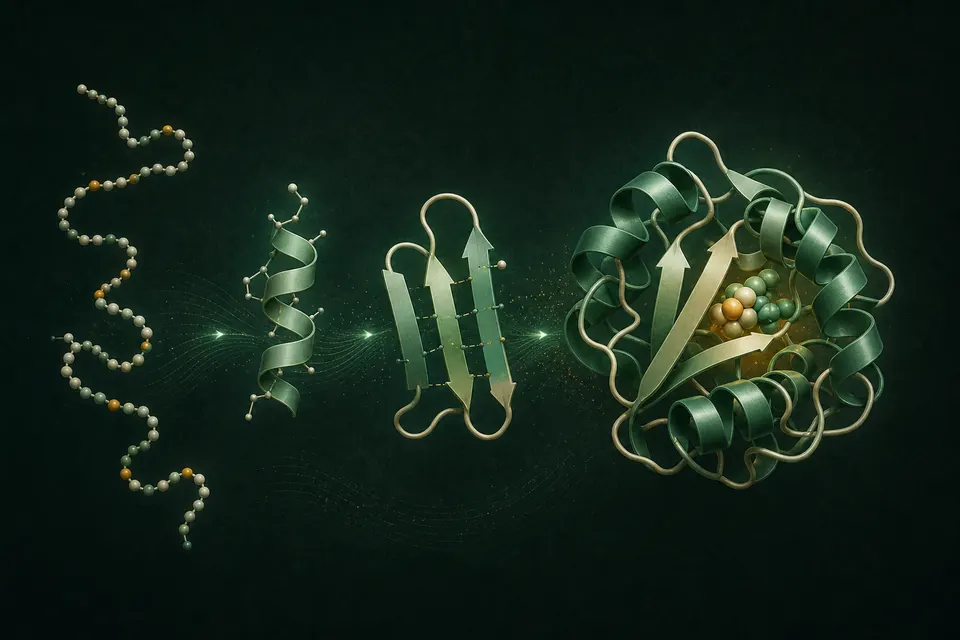
The process by which an amino-acid chain acquires the three-dimensional structure needed for biological function.
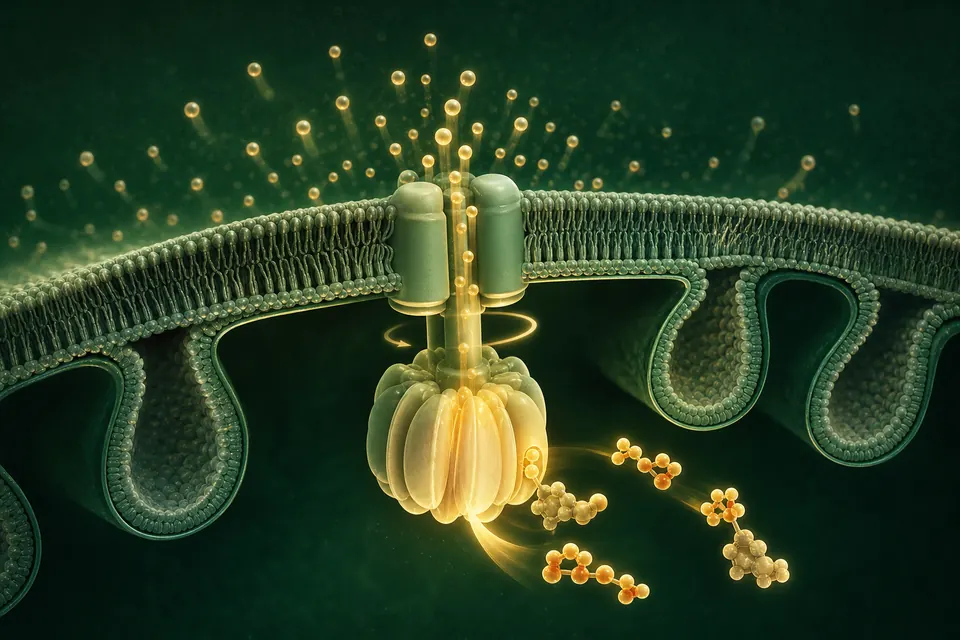
How electron transport and a proton gradient power ATP production across the inner mitochondrial membrane.