Algebraic Geometry
The study of geometric spaces defined by polynomial equations using tools that connect shape, algebra and arithmetic.
SCIENDIA Knowledge Desk
Read article
A living academic reference written, refined and transparently versioned by the Sciendia community.
Collaborative knowledgeSearch
24 results
Wiki pages are public to read. Every signed-in member can create and improve them.
Clear searchThe study of geometric spaces defined by polynomial equations using tools that connect shape, algebra and arithmetic.
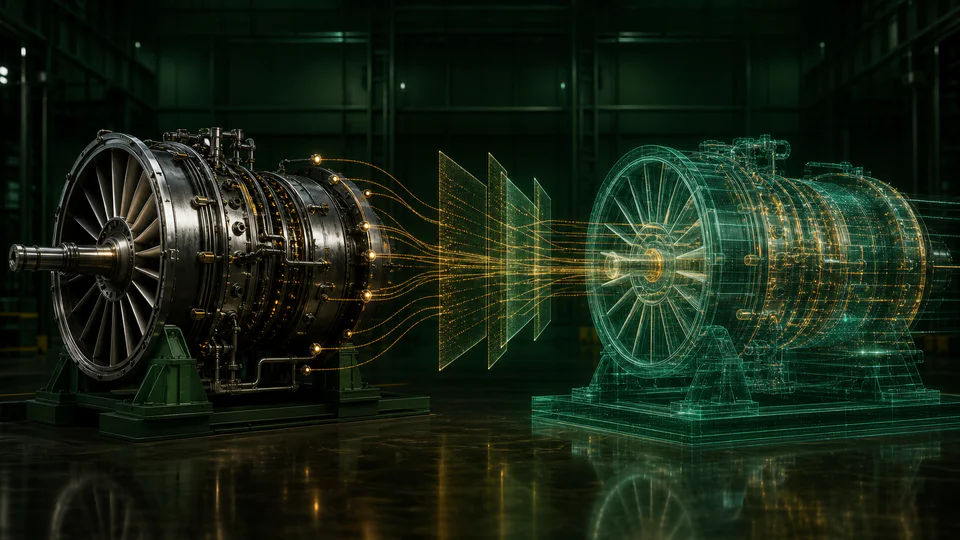
Continuously updated computational representations of physical assets or processes used to estimate state, test scenarios and guide decisions.
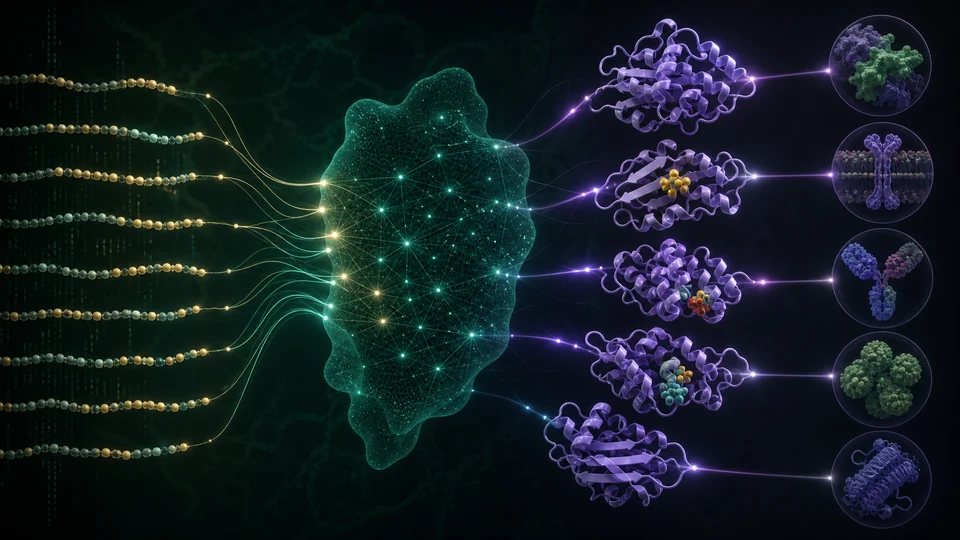
Machine-learning models that learn statistical representations of amino-acid sequences for prediction and molecular design.
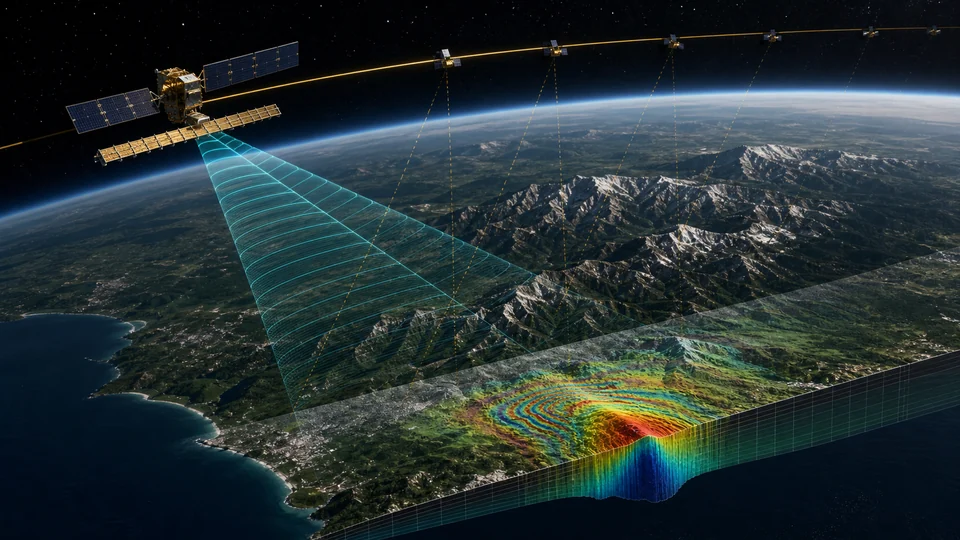
Active microwave imaging that combines echoes collected along a moving platform to achieve fine spatial resolution.
Methods that quantify connected components, loops and higher-dimensional voids in data across a range of spatial scales.
The control of very small fluid volumes in engineered channels for analysis, synthesis and biological experimentation.
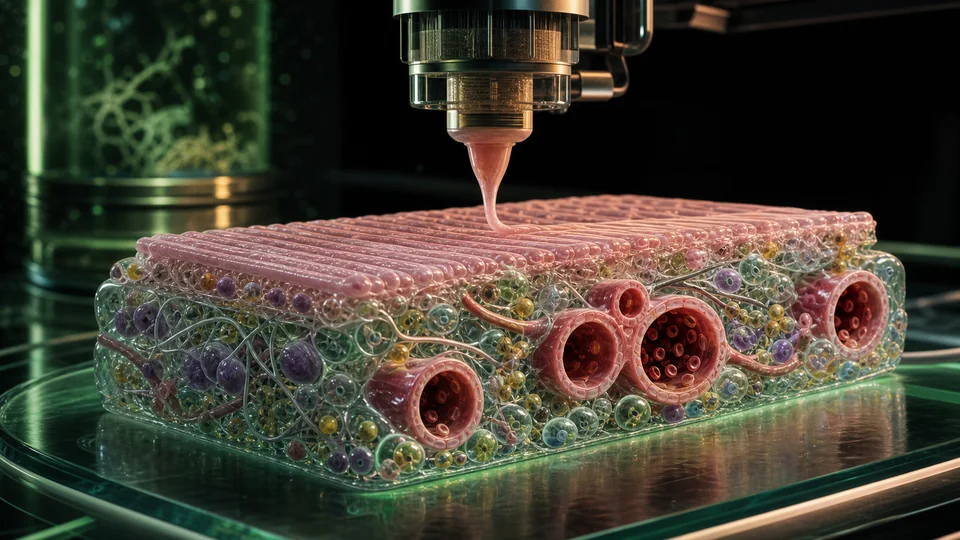
Layer-by-layer fabrication of living tissue constructs using cells, biomaterials and spatially controlled deposition.
A mathematical framework for transforming one distribution into another while minimising a defined movement cost.
Irregular, multiscale fluid motion in which nonlinear interactions transport momentum, heat and energy across a hierarchy of eddies.
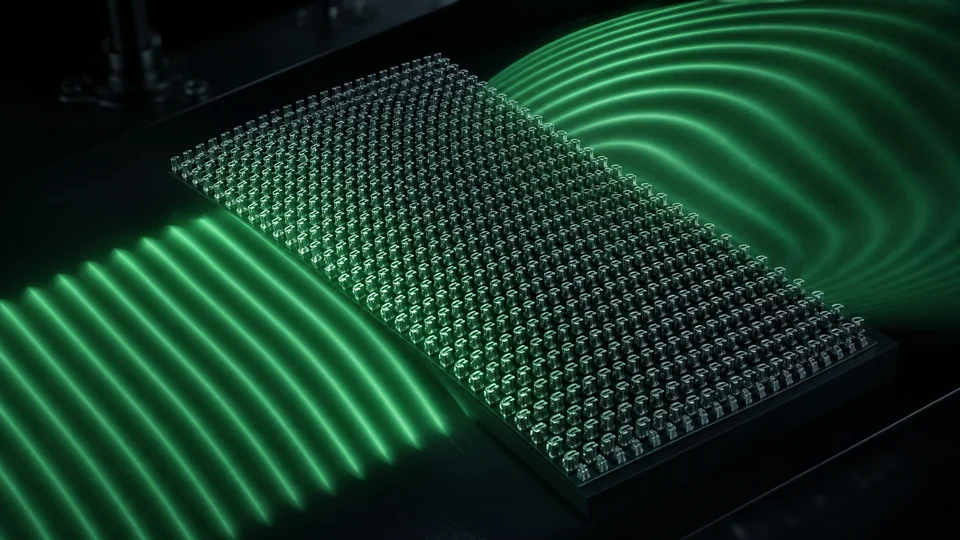
Engineered structures whose collective wave response is governed primarily by subwavelength geometry rather than bulk composition alone.
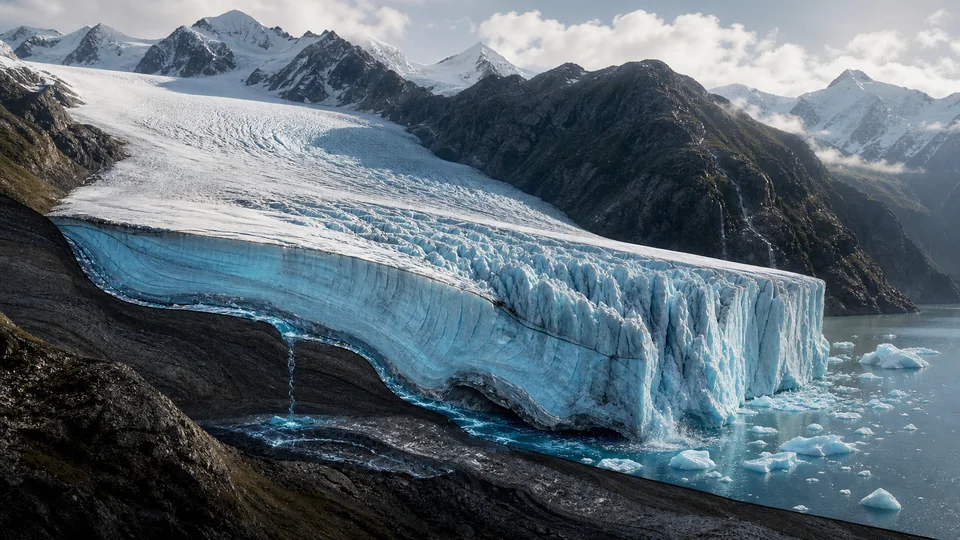
The deformation, sliding and mass exchange that govern how land ice flows from accumulation zones toward its margins.
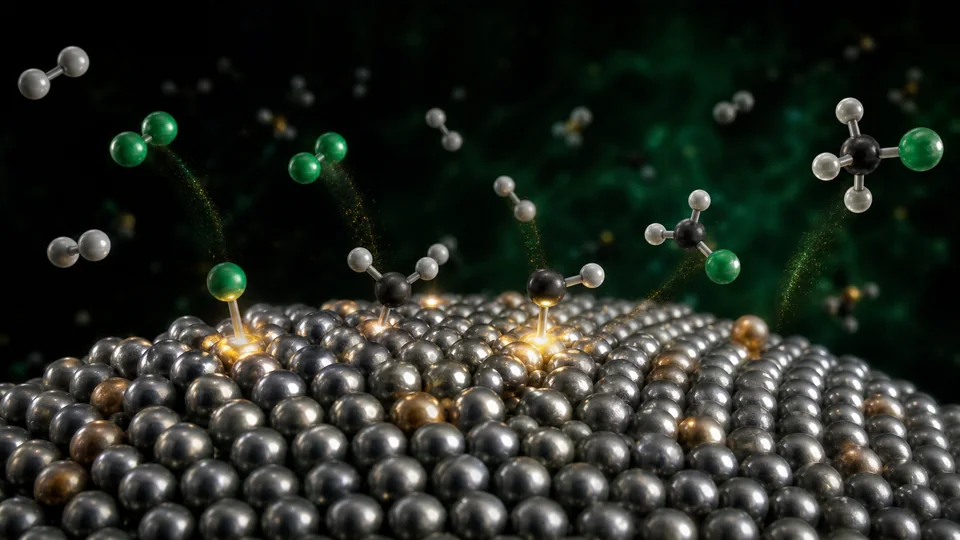
Chemical acceleration at an interface where reactants and catalyst occupy different physical phases.
The name given to the component or gravitational effect associated with the accelerating expansion of the universe.
Three-dimensional, self-organising cell cultures that reproduce selected structural and functional features of organs.
The deflection and magnification of light by curved spacetime around intervening mass distributions.
The algorithmic creation of amino-acid sequences expected to fold into structures with specified biochemical functions.
The coupled flow, degassing and fragmentation processes that govern how magma reaches the surface and erupts.
The controlled release of nuclear binding energy by combining light nuclei under extreme temperature and confinement.
Methods for identifying and characterising planets orbiting stars beyond the Solar System.
Einstein's geometric theory of gravity, in which matter and energy shape spacetime and free objects follow its geometry.
Positive integers greater than one whose only positive divisors are one and themselves.
Rotating, heated flows of matter that release energy while spiralling toward a black hole.
Layered computational models that learn distributed representations by adjusting weighted connections from data.
The framework that explains the motion of Earth's lithospheric plates and the concentration of geological activity at their boundaries.