Behavioral Economics
The study of economic decisions using psychologically informed evidence about attention, beliefs, preferences and social context.
SCIENDIA Knowledge Desk
Read article
A living academic reference written, refined and transparently versioned by the Sciendia community.
Collaborative knowledgeSearch
54 results Page 1/3
Wiki pages are public to read. Every signed-in member can create and improve them.
Clear searchThe study of economic decisions using psychologically informed evidence about attention, beliefs, preferences and social context.
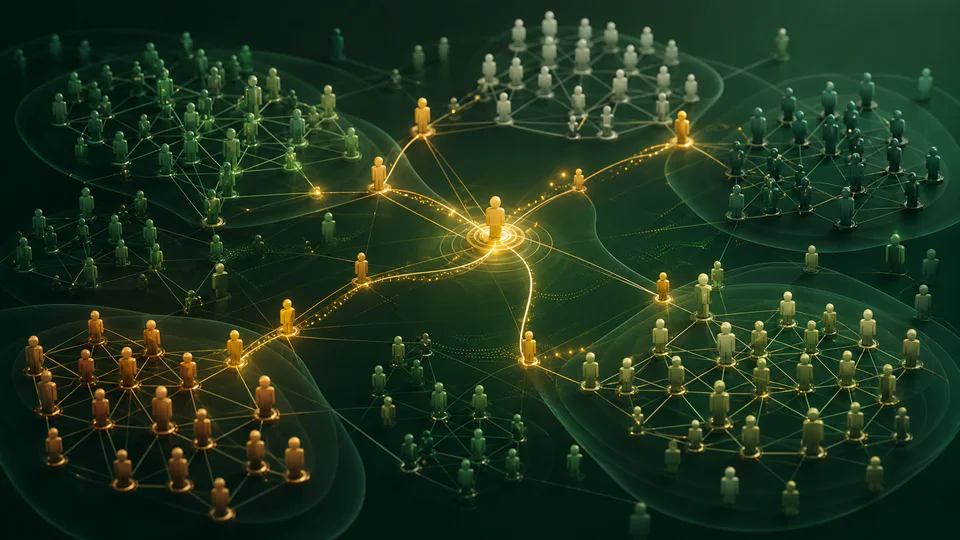
The quantitative study of relationships among people, organisations or communities and how network structure shapes social processes.
Coastal vegetated habitats such as mangroves, salt marshes and seagrass meadows that capture and store substantial carbon in biomass and sediments.
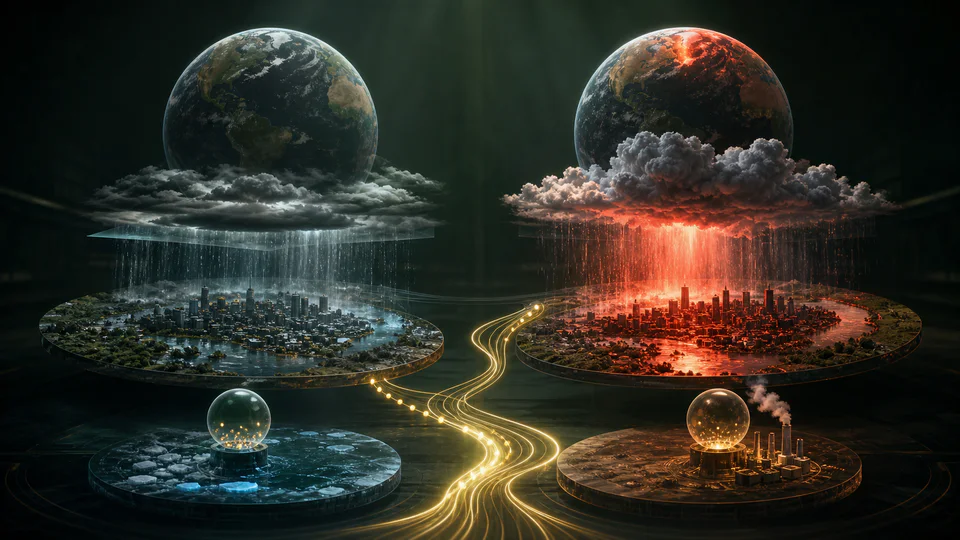
Quantitative analysis of how human-caused climate change altered the probability or intensity of a particular weather or climate extreme.
Production of hydrogen by splitting water with electricity whose life-cycle emissions are kept low through renewable energy and responsible system design.
Continuously updated computational representations of physical assets or processes used to estimate state, test scenarios and guide decisions.
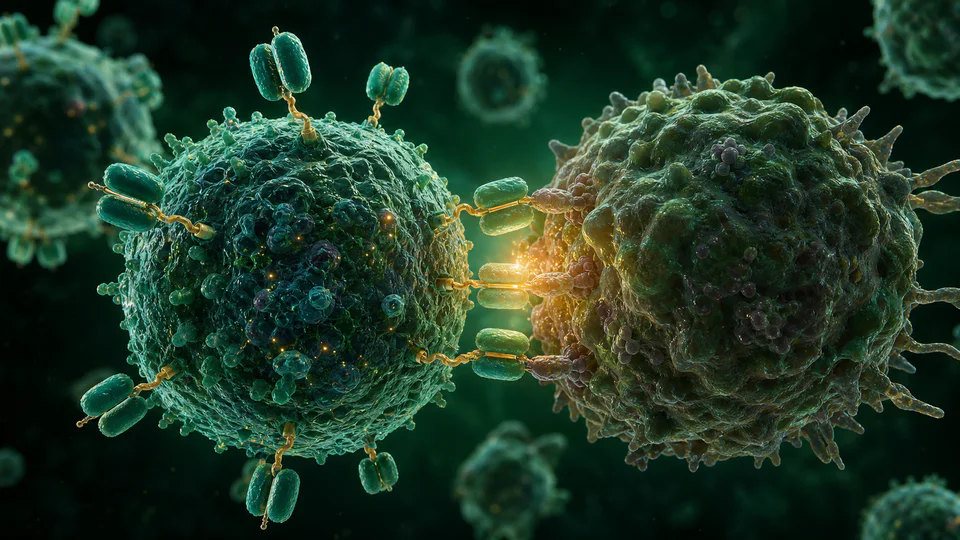
Cell therapy in which a patient's or donor's T cells are engineered with a synthetic receptor that recognises a selected disease antigen.
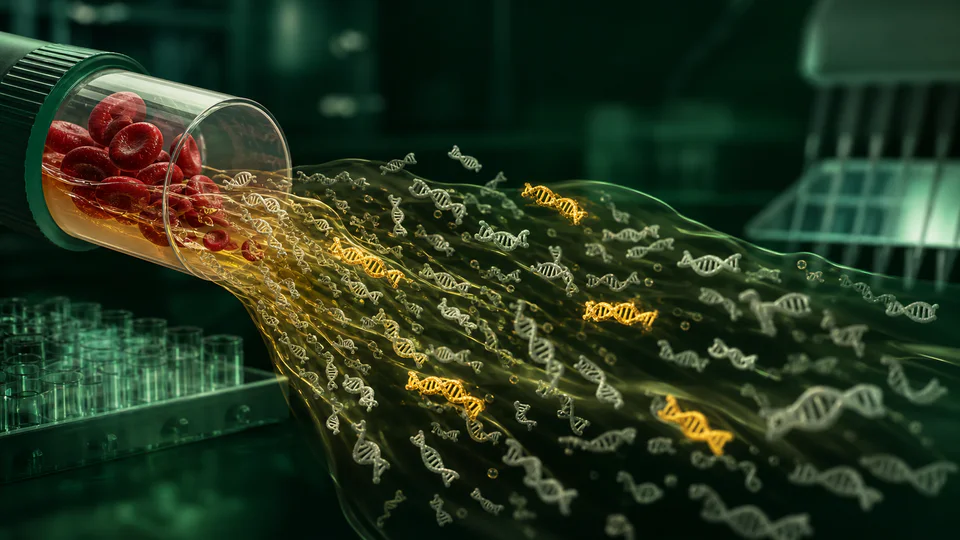
Analysis of tumour-derived DNA, cells, vesicles or other biomarkers in blood and body fluids to characterise cancer non-invasively.
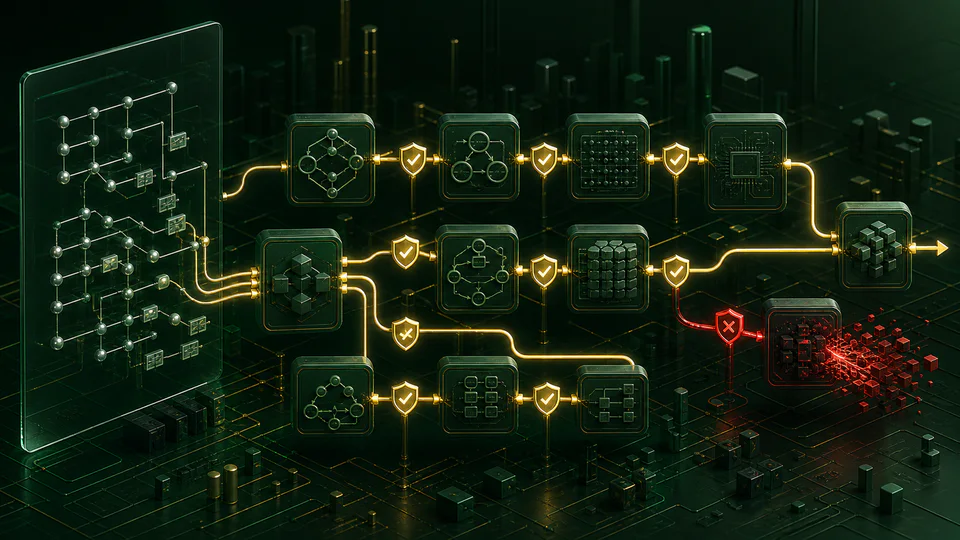
Mathematical methods for proving that hardware, software or protocols satisfy precisely stated properties under explicit assumptions.
Systems that retrieve external evidence at query time and supply it to a generative language component before producing an answer.
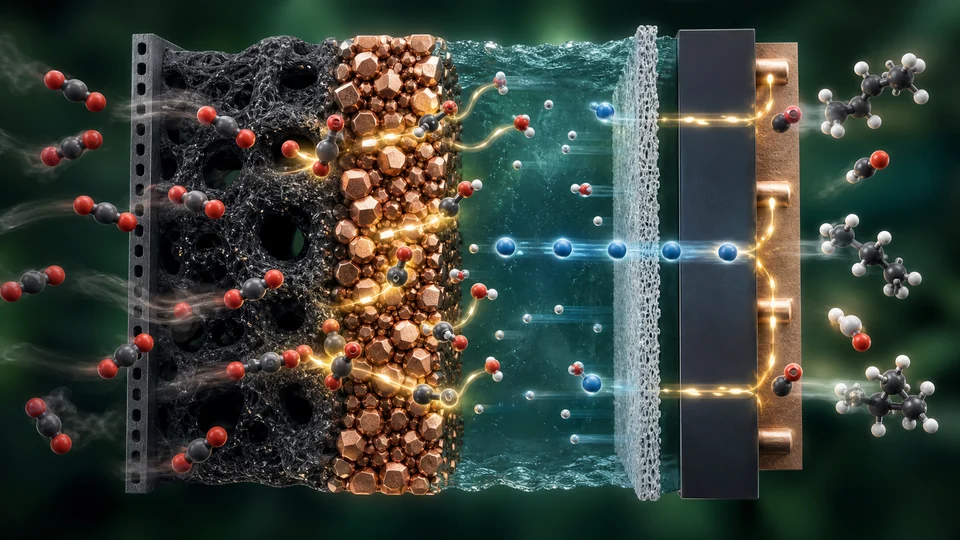
The use of electricity, catalysts and electrochemical interfaces to convert carbon dioxide into chemical products.
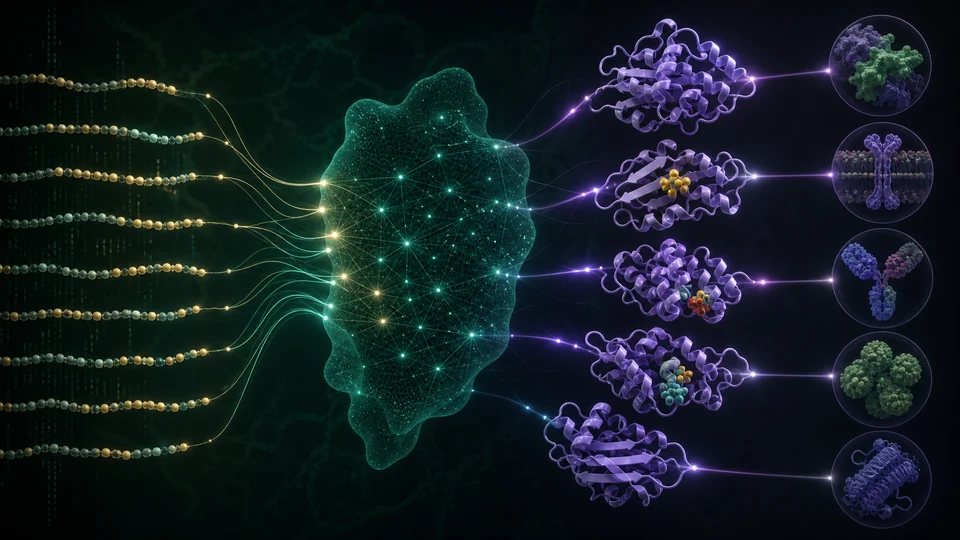
Machine-learning models that learn statistical representations of amino-acid sequences for prediction and molecular design.
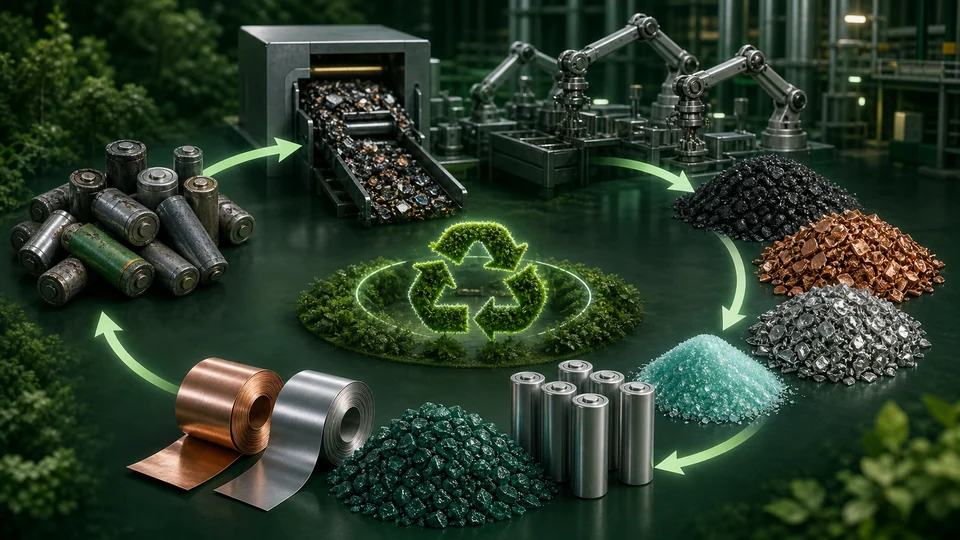
Processes that recover materials and functional components from spent batteries for safe treatment and renewed production.
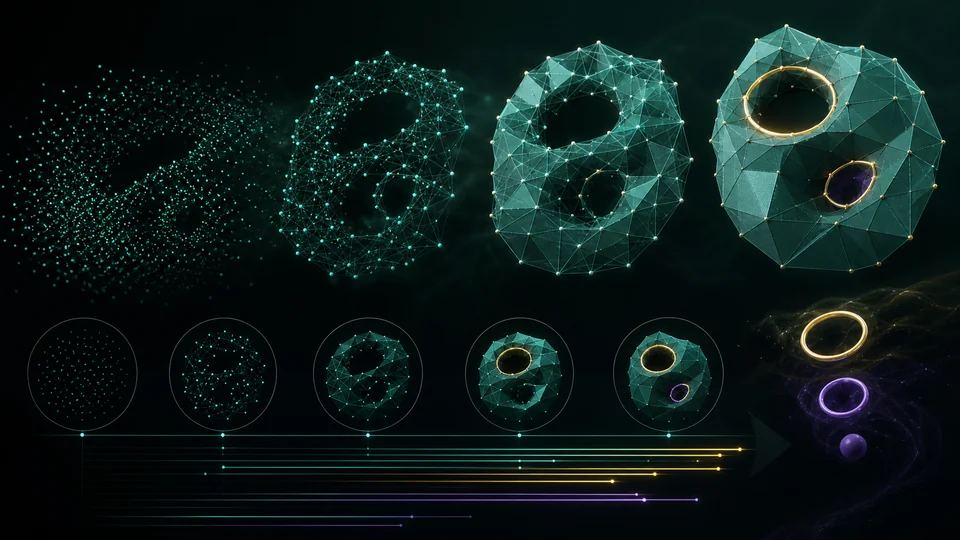
Methods that quantify connected components, loops and higher-dimensional voids in data across a range of spatial scales.
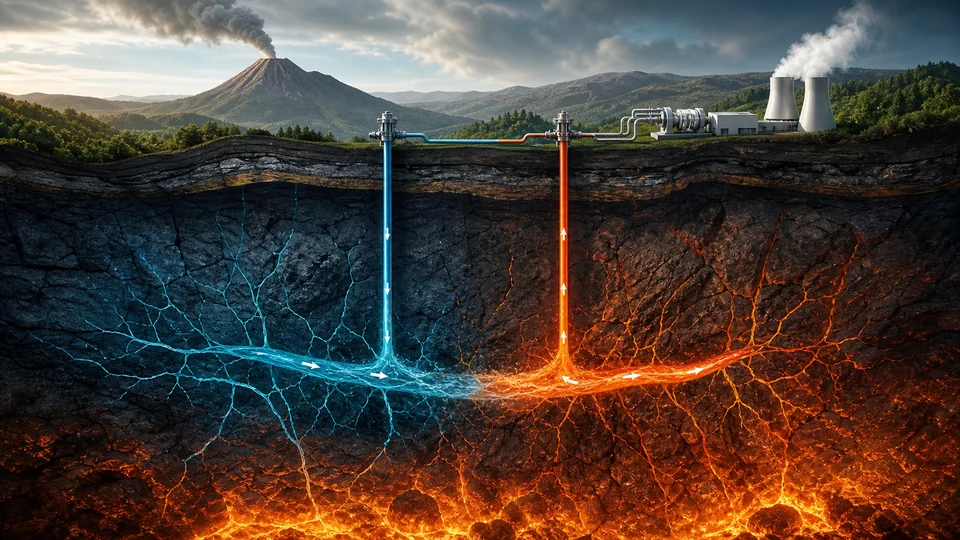
The characterisation and management of subsurface heat, fluids and fractures for durable geothermal energy production.
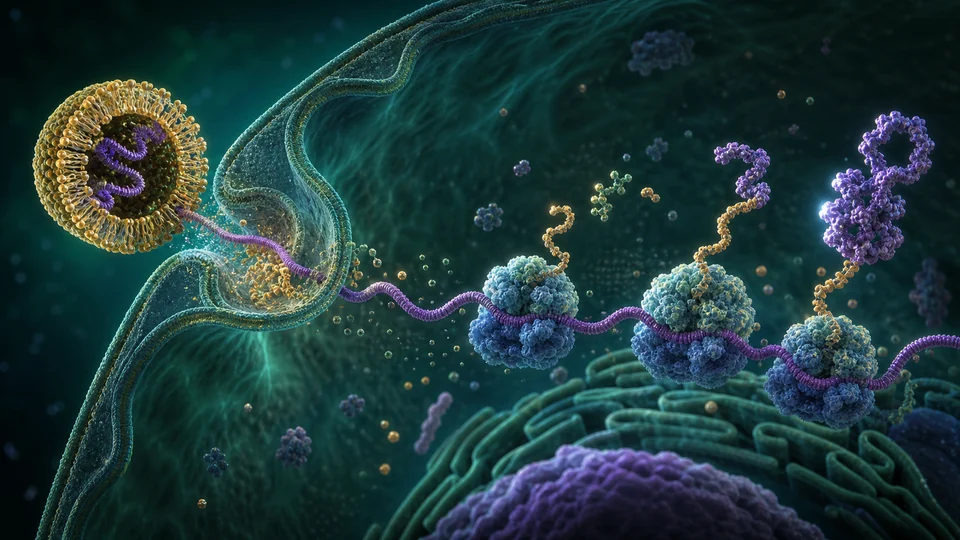
Medicines that deliver engineered messenger RNA so cells transiently produce a therapeutic protein or antigen.
The capacity of a planetary environment to sustain conditions compatible with life over relevant places and times.
Cryptographic protocols that prove a statement is true without revealing the secret witness that makes it true.
A mathematical framework for transforming one distribution into another while minimising a defined movement cost.
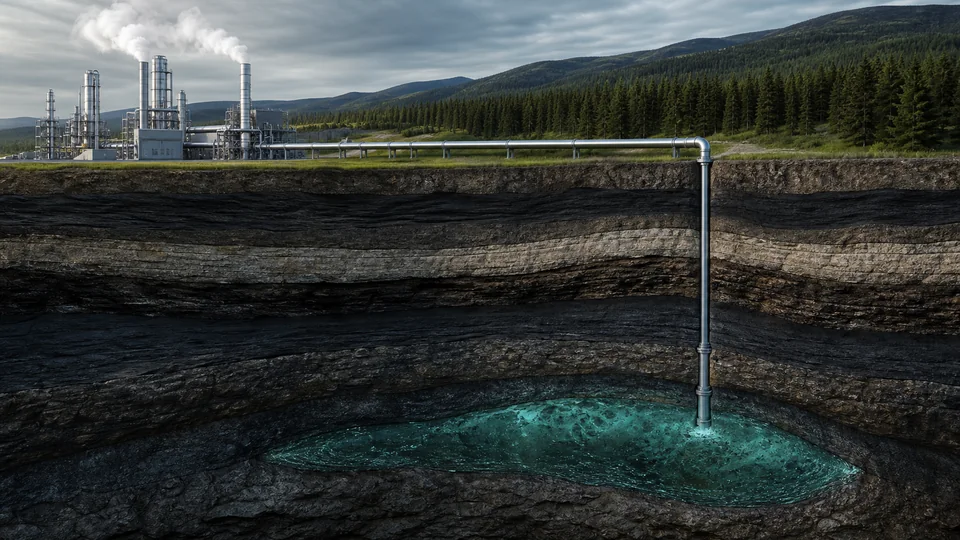
The separation of carbon dioxide from concentrated sources or air followed by transport and long-term geological containment.
Methods that measure gene expression while preserving the locations and neighbourhoods of cells within tissue.
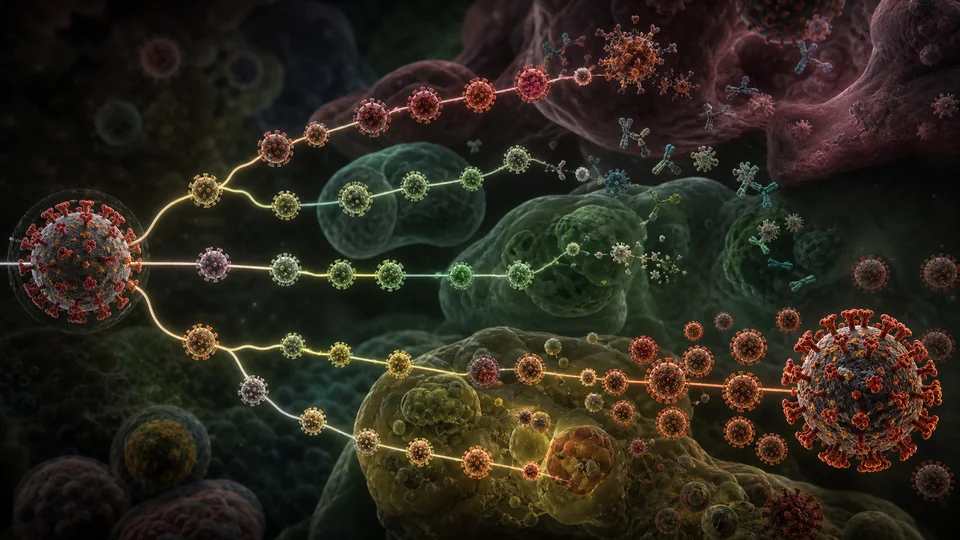
The change of viral populations through mutation, selection, recombination, migration and genetic drift across hosts and time.
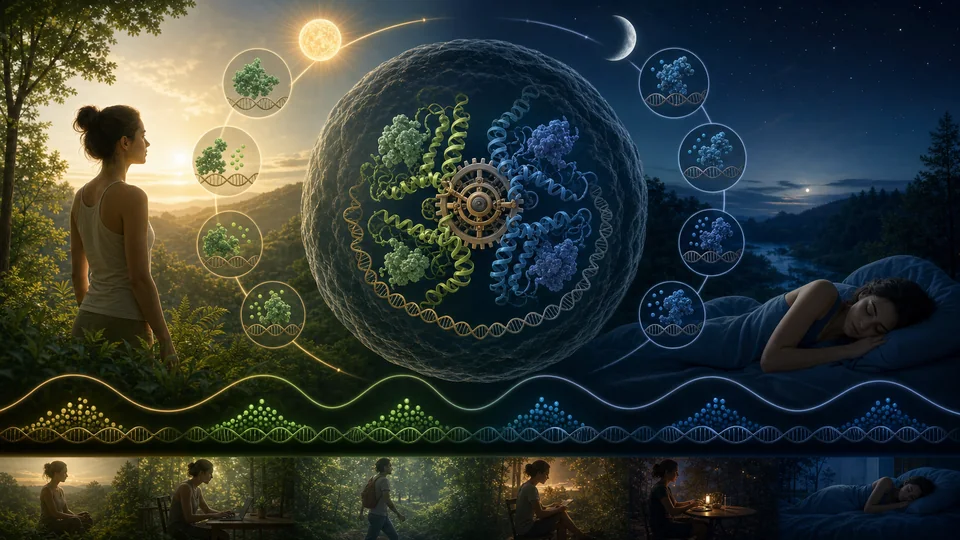
Endogenous biological cycles near twenty-four hours that coordinate physiology and behaviour with environmental time.
The framework that combines quantum mechanics with special relativity by treating particles as excitations of underlying fields.