Stochastic Differential Equations
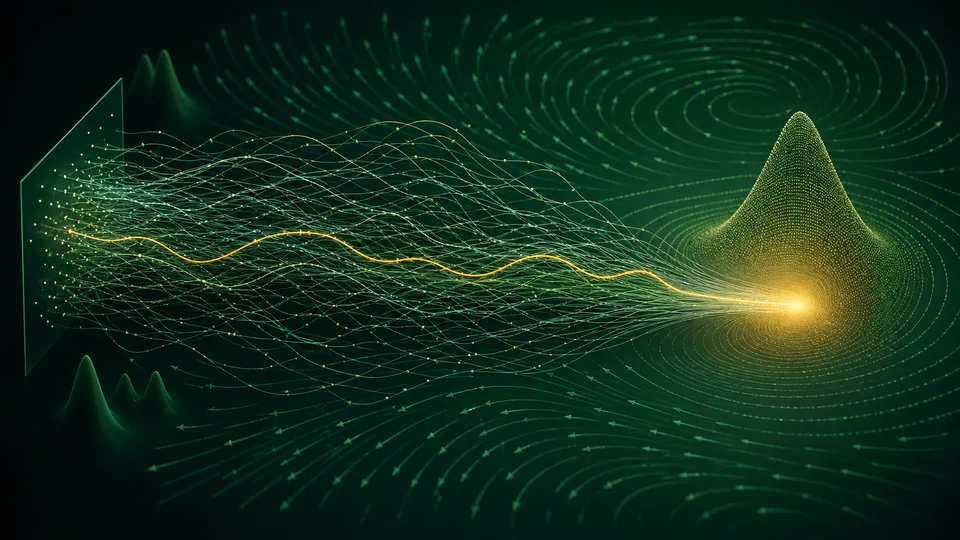
Differential equations that combine deterministic evolution with random forcing to represent systems influenced by continuous uncertainty.
SCIENDIA Knowledge Desk
Read article
A living academic reference written, refined and transparently versioned by the Sciendia community.
Collaborative knowledgeSearch
26 results Page 1/2
Wiki pages are public to read. Every signed-in member can create and improve them.
Clear searchDifferential equations that combine deterministic evolution with random forcing to represent systems influenced by continuous uncertainty.
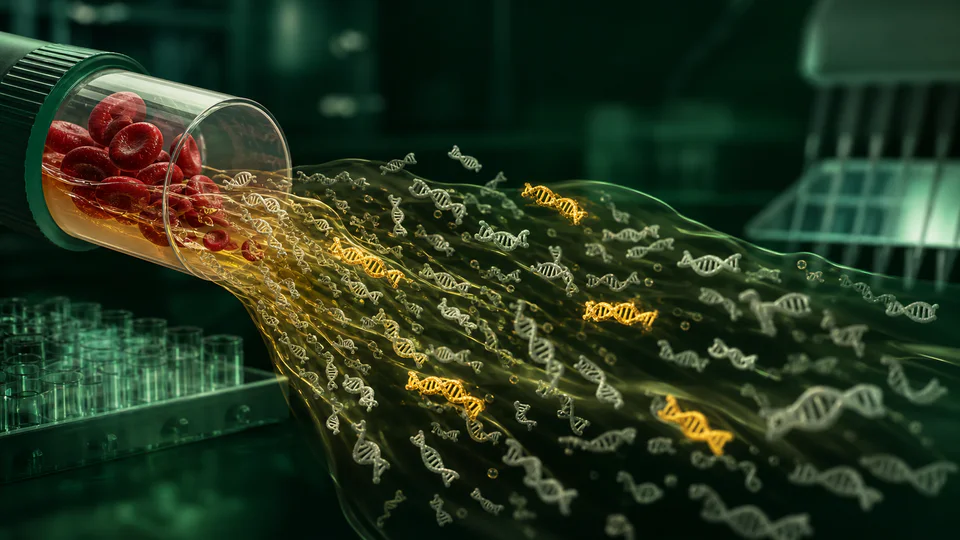
Analysis of tumour-derived DNA, cells, vesicles or other biomarkers in blood and body fluids to characterise cancer non-invasively.
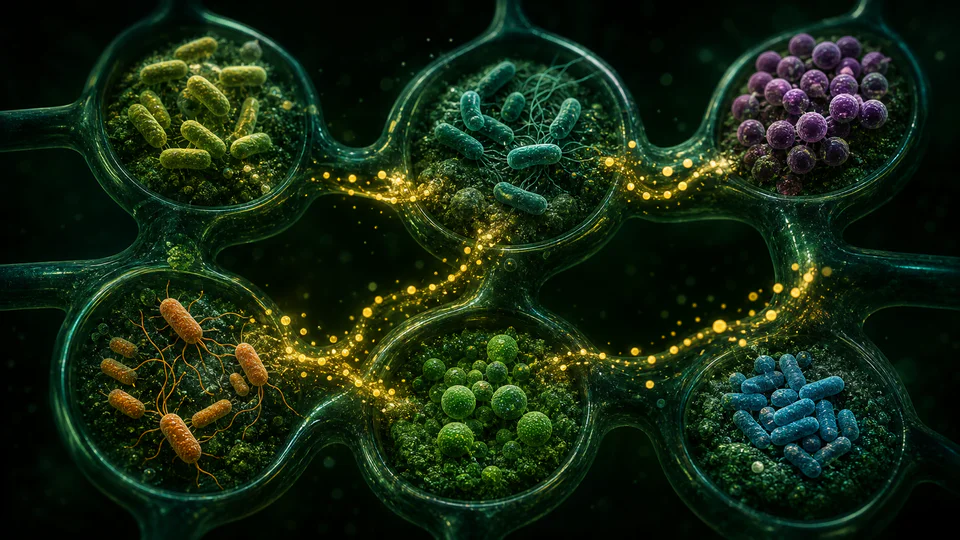
Designed groups of microbial species used to study and engineer ecological interactions with controlled membership and function.
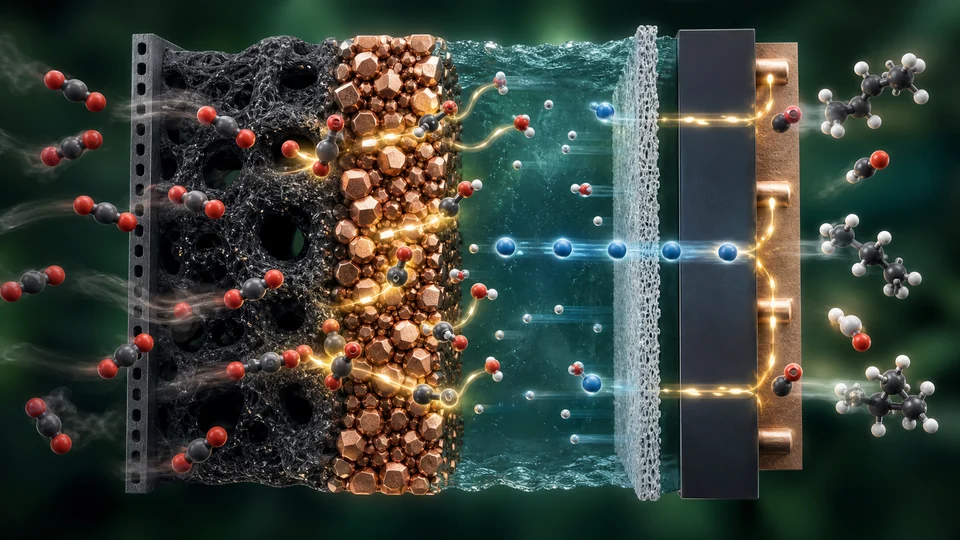
The use of electricity, catalysts and electrochemical interfaces to convert carbon dioxide into chemical products.
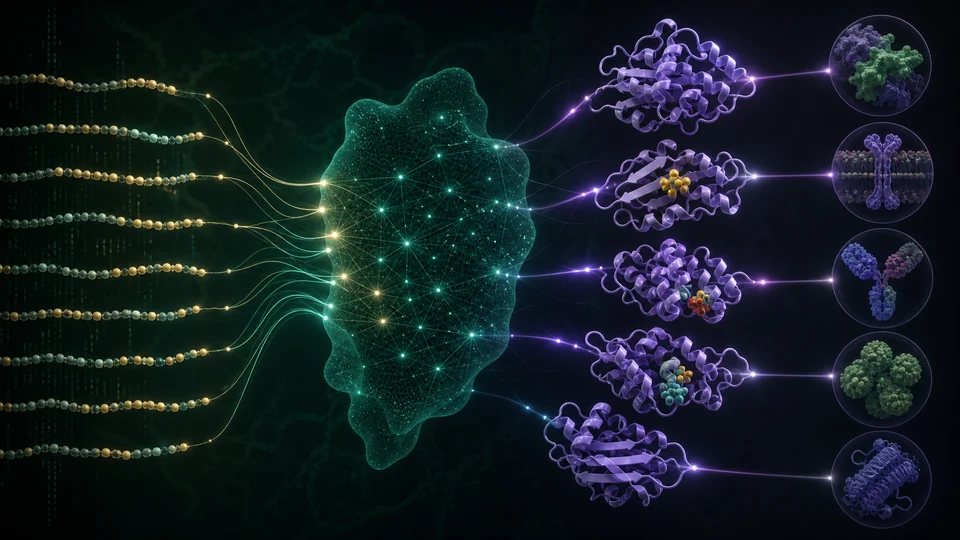
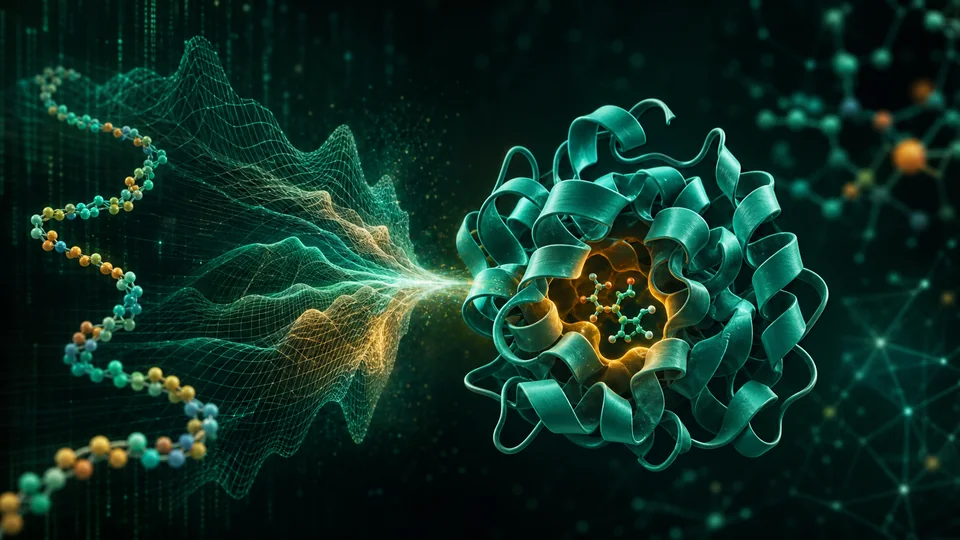
Machine-learning models that learn statistical representations of amino-acid sequences for prediction and molecular design.
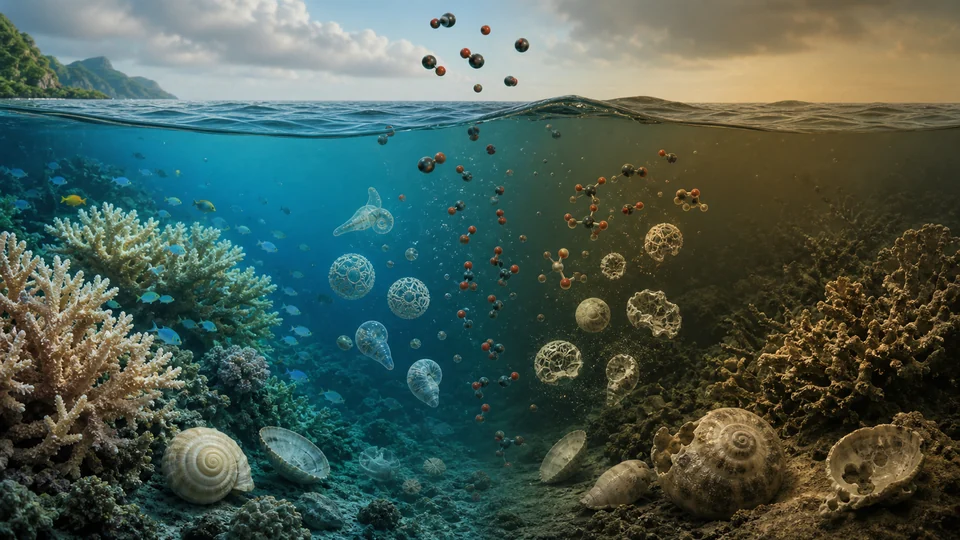
The long-term shift in seawater carbonate chemistry caused primarily by ocean uptake of anthropogenic carbon dioxide.
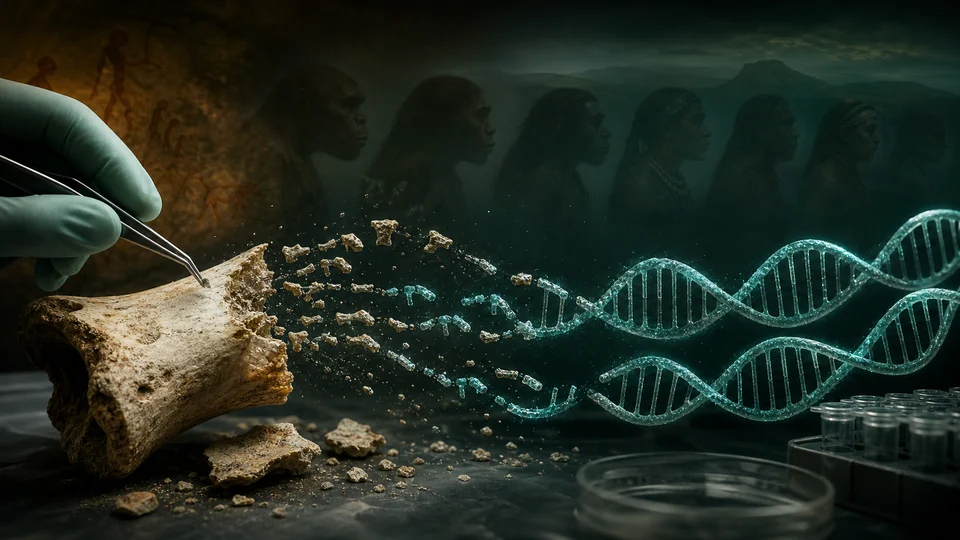
The reconstruction and analysis of genomes from ancient biological remains to study populations, evolution and disease through time.
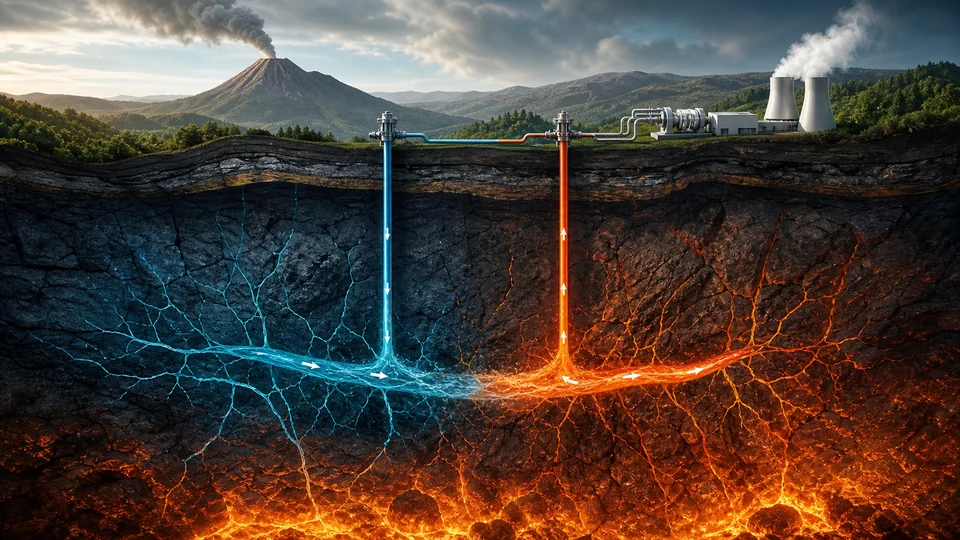
The characterisation and management of subsurface heat, fluids and fractures for durable geothermal energy production.
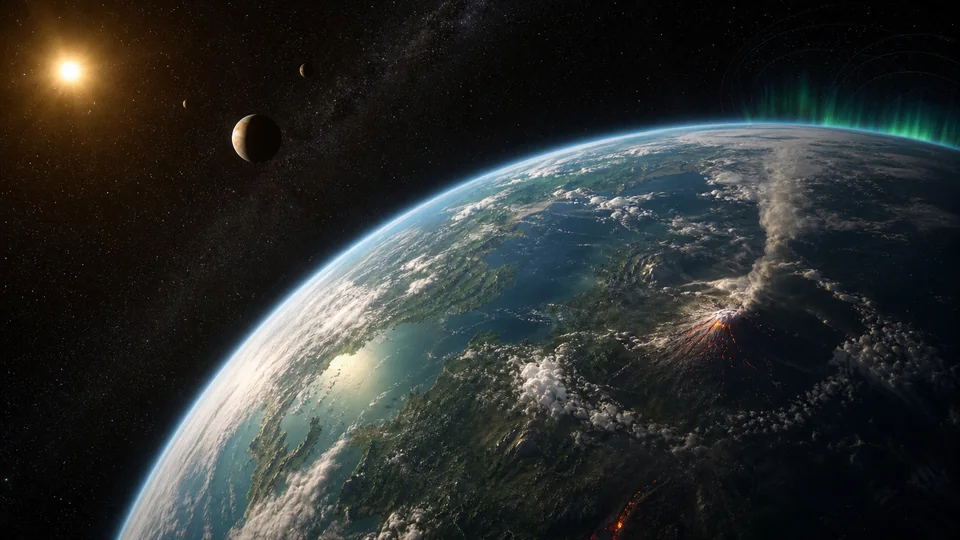
The capacity of a planetary environment to sustain conditions compatible with life over relevant places and times.
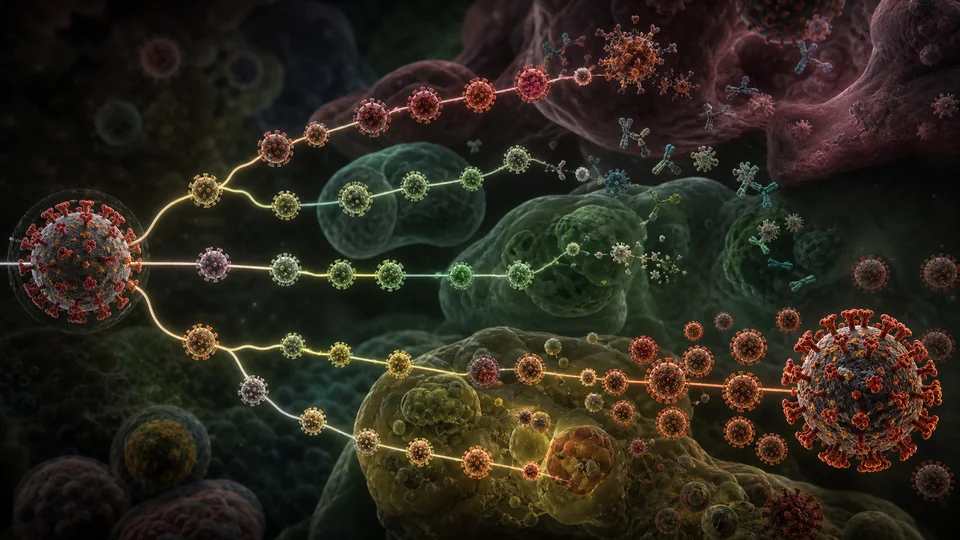
The change of viral populations through mutation, selection, recombination, migration and genetic drift across hosts and time.
The production and transformation of atomic nuclei through fusion, capture and decay processes inside stars and stellar explosions.
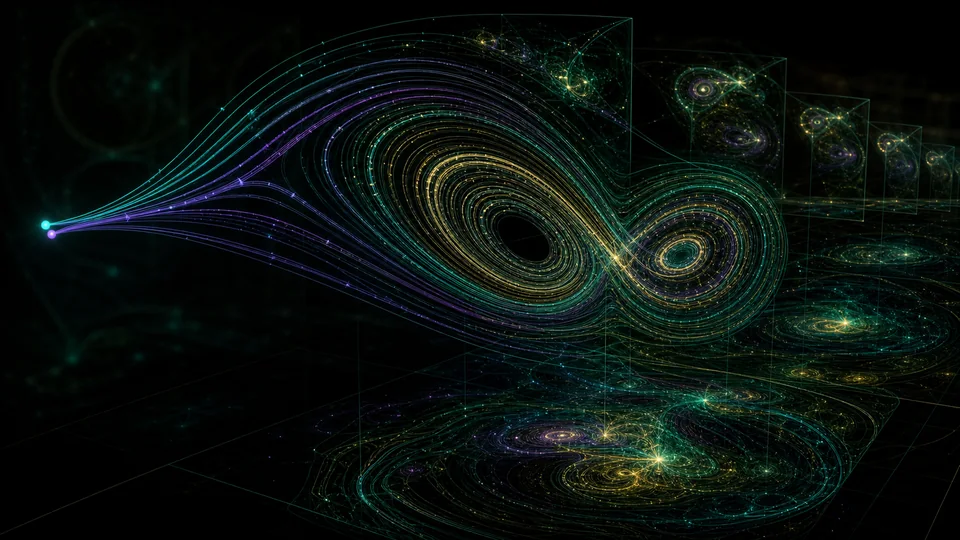
The study of deterministic nonlinear systems whose trajectories can become unpredictable through sensitive dependence on initial conditions.
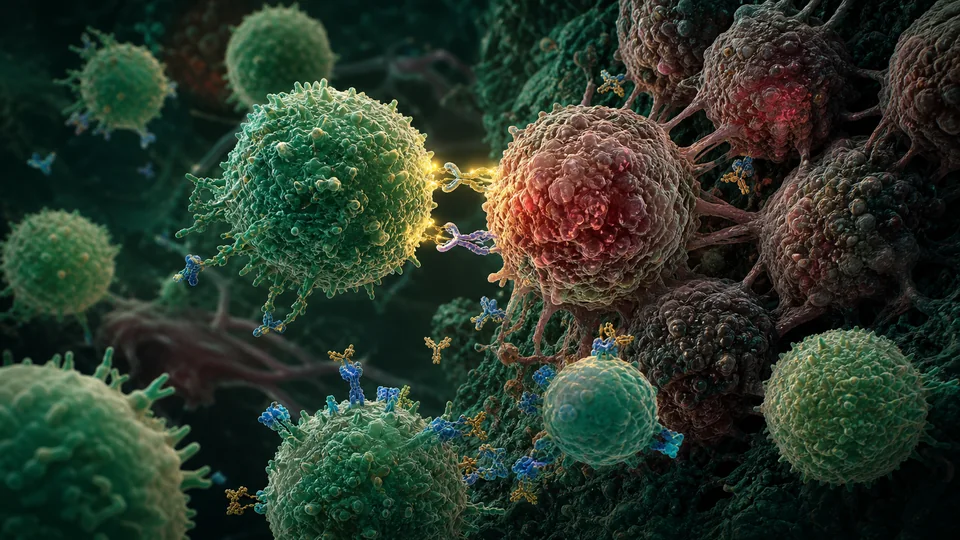
Treatments that redirect, strengthen or release immune responses to recognise and control malignant cells.
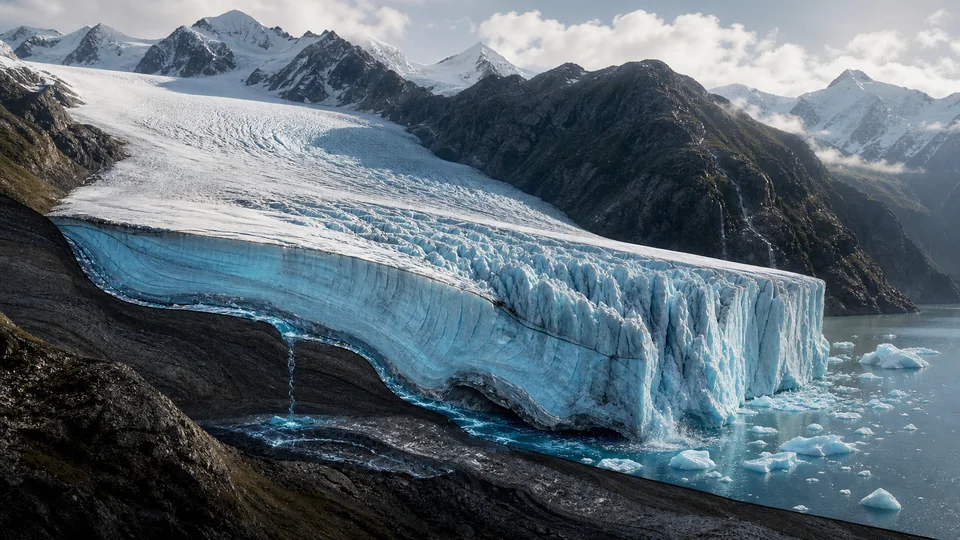
The deformation, sliding and mass exchange that govern how land ice flows from accumulation zones toward its margins.
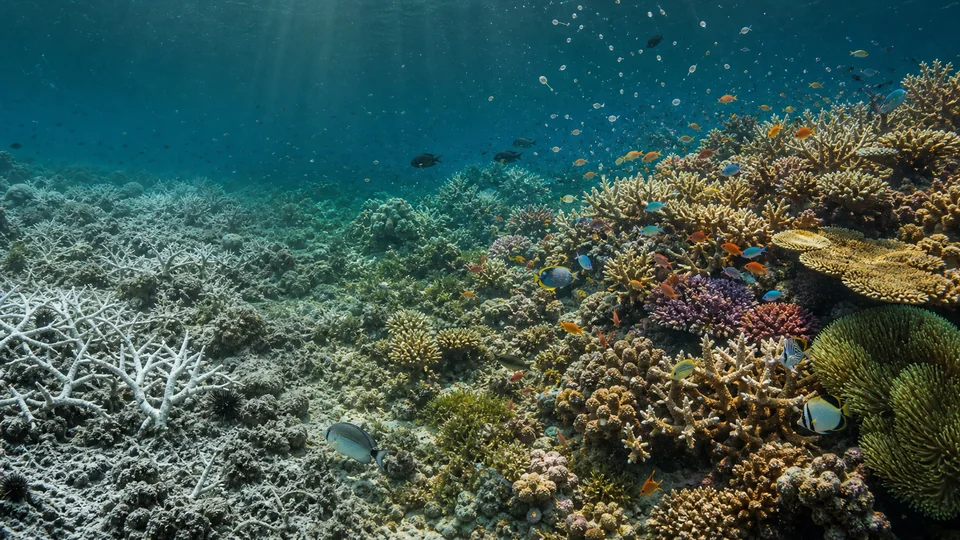
The capacity of reef ecosystems to resist disturbance, recover structure and retain ecological function under environmental change.
The quantum-mechanical transformation of neutrinos among electron, muon and tau flavours during propagation.
The algorithmic creation of amino-acid sequences expected to fold into structures with specified biochemical functions.
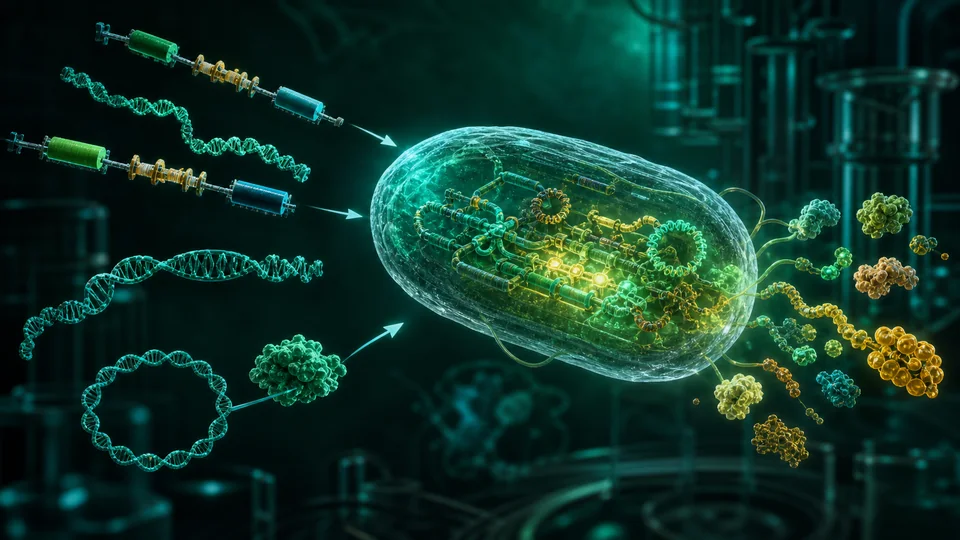
The design and construction of biological systems using engineering principles, quantitative models and molecular tools.
Methods for identifying and characterising planets orbiting stars beyond the Solar System.
Einstein's geometric theory of gravity, in which matter and energy shape spacetime and free objects follow its geometry.
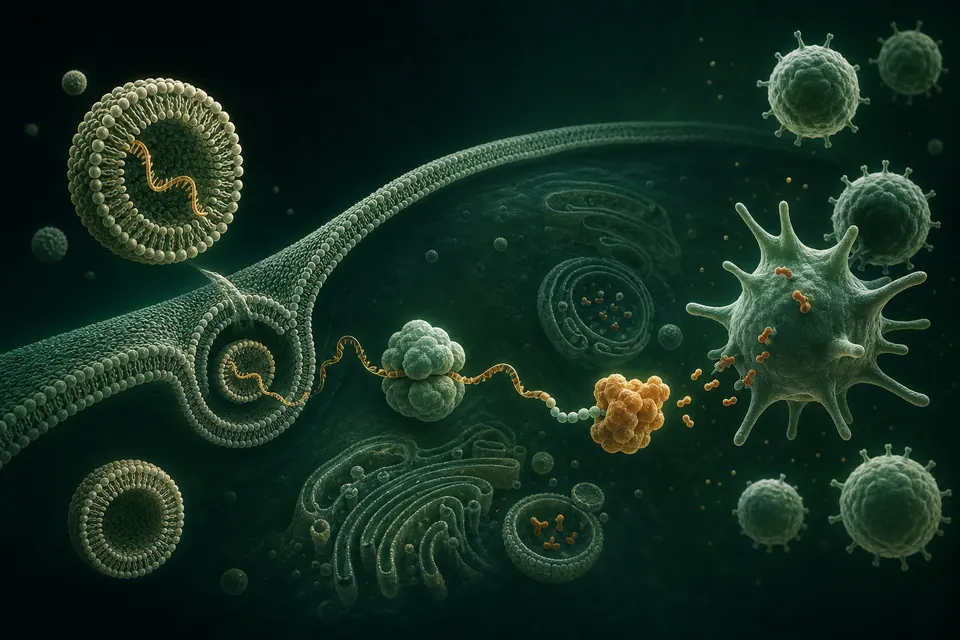
Vaccines that deliver temporary genetic instructions so cells produce an antigen and train adaptive immunity.
Variation within species, among species and across ecosystems, together with the interactions that sustain ecological function.
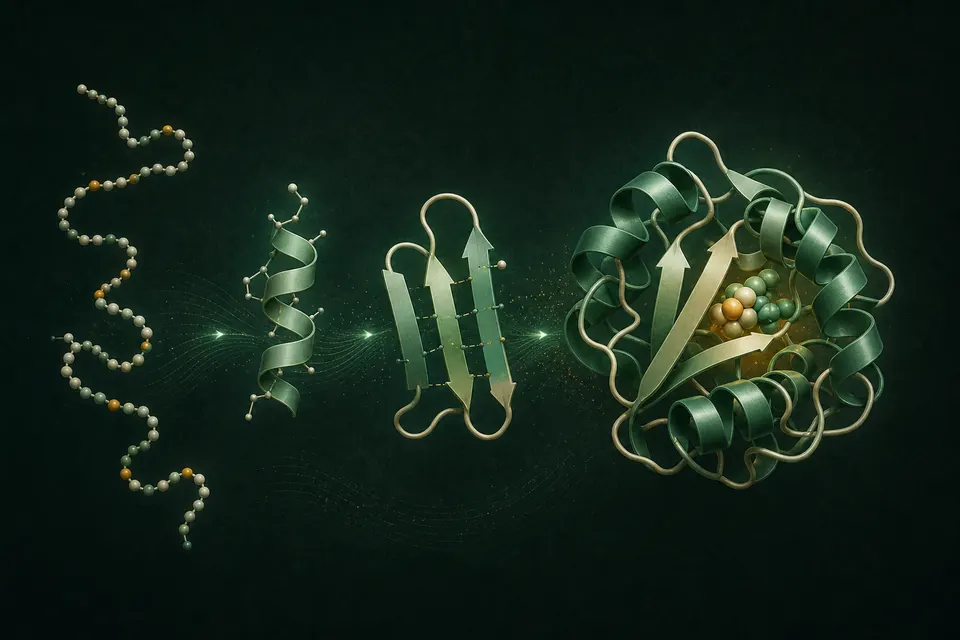
The process by which an amino-acid chain acquires the three-dimensional structure needed for biological function.
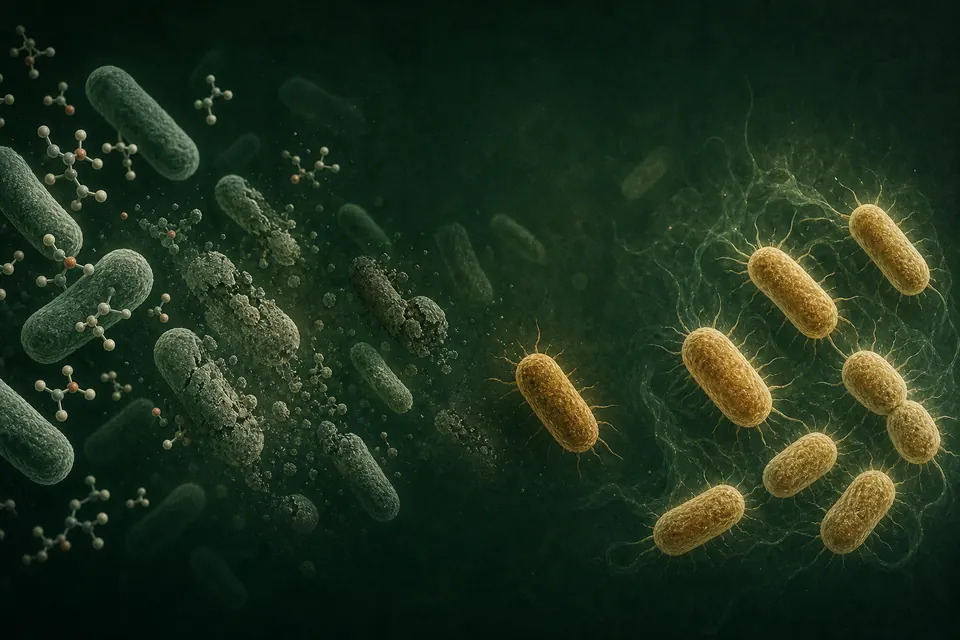
The inherited ability of microorganisms to survive or grow at drug concentrations that would normally inhibit them.