Behavioral Economics
The study of economic decisions using psychologically informed evidence about attention, beliefs, preferences and social context.
SCIENDIA Knowledge Desk
Read article
A living academic reference written, refined and transparently versioned by the Sciendia community.
Collaborative knowledgeSearch
100 results Page 1/5
Wiki pages are public to read. Every signed-in member can create and improve them.
The study of economic decisions using psychologically informed evidence about attention, beliefs, preferences and social context.
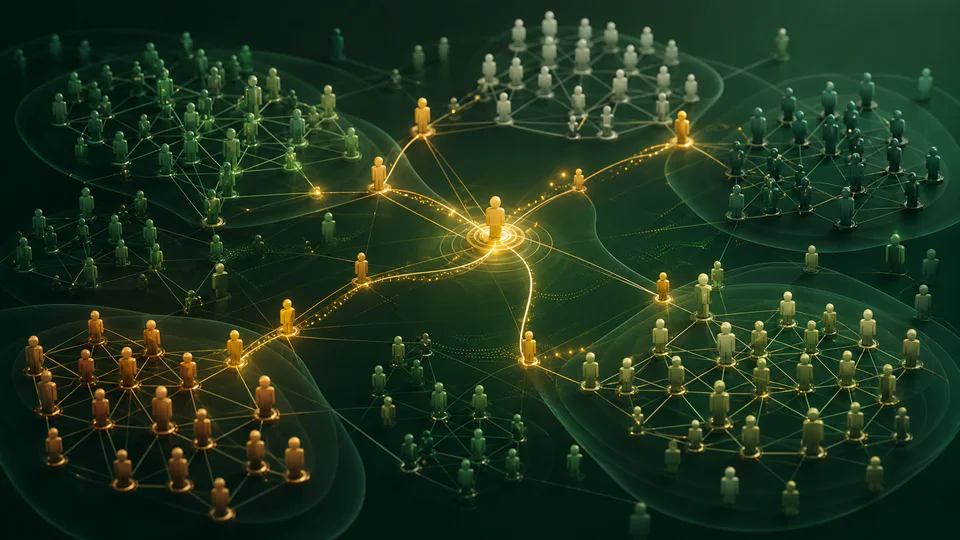
The quantitative study of relationships among people, organisations or communities and how network structure shapes social processes.
The study of geometric spaces defined by polynomial equations using tools that connect shape, algebra and arithmetic.
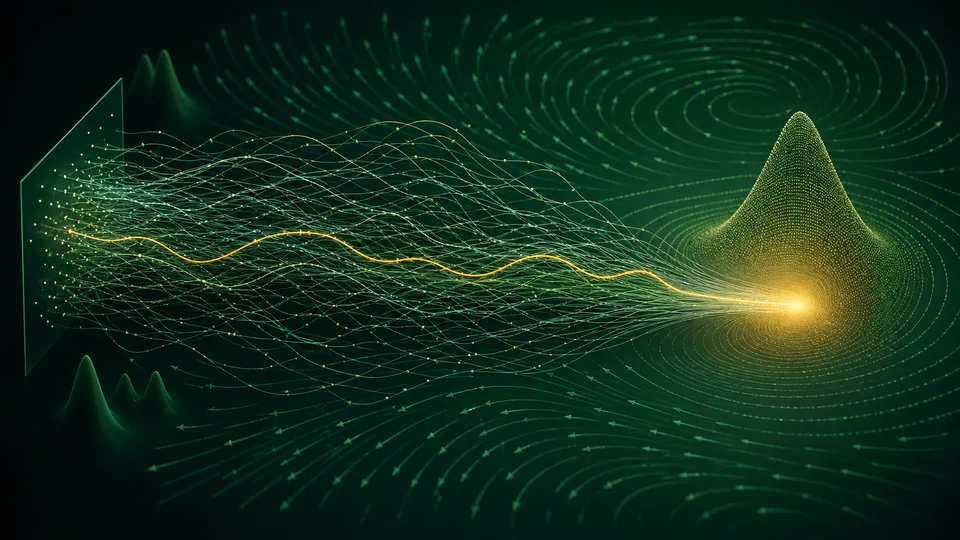
Differential equations that combine deterministic evolution with random forcing to represent systems influenced by continuous uncertainty.
Coastal vegetated habitats such as mangroves, salt marshes and seagrass meadows that capture and store substantial carbon in biomass and sediments.
Quantitative analysis of how human-caused climate change altered the probability or intensity of a particular weather or climate extreme.
Production of hydrogen by splitting water with electricity whose life-cycle emissions are kept low through renewable energy and responsible system design.
Continuously updated computational representations of physical assets or processes used to estimate state, test scenarios and guide decisions.
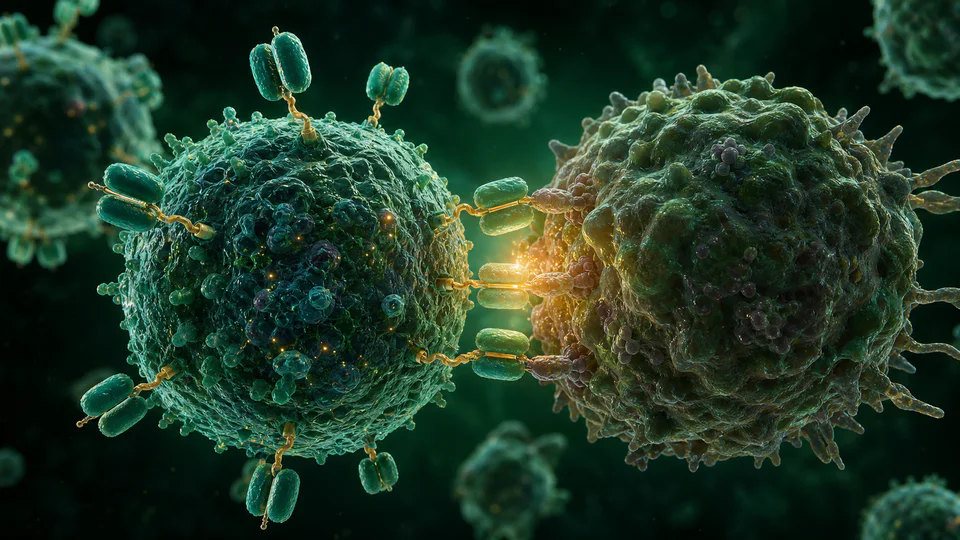
Cell therapy in which a patient's or donor's T cells are engineered with a synthetic receptor that recognises a selected disease antigen.
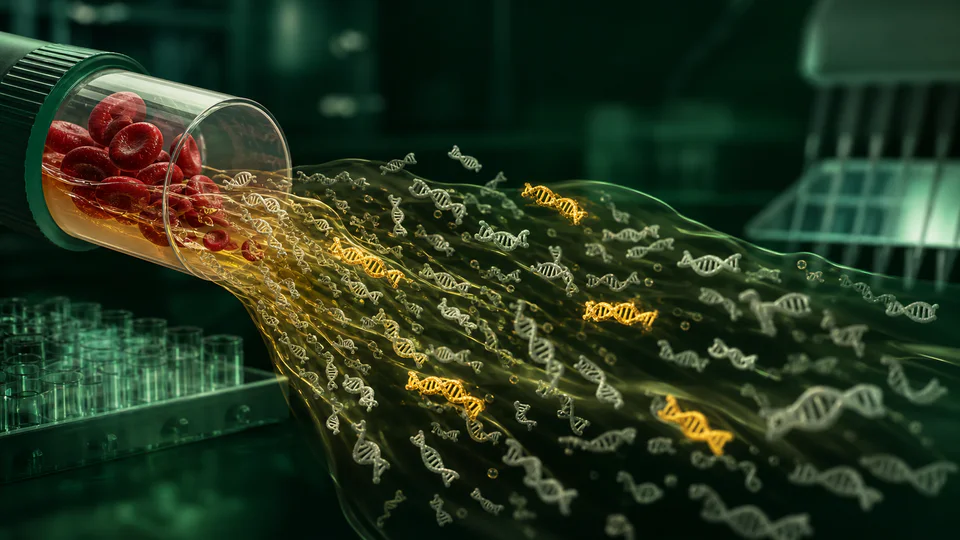
Analysis of tumour-derived DNA, cells, vesicles or other biomarkers in blood and body fluids to characterise cancer non-invasively.
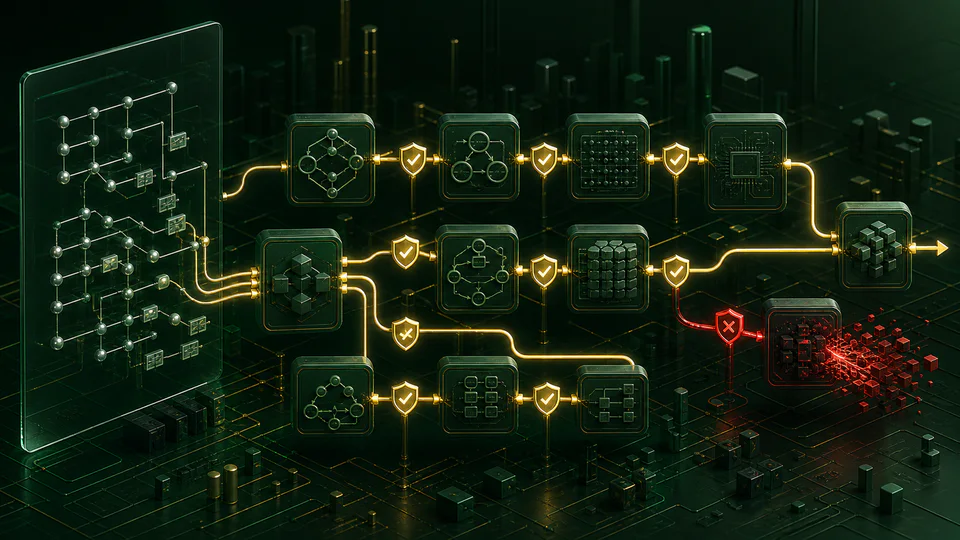
Mathematical methods for proving that hardware, software or protocols satisfy precisely stated properties under explicit assumptions.
Systems that retrieve external evidence at query time and supply it to a generative language component before producing an answer.
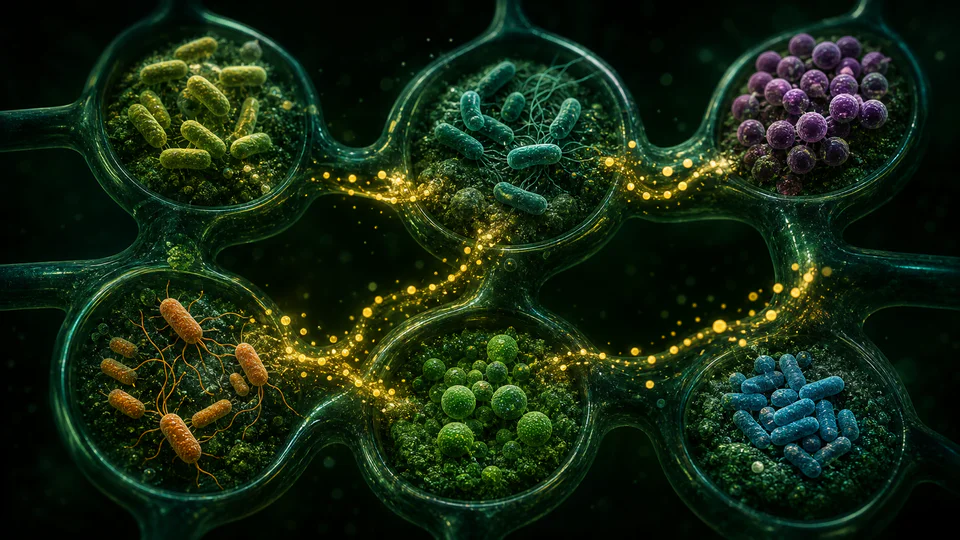
Designed groups of microbial species used to study and engineer ecological interactions with controlled membership and function.
The three-dimensional organisation of DNA, histones and regulatory complexes that helps control genome activity inside the nucleus.
Quantum information processing that encodes, transforms and measures qubits in individual photons and optical modes.
Experiments that test whether extremely light, weakly interacting axions or axion-like particles constitute the unseen matter in galaxies.
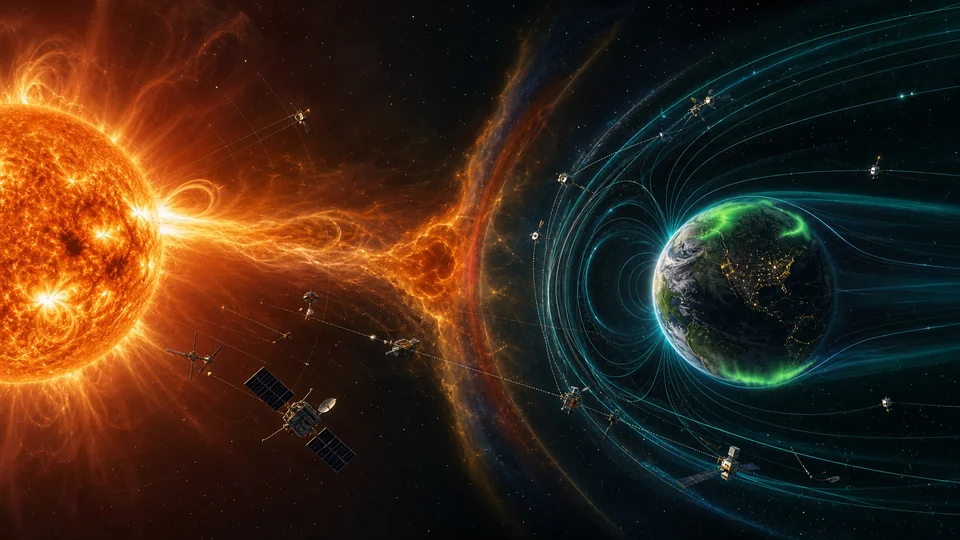
The observation and prediction of solar and geospace disturbances that can affect satellites, navigation, radio and power systems.
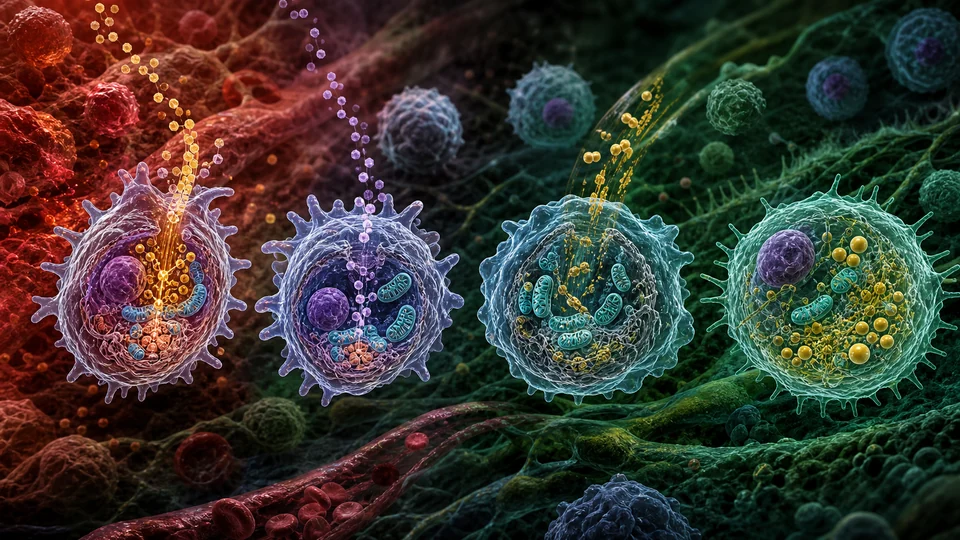
The reciprocal control between cellular metabolic pathways and the activation, differentiation and function of immune cells.
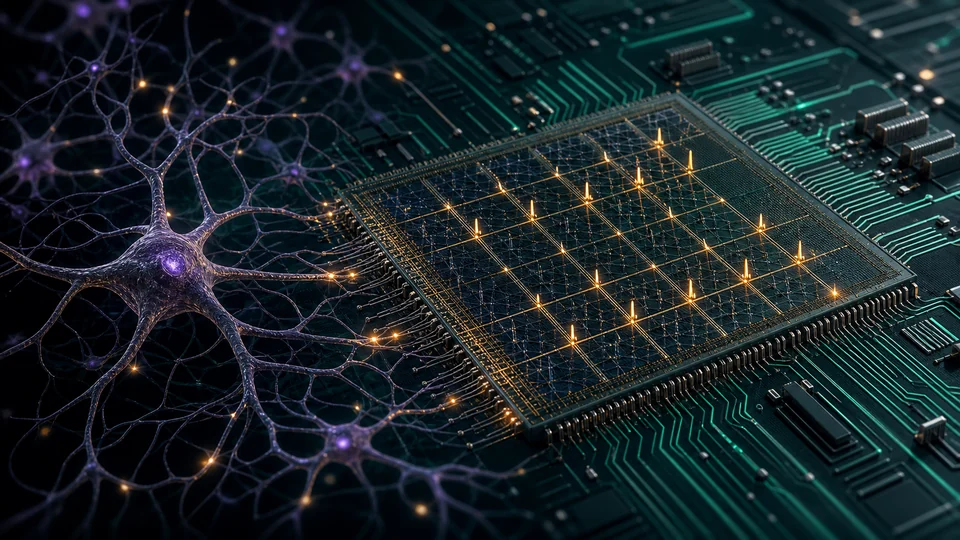
Computing architectures that use brain-inspired event-driven neurons, synapses and memory-compute integration.
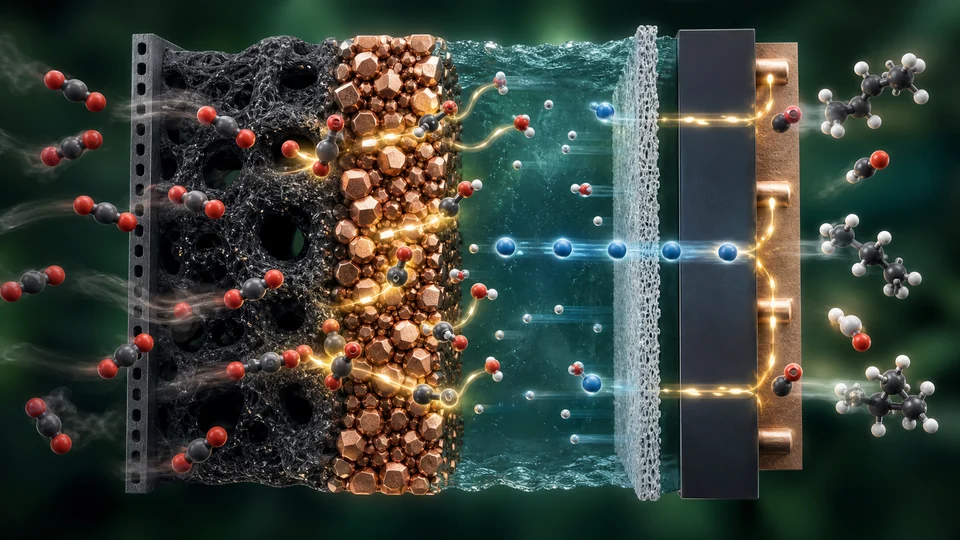
The use of electricity, catalysts and electrochemical interfaces to convert carbon dioxide into chemical products.
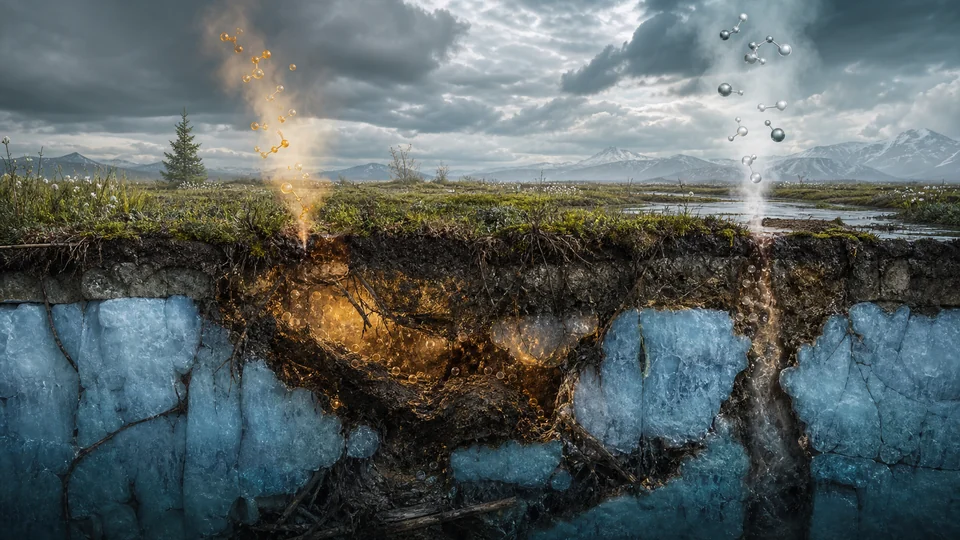
The climate interaction in which thaw exposes frozen organic matter to decomposition and releases additional greenhouse gases.
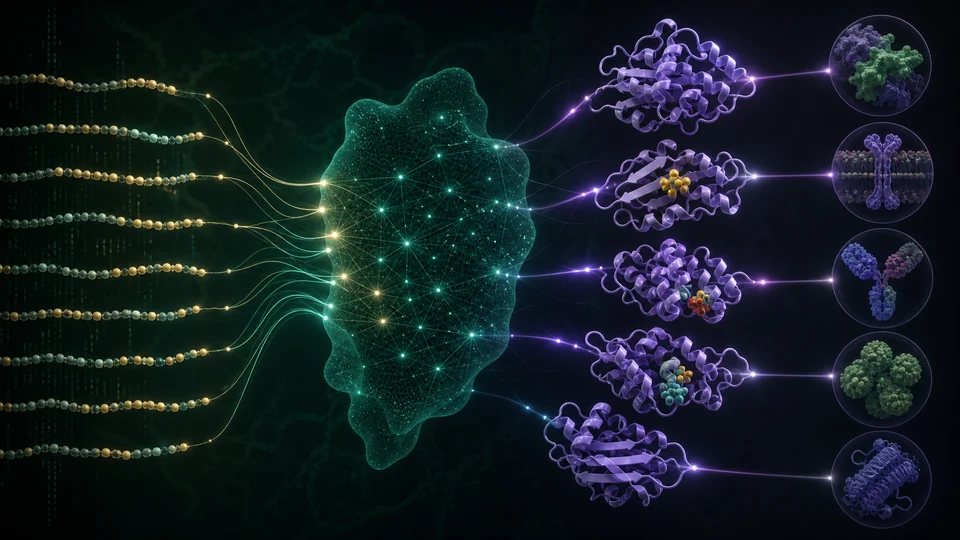
Machine-learning models that learn statistical representations of amino-acid sequences for prediction and molecular design.
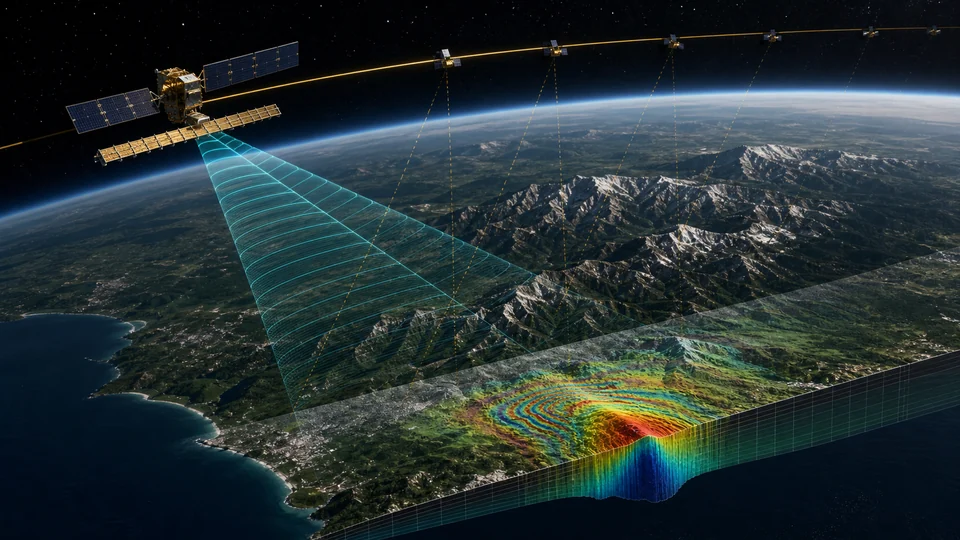
Active microwave imaging that combines echoes collected along a moving platform to achieve fine spatial resolution.
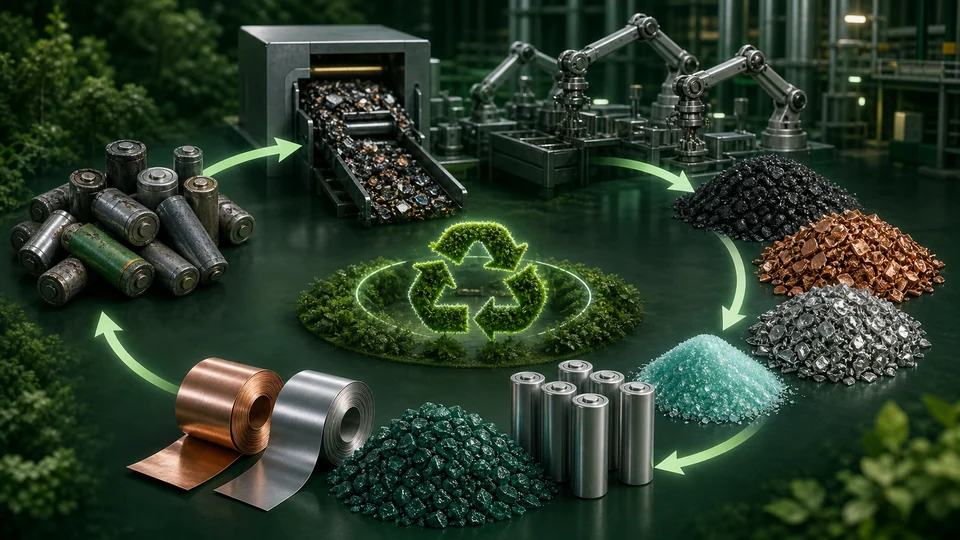
Processes that recover materials and functional components from spent batteries for safe treatment and renewed production.