CAR T-Cell Therapy
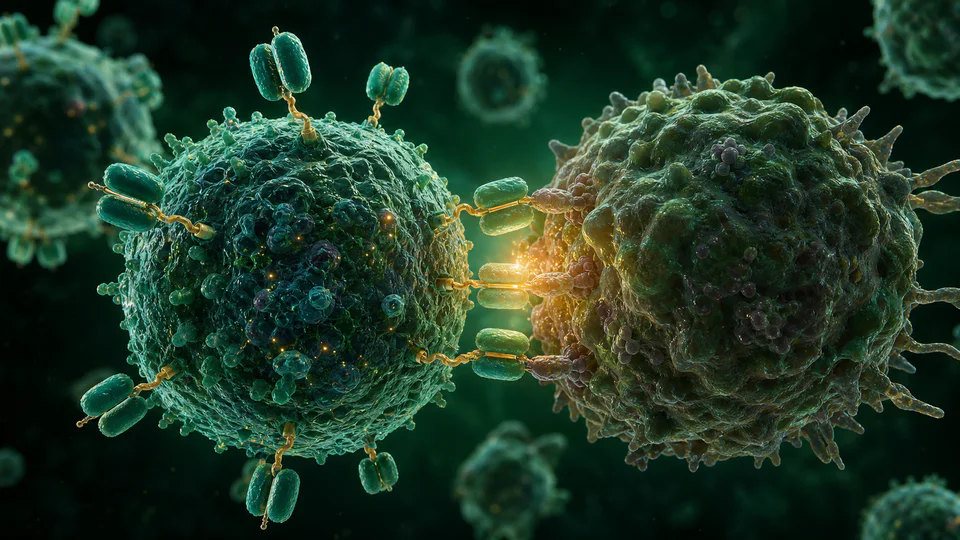
Cell therapy in which a patient's or donor's T cells are engineered with a synthetic receptor that recognises a selected disease antigen.
SCIENDIA Knowledge Desk
Read article
A living academic reference written, refined and transparently versioned by the Sciendia community.
Collaborative knowledgeSearch
31 results Page 1/2
Wiki pages are public to read. Every signed-in member can create and improve them.
Clear searchCell therapy in which a patient's or donor's T cells are engineered with a synthetic receptor that recognises a selected disease antigen.
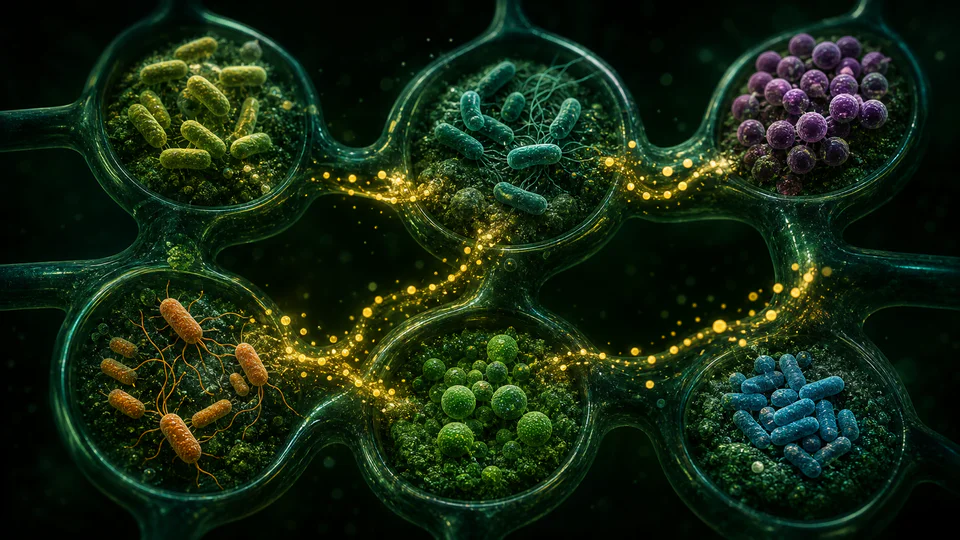
Designed groups of microbial species used to study and engineer ecological interactions with controlled membership and function.
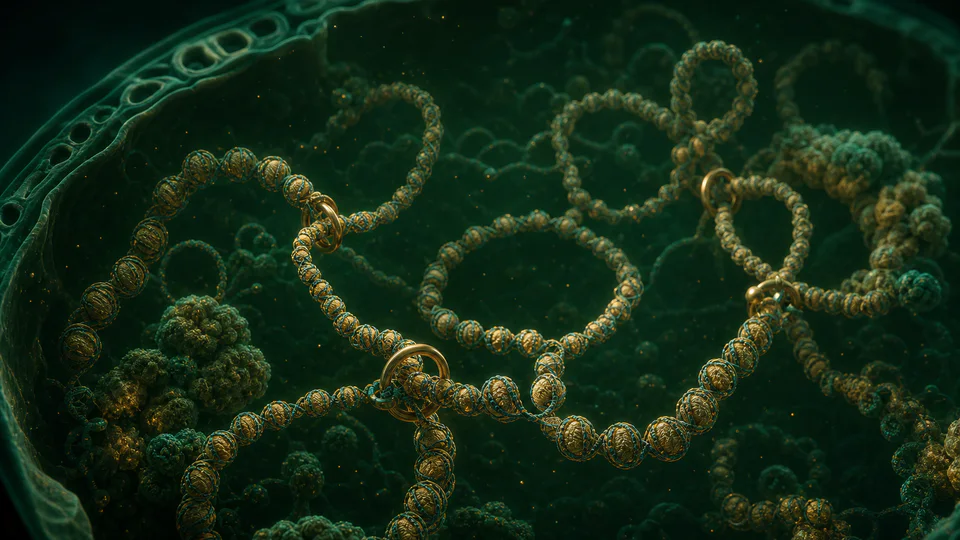
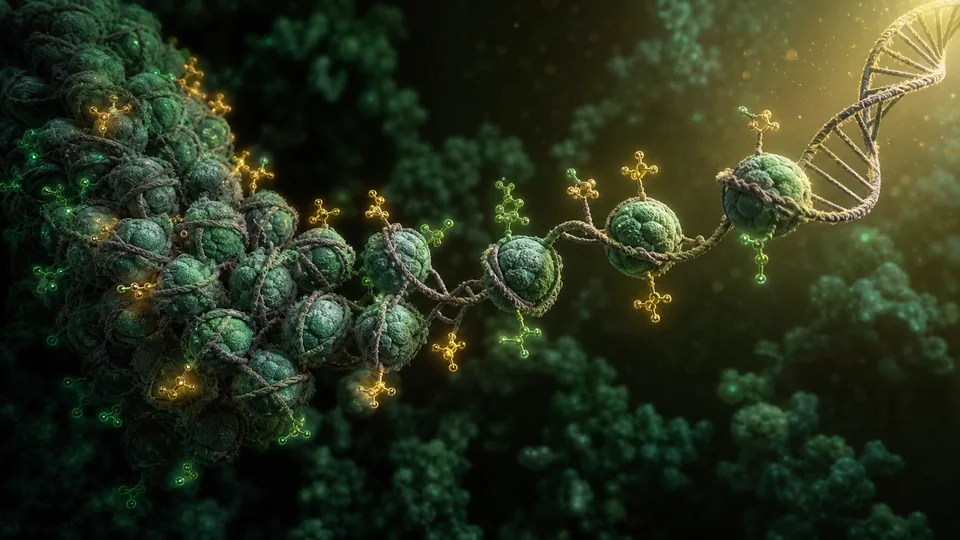
The three-dimensional organisation of DNA, histones and regulatory complexes that helps control genome activity inside the nucleus.
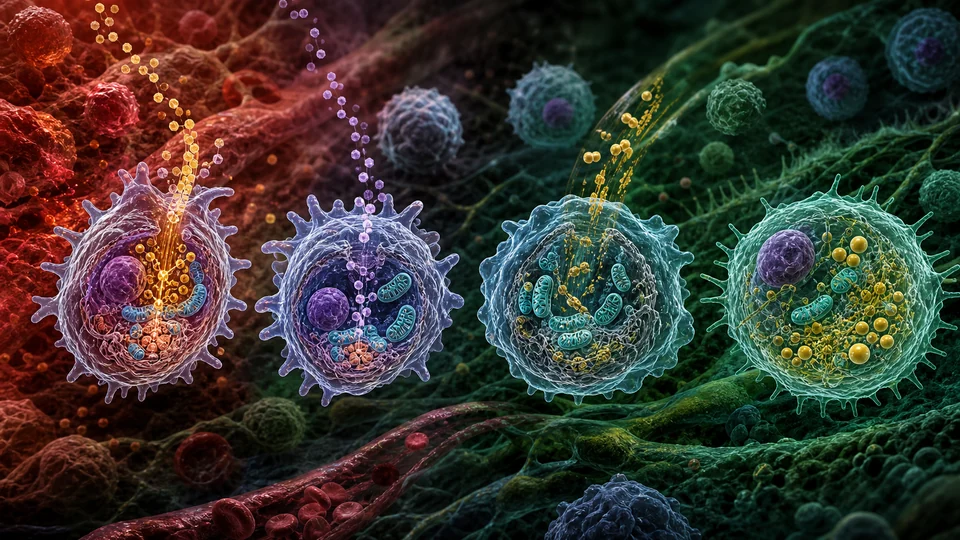
The reciprocal control between cellular metabolic pathways and the activation, differentiation and function of immune cells.
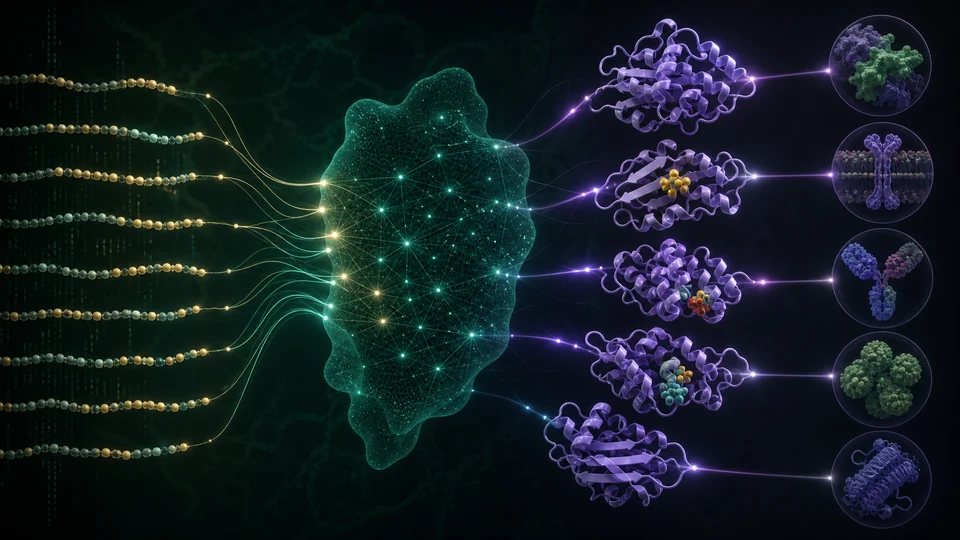
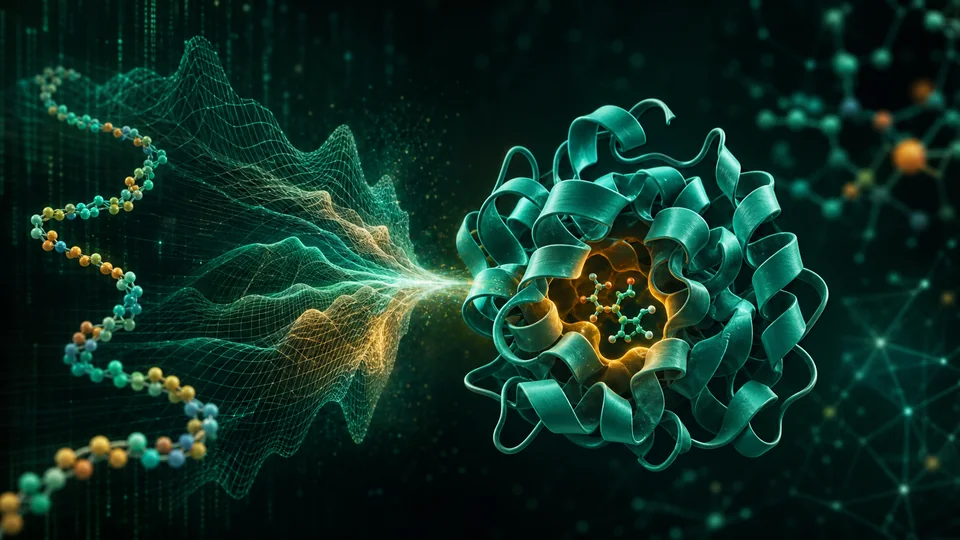
Machine-learning models that learn statistical representations of amino-acid sequences for prediction and molecular design.
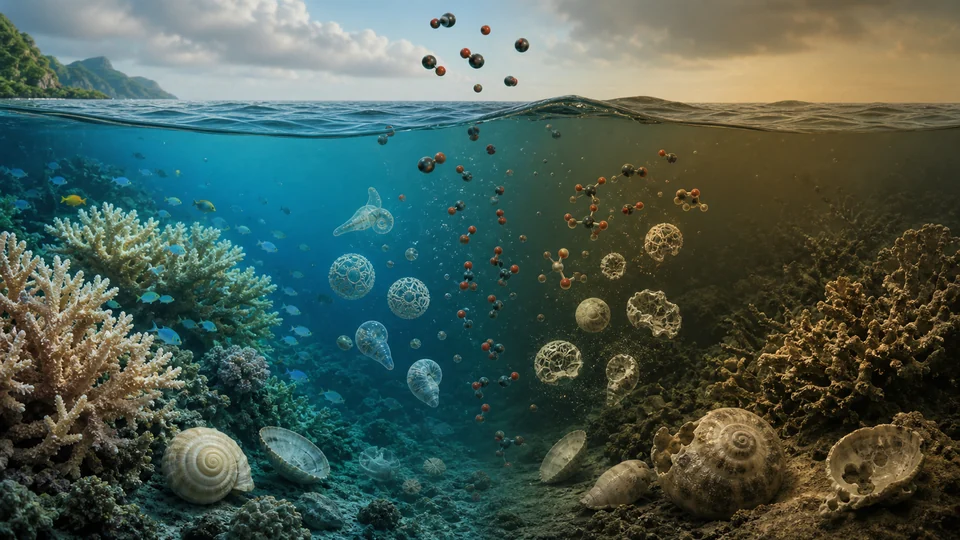
The long-term shift in seawater carbonate chemistry caused primarily by ocean uptake of anthropogenic carbon dioxide.
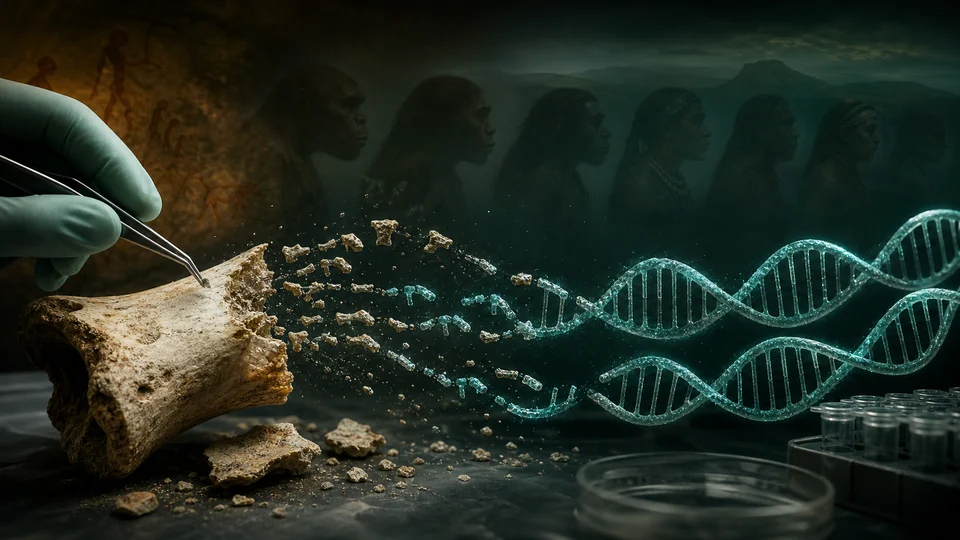
The reconstruction and analysis of genomes from ancient biological remains to study populations, evolution and disease through time.
Medicines that deliver engineered messenger RNA so cells transiently produce a therapeutic protein or antigen.
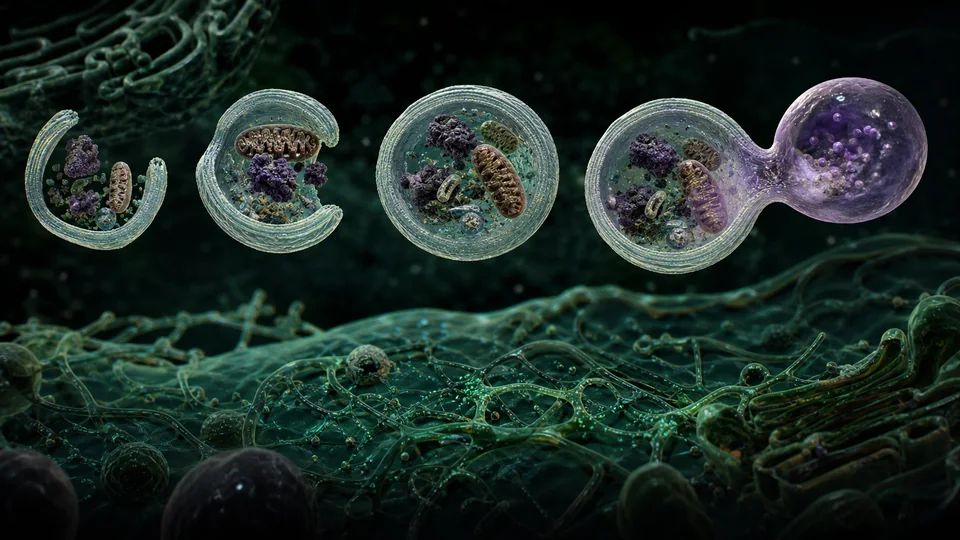
Cellular pathways that deliver cytoplasmic material to lysosomes or vacuoles for degradation, quality control and recycling.
The capacity of a planetary environment to sustain conditions compatible with life over relevant places and times.
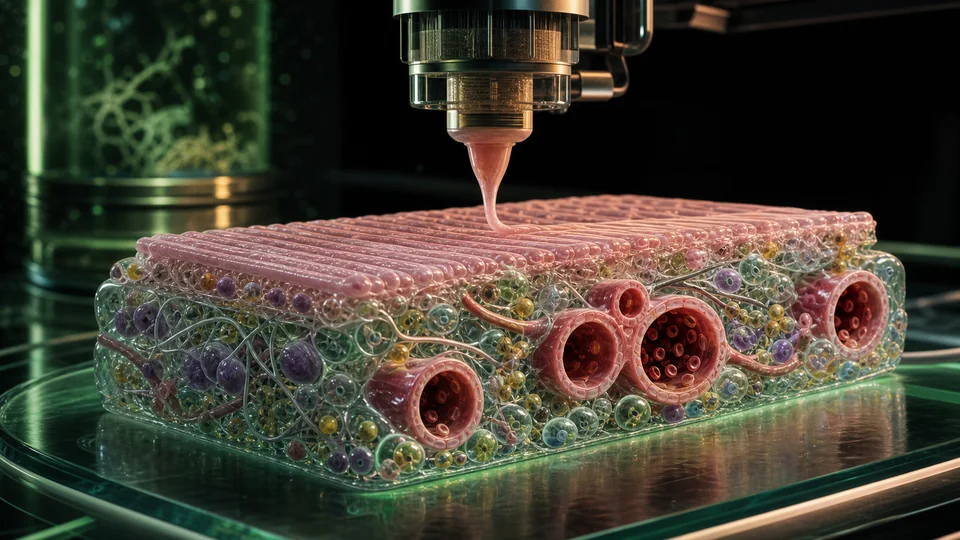
Layer-by-layer fabrication of living tissue constructs using cells, biomaterials and spatially controlled deposition.
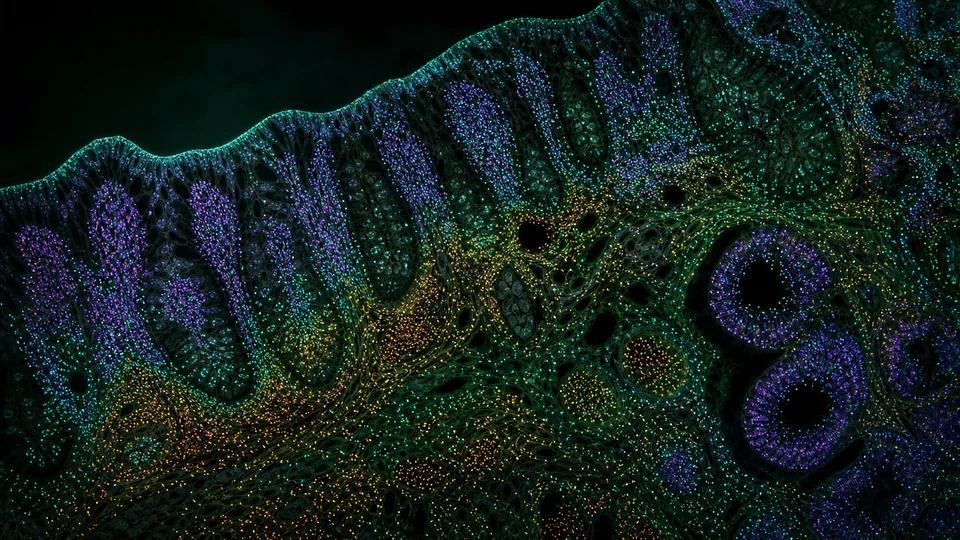
Methods that measure gene expression while preserving the locations and neighbourhoods of cells within tissue.
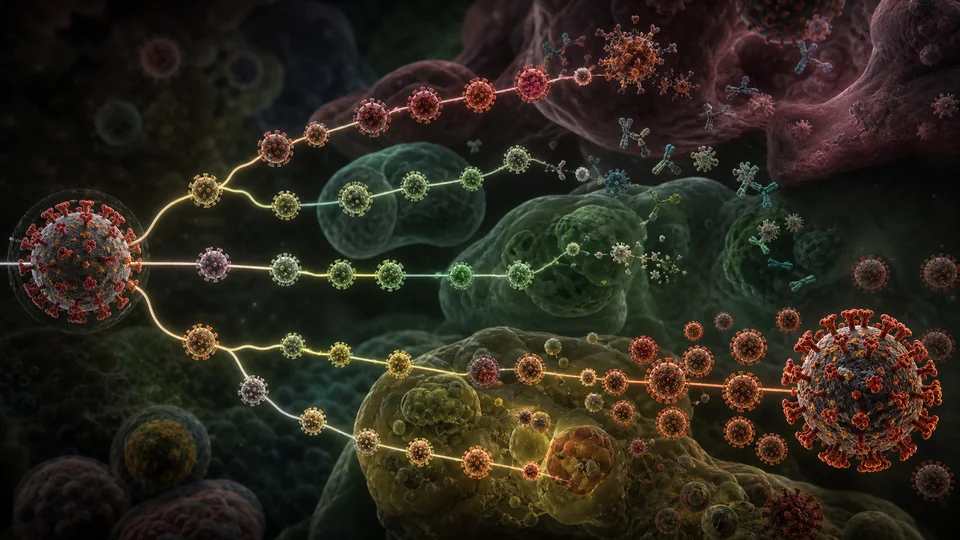
The change of viral populations through mutation, selection, recombination, migration and genetic drift across hosts and time.
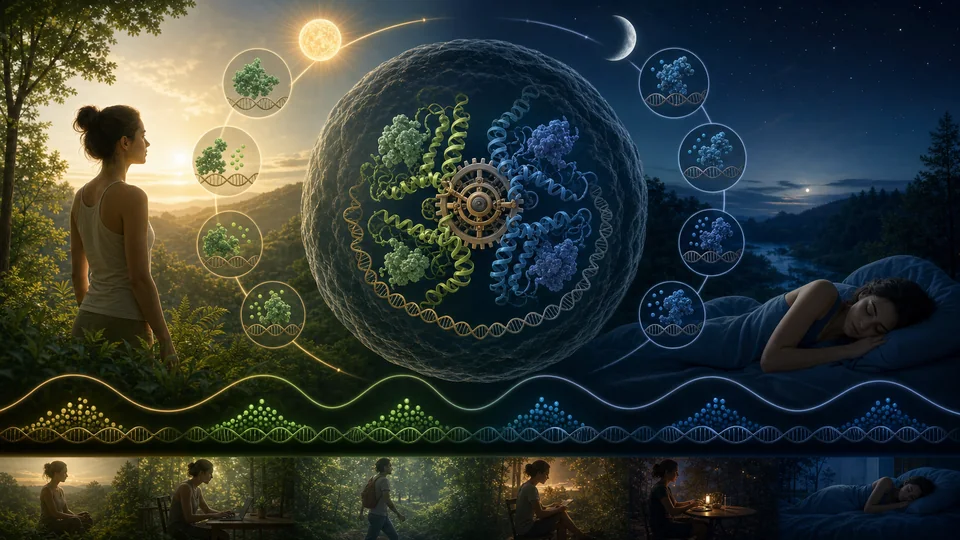
Endogenous biological cycles near twenty-four hours that coordinate physiology and behaviour with environmental time.
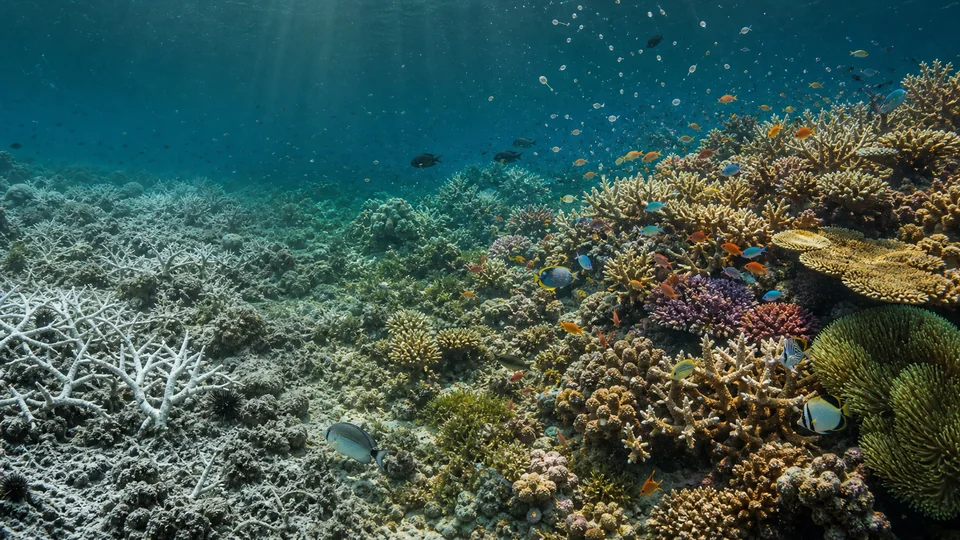
The capacity of reef ecosystems to resist disturbance, recover structure and retain ecological function under environmental change.
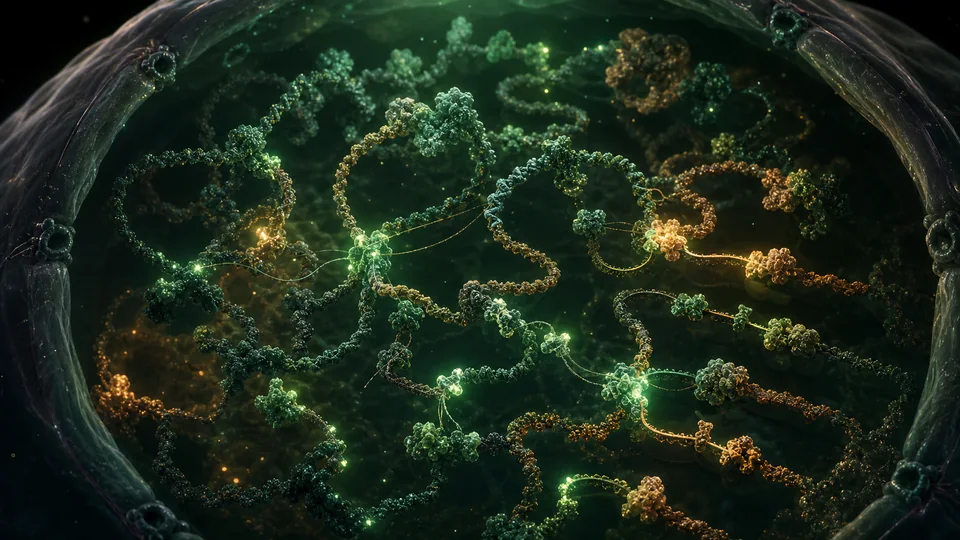
Interacting genes, regulatory DNA and molecular factors that control when and where biological programmes are expressed.
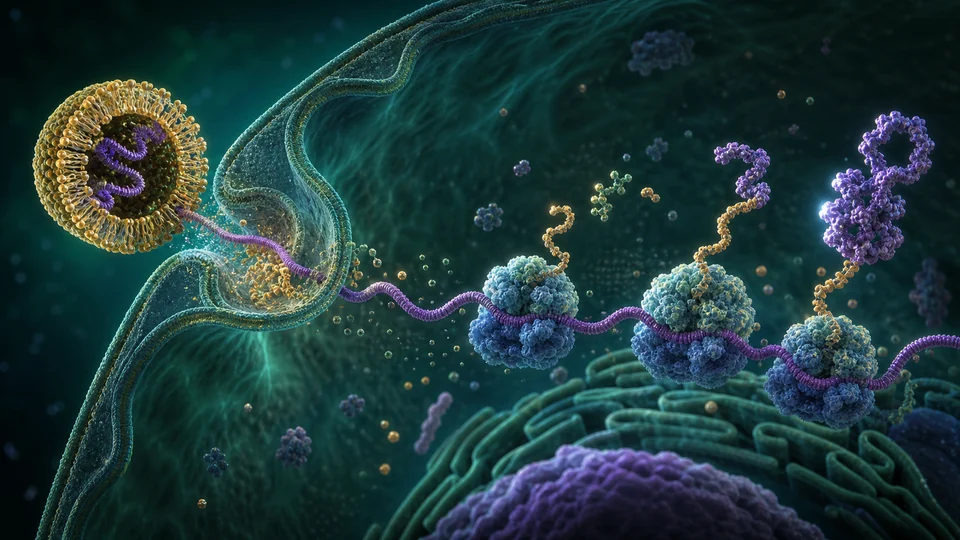
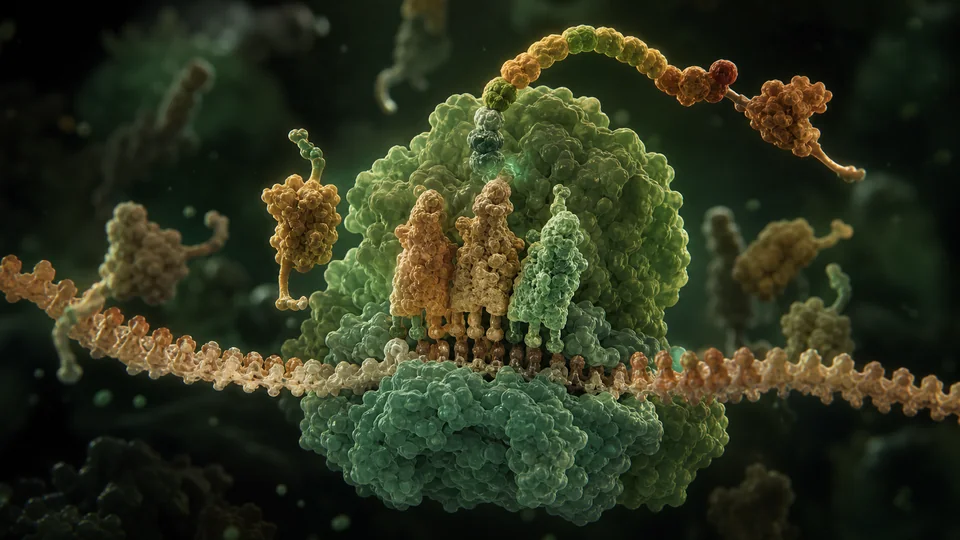
The molecular decoding of messenger RNA into an ordered amino-acid chain by ribosomes and transfer RNAs.
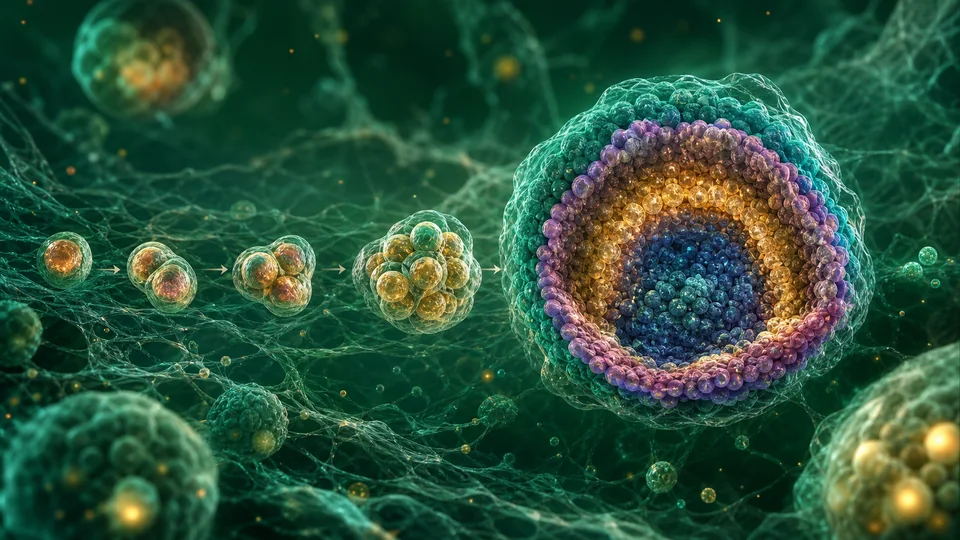
Three-dimensional, self-organising cell cultures that reproduce selected structural and functional features of organs.
The algorithmic creation of amino-acid sequences expected to fold into structures with specified biochemical functions.
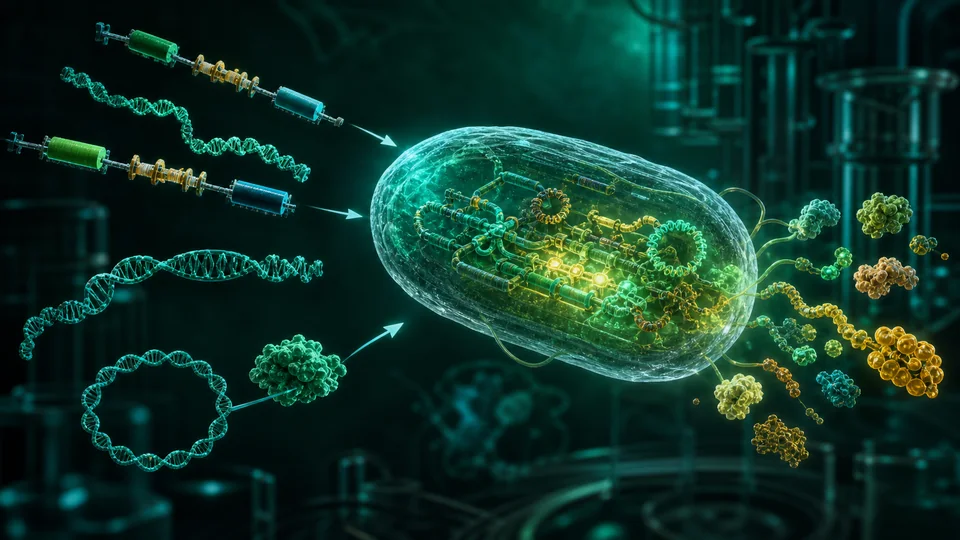
The design and construction of biological systems using engineering principles, quantitative models and molecular tools.
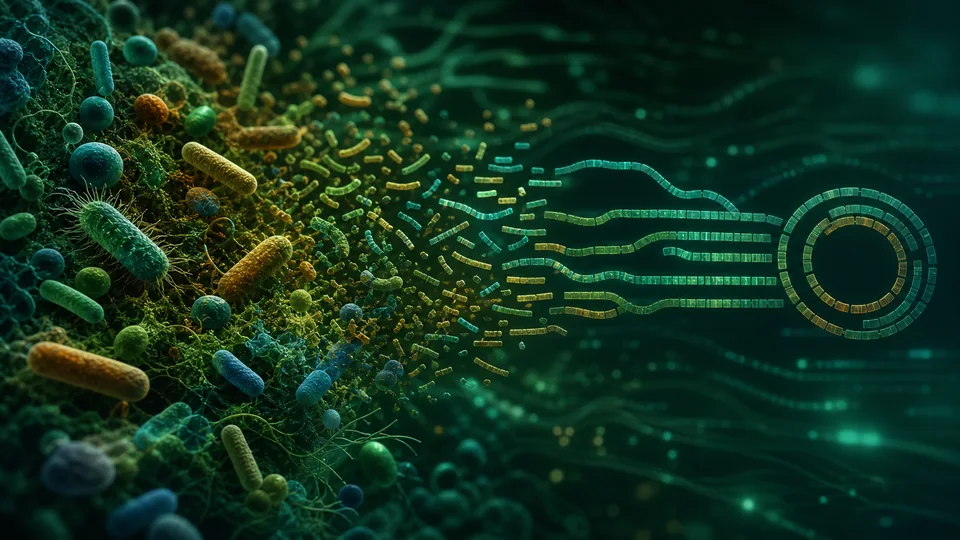
The culture-independent analysis of collective microbial genomes recovered from an environmental or host-associated sample.
Heritable or persistent control of gene activity mediated by chromatin state without changing DNA sequence.
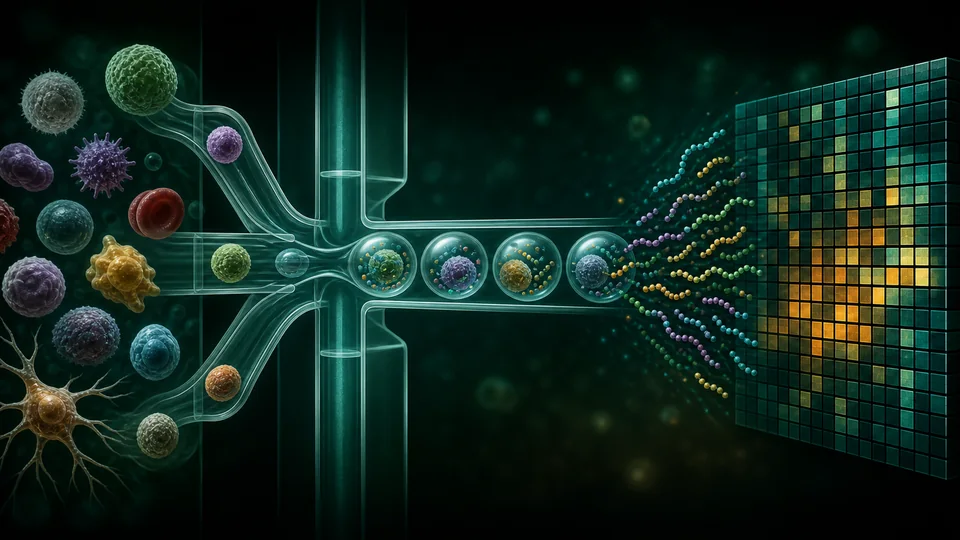
Methods that measure transcript abundance in individual cells to resolve heterogeneous biological populations.
Methods for identifying and characterising planets orbiting stars beyond the Solar System.