Stochastic Differential Equations
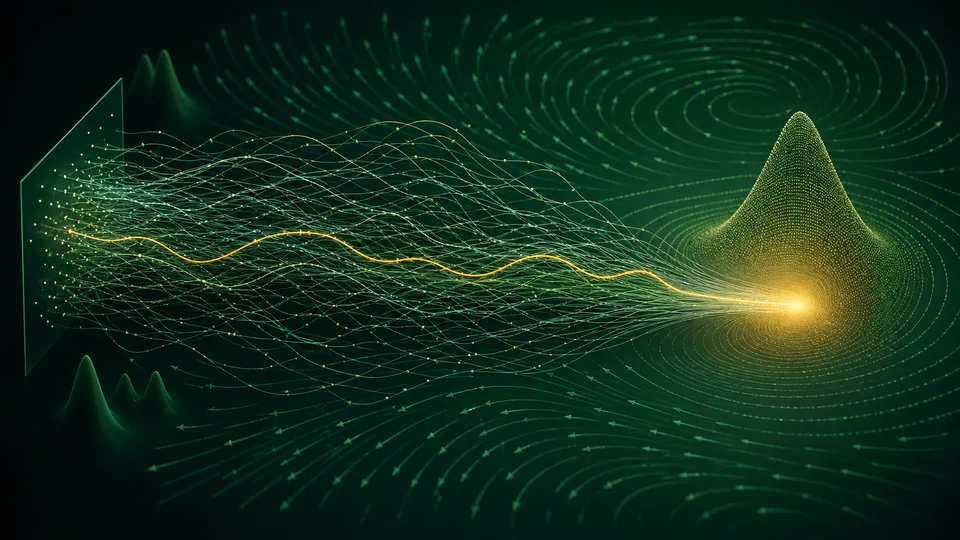
Differential equations that combine deterministic evolution with random forcing to represent systems influenced by continuous uncertainty.
SCIENDIA Knowledge Desk
Read article
A living academic reference written, refined and transparently versioned by the Sciendia community.
Collaborative knowledgeSearch
26 results Page 1/2
Wiki pages are public to read. Every signed-in member can create and improve them.
Clear searchDifferential equations that combine deterministic evolution with random forcing to represent systems influenced by continuous uncertainty.
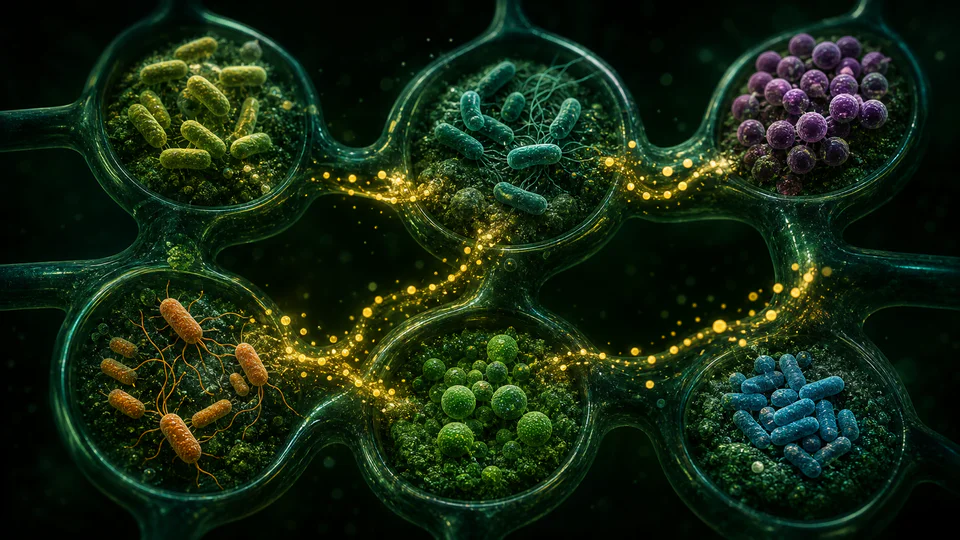
Designed groups of microbial species used to study and engineer ecological interactions with controlled membership and function.
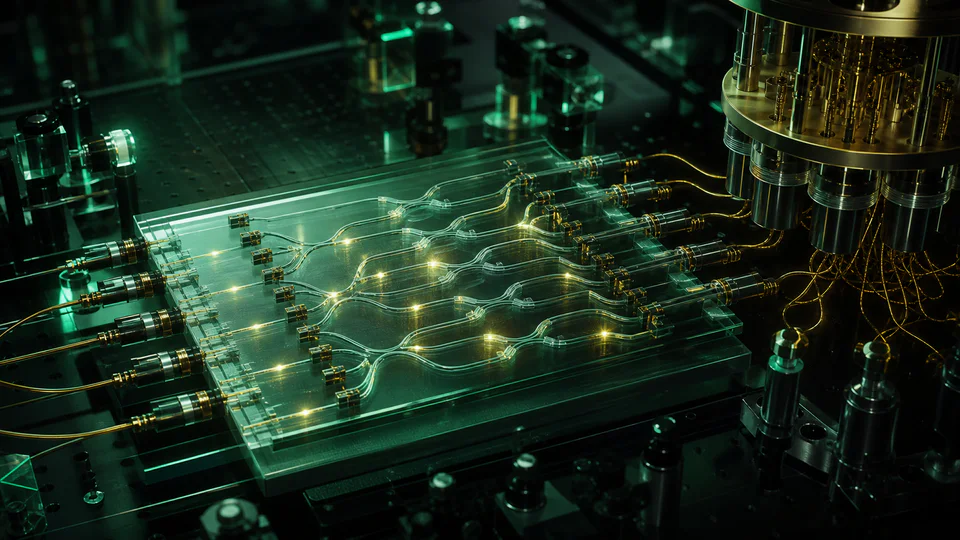
Quantum information processing that encodes, transforms and measures qubits in individual photons and optical modes.
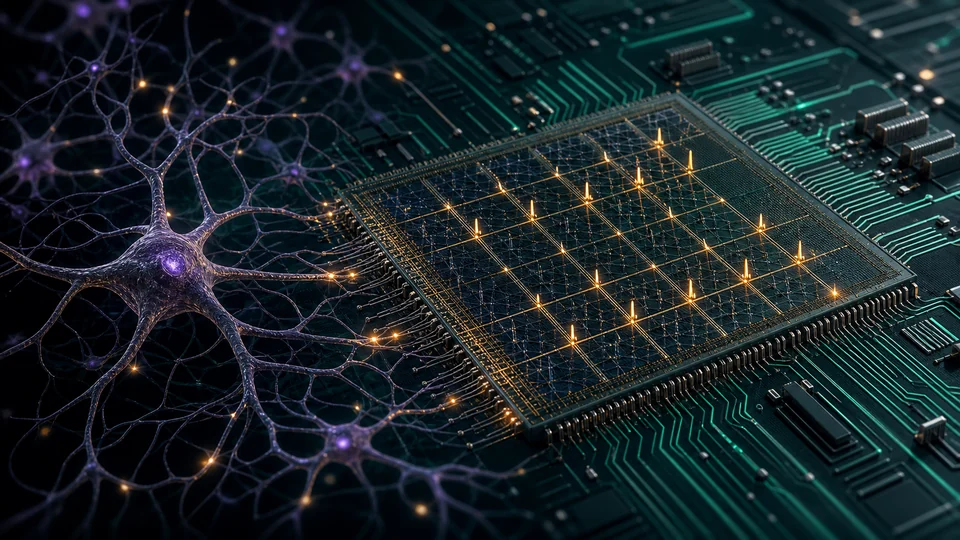
Computing architectures that use brain-inspired event-driven neurons, synapses and memory-compute integration.
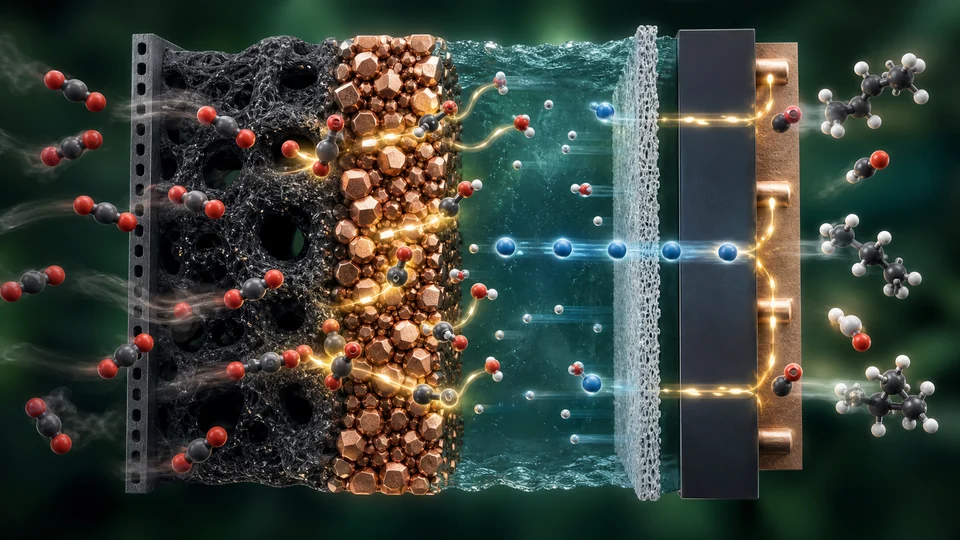
The use of electricity, catalysts and electrochemical interfaces to convert carbon dioxide into chemical products.
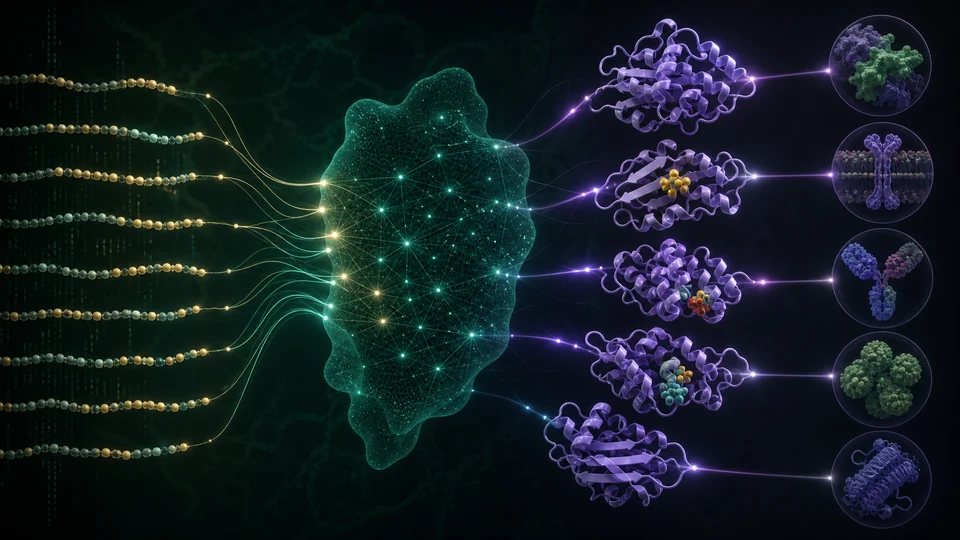
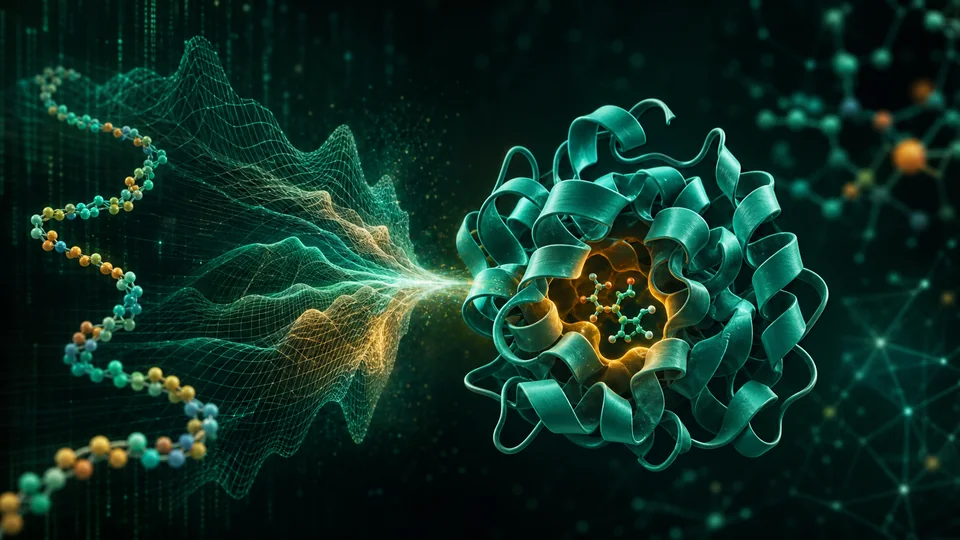
Machine-learning models that learn statistical representations of amino-acid sequences for prediction and molecular design.
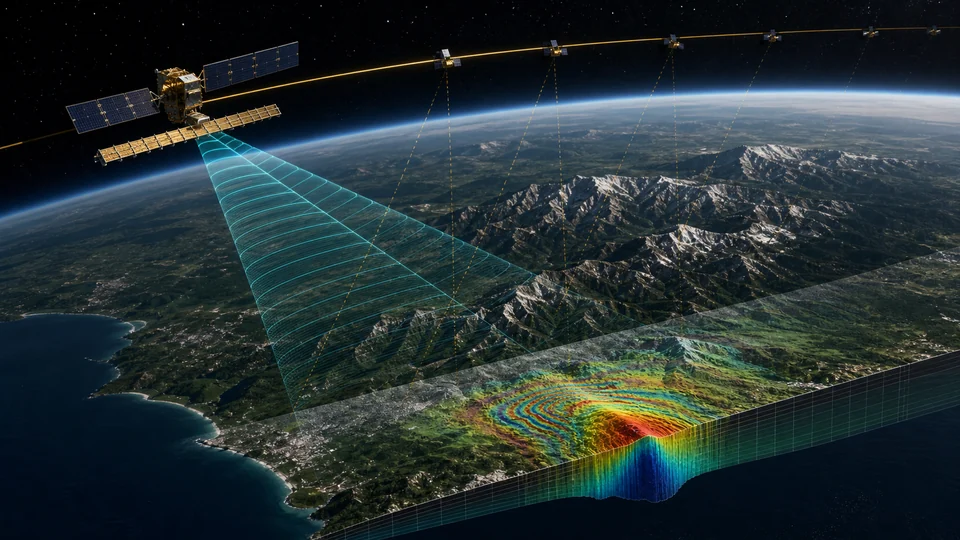
Active microwave imaging that combines echoes collected along a moving platform to achieve fine spatial resolution.
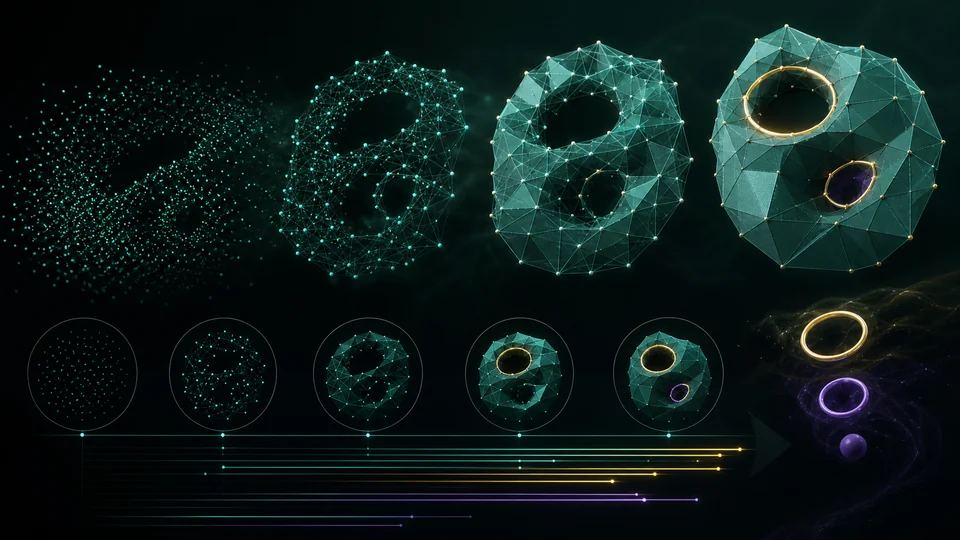
Methods that quantify connected components, loops and higher-dimensional voids in data across a range of spatial scales.
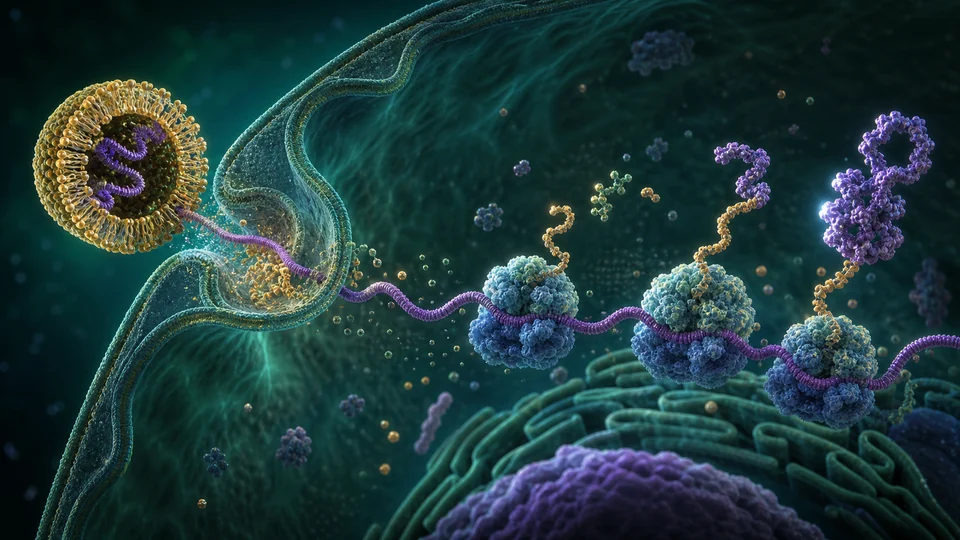
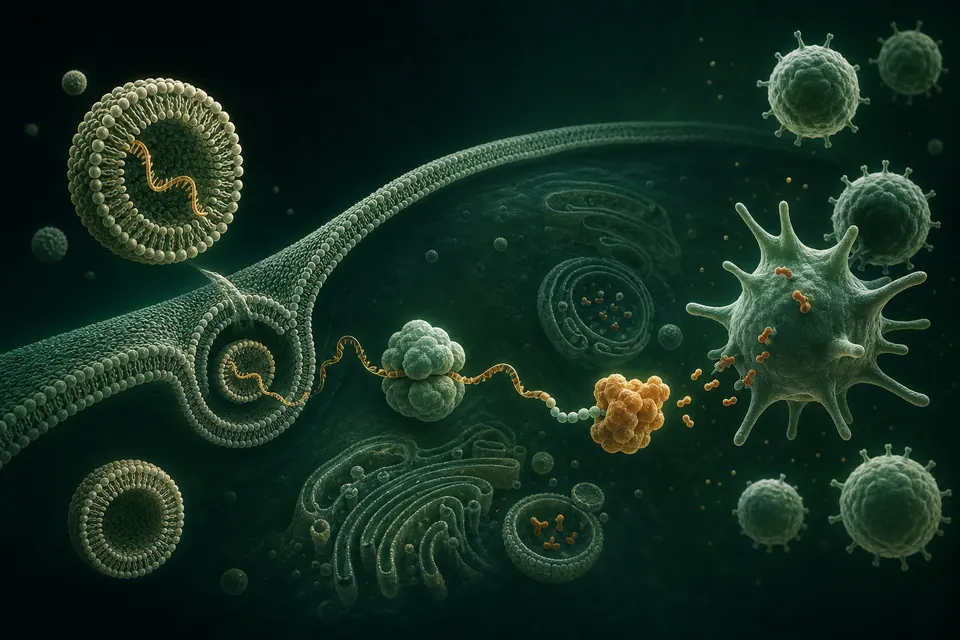
Medicines that deliver engineered messenger RNA so cells transiently produce a therapeutic protein or antigen.
Irregular, multiscale fluid motion in which nonlinear interactions transport momentum, heat and energy across a hierarchy of eddies.
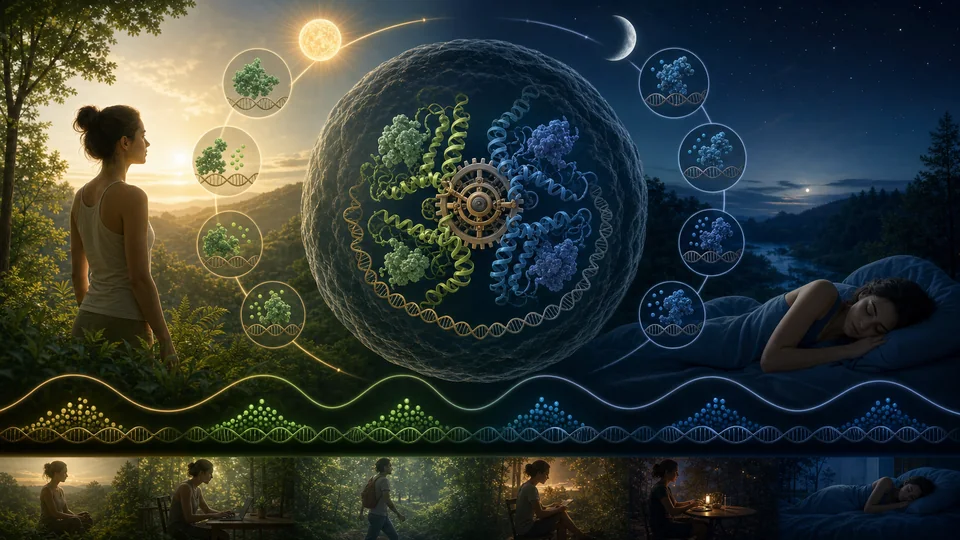
Endogenous biological cycles near twenty-four hours that coordinate physiology and behaviour with environmental time.
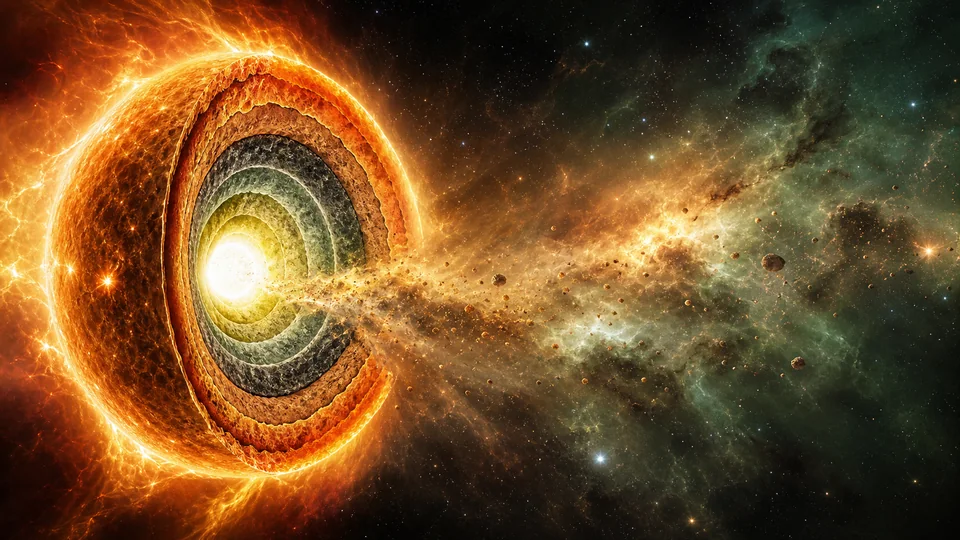
The production and transformation of atomic nuclei through fusion, capture and decay processes inside stars and stellar explosions.
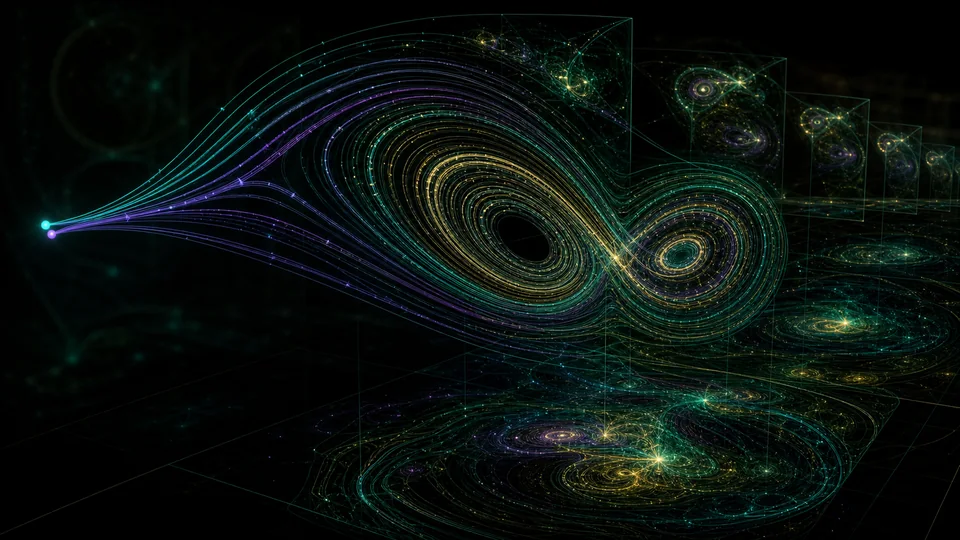
The study of deterministic nonlinear systems whose trajectories can become unpredictable through sensitive dependence on initial conditions.
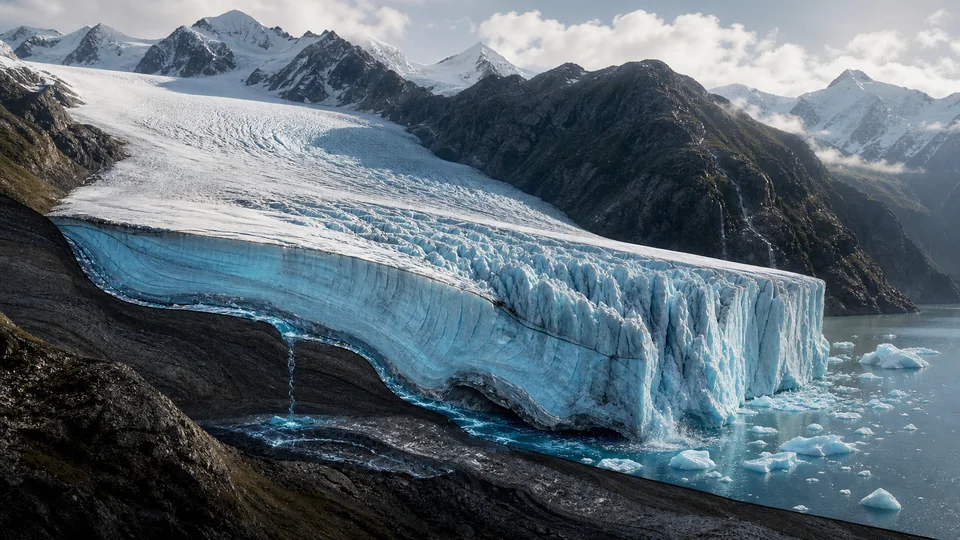
The deformation, sliding and mass exchange that govern how land ice flows from accumulation zones toward its margins.
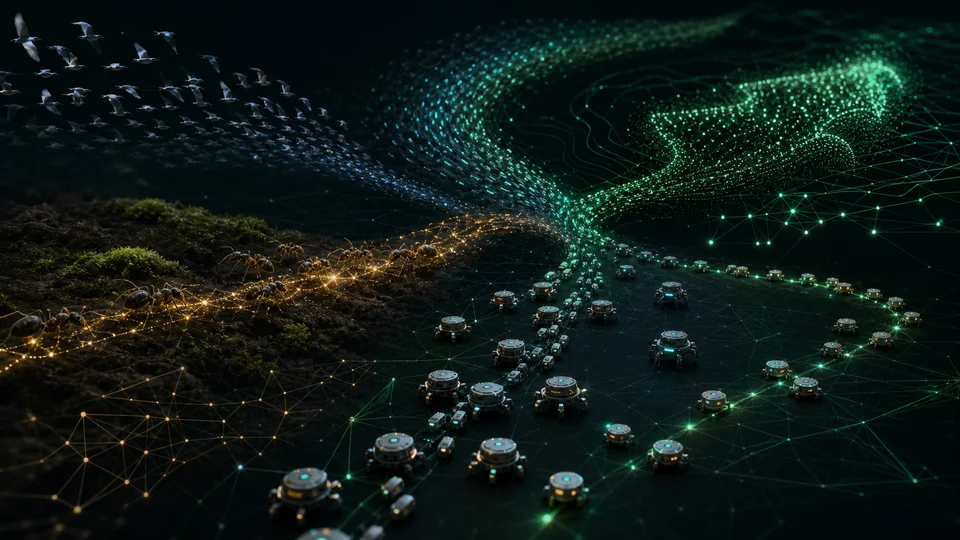
Collective problem-solving that emerges from local interactions among many comparatively simple autonomous agents.
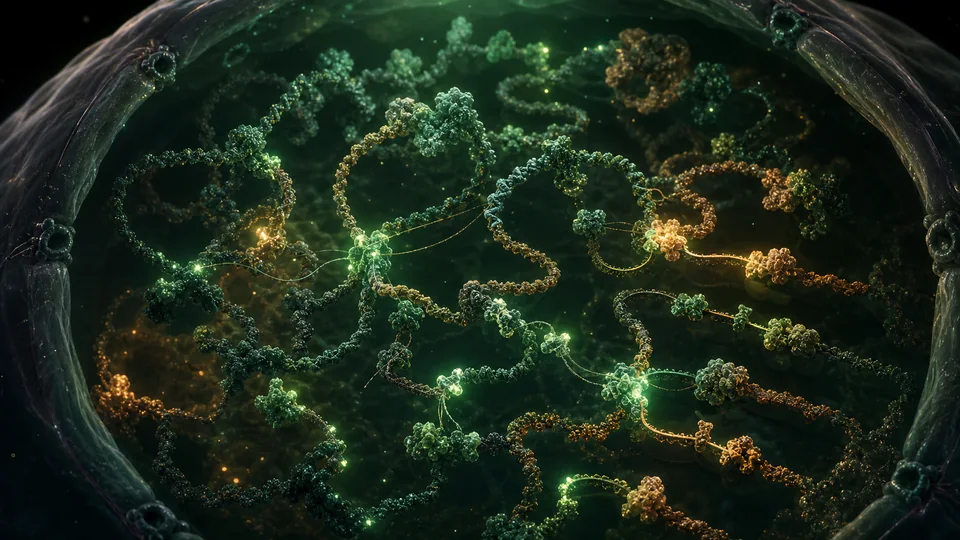
Interacting genes, regulatory DNA and molecular factors that control when and where biological programmes are expressed.
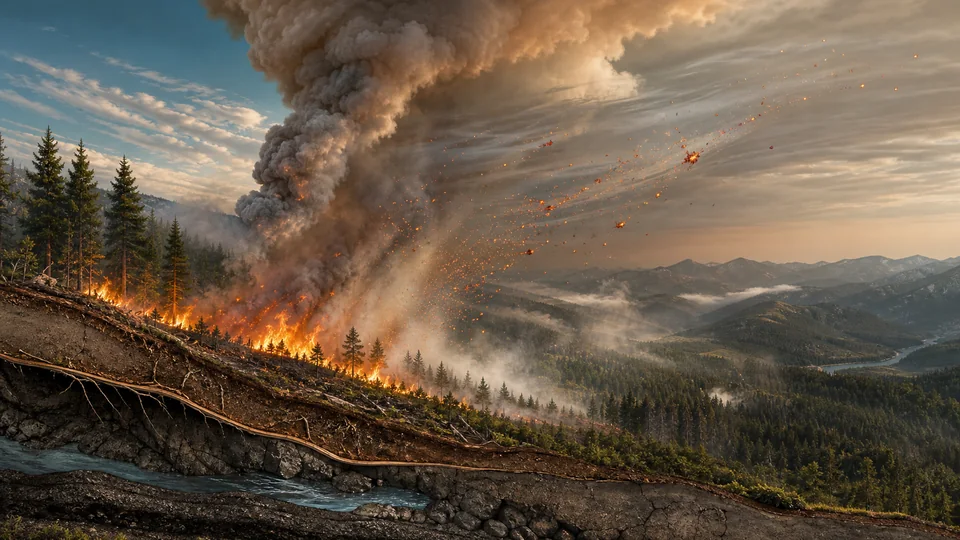
The coupled combustion, atmosphere, fuel and terrain processes that govern how landscape fires ignite and spread.
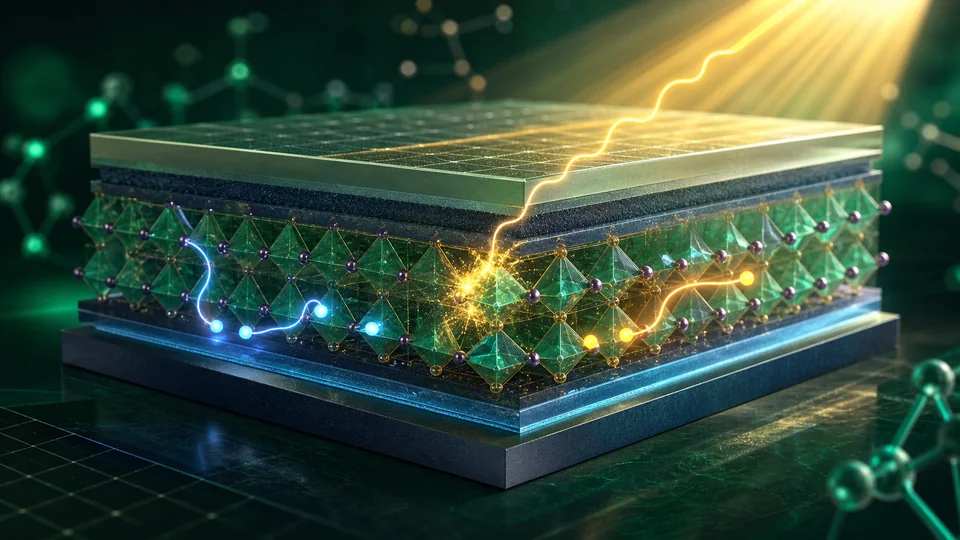
Thin-film photovoltaic devices built around halide-perovskite absorbers with tunable optoelectronic properties.
The algorithmic creation of amino-acid sequences expected to fold into structures with specified biochemical functions.
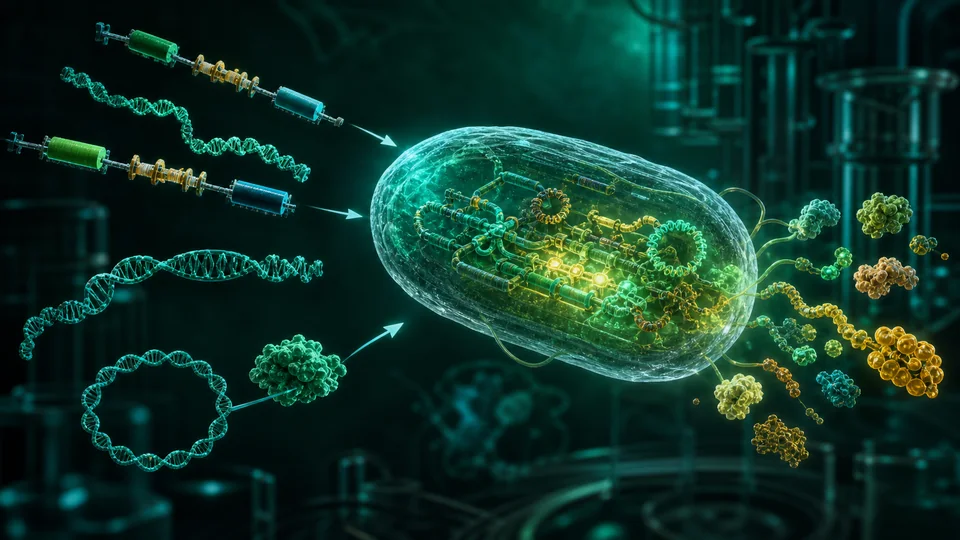
The design and construction of biological systems using engineering principles, quantitative models and molecular tools.
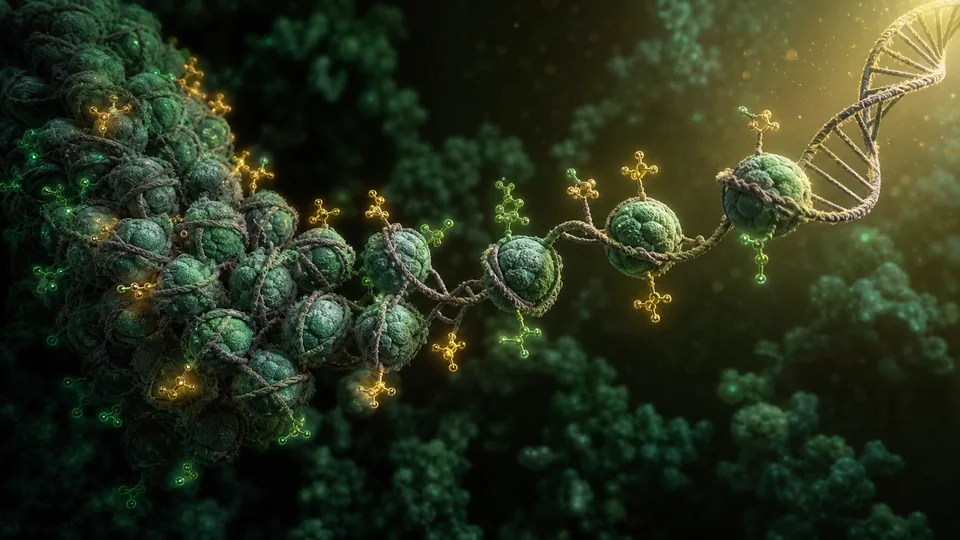
Heritable or persistent control of gene activity mediated by chromatin state without changing DNA sequence.
Quantum materials with an insulating bulk and robust conducting states at their surfaces or edges.
Vaccines that deliver temporary genetic instructions so cells produce an antigen and train adaptive immunity.
Variation within species, among species and across ecosystems, together with the interactions that sustain ecological function.