Behavioral Economics
The study of economic decisions using psychologically informed evidence about attention, beliefs, preferences and social context.
SCIENDIA Knowledge Desk
Read article
A living academic reference written, refined and transparently versioned by the Sciendia community.
Collaborative knowledgeSearch
60 results Page 1/3
Wiki pages are public to read. Every signed-in member can create and improve them.
Clear searchThe study of economic decisions using psychologically informed evidence about attention, beliefs, preferences and social context.
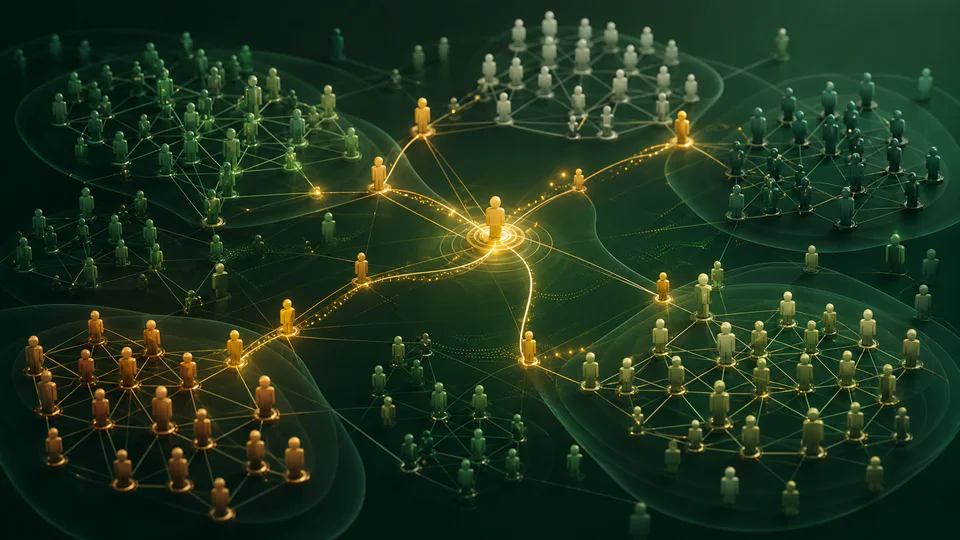
The quantitative study of relationships among people, organisations or communities and how network structure shapes social processes.
The study of geometric spaces defined by polynomial equations using tools that connect shape, algebra and arithmetic.
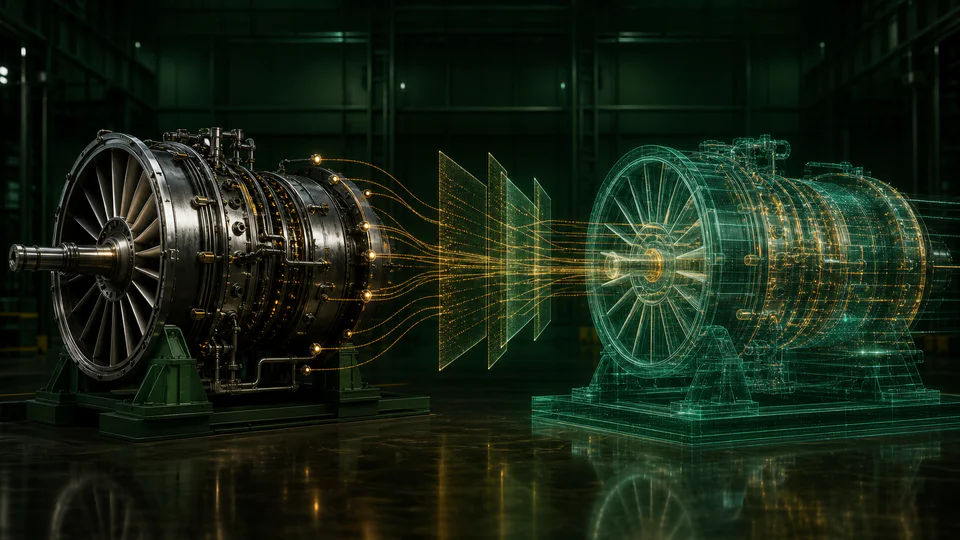
Continuously updated computational representations of physical assets or processes used to estimate state, test scenarios and guide decisions.
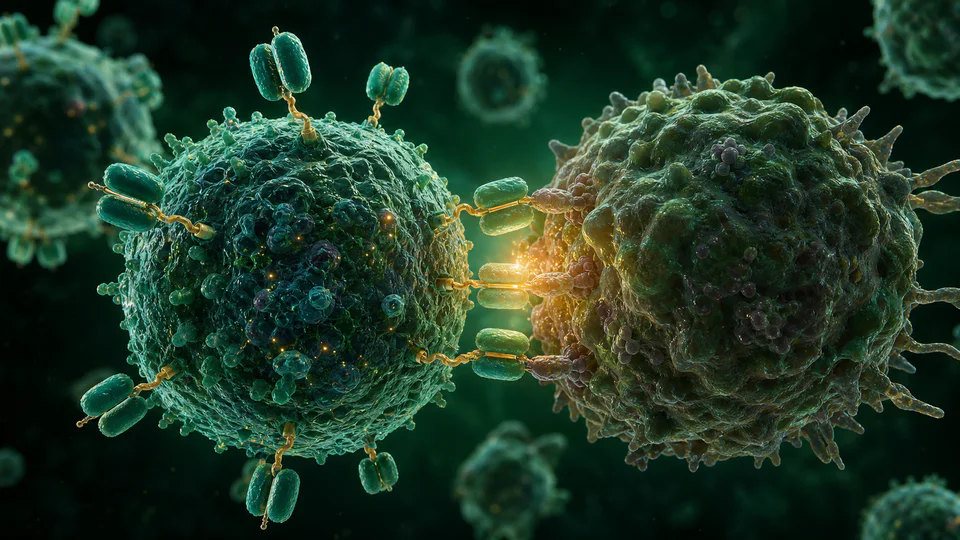
Cell therapy in which a patient's or donor's T cells are engineered with a synthetic receptor that recognises a selected disease antigen.
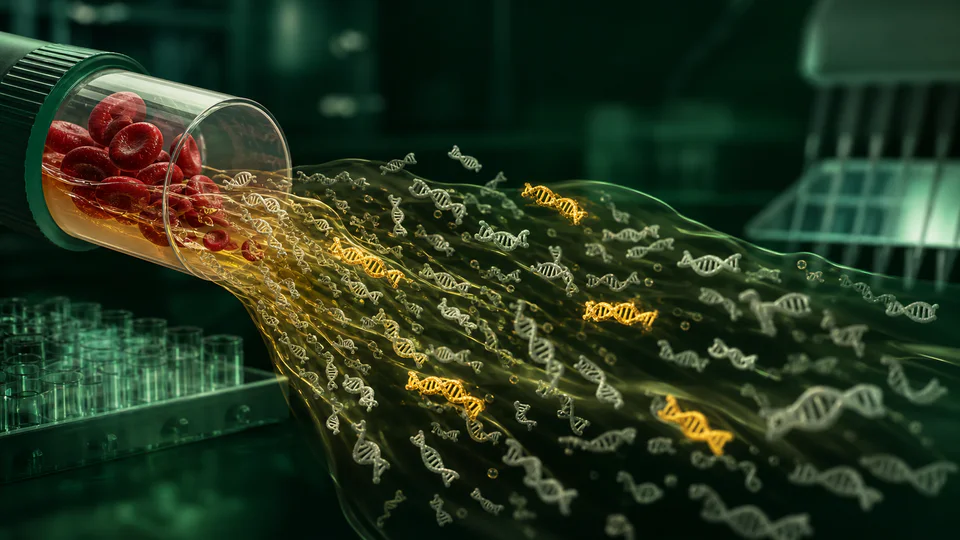
Analysis of tumour-derived DNA, cells, vesicles or other biomarkers in blood and body fluids to characterise cancer non-invasively.
Systems that retrieve external evidence at query time and supply it to a generative language component before producing an answer.
The three-dimensional organisation of DNA, histones and regulatory complexes that helps control genome activity inside the nucleus.
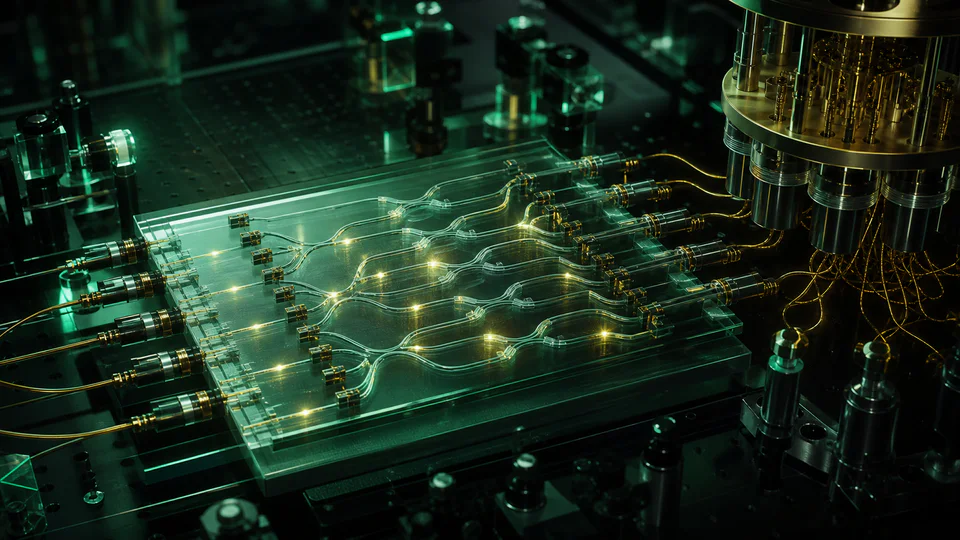
Quantum information processing that encodes, transforms and measures qubits in individual photons and optical modes.
Experiments that test whether extremely light, weakly interacting axions or axion-like particles constitute the unseen matter in galaxies.
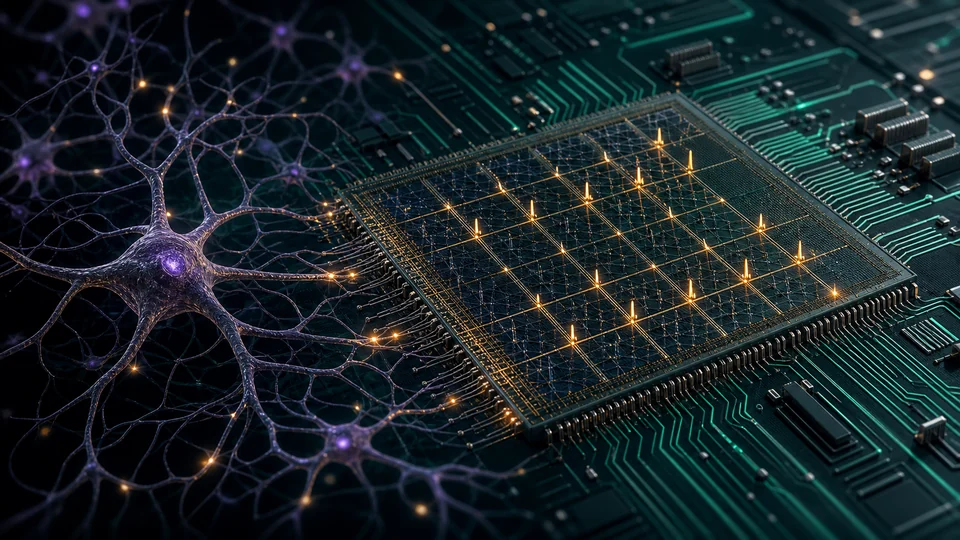
Computing architectures that use brain-inspired event-driven neurons, synapses and memory-compute integration.
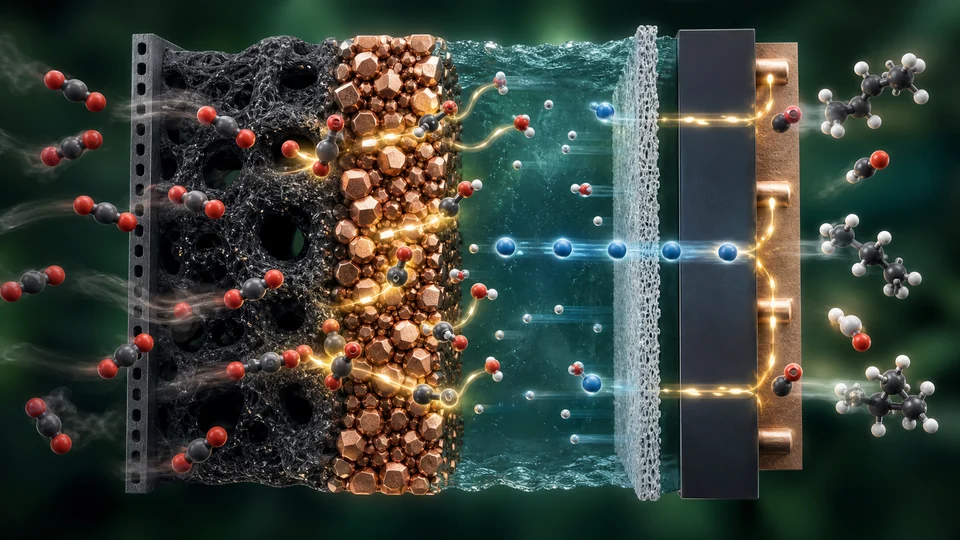
The use of electricity, catalysts and electrochemical interfaces to convert carbon dioxide into chemical products.
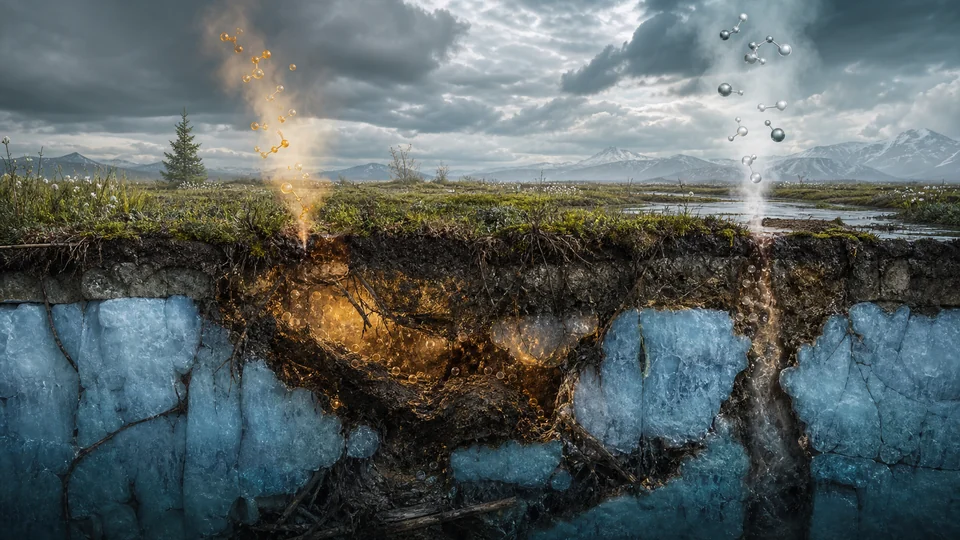
The climate interaction in which thaw exposes frozen organic matter to decomposition and releases additional greenhouse gases.
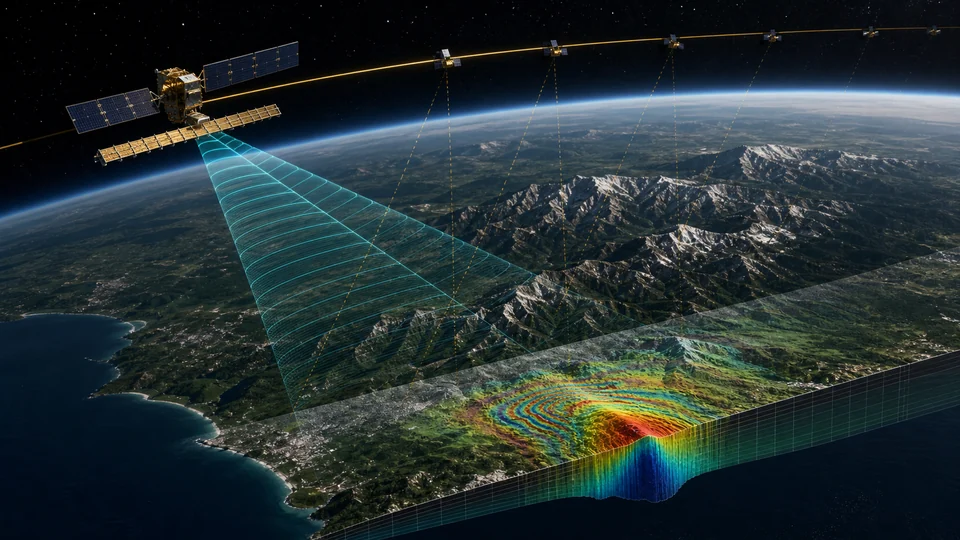
Active microwave imaging that combines echoes collected along a moving platform to achieve fine spatial resolution.
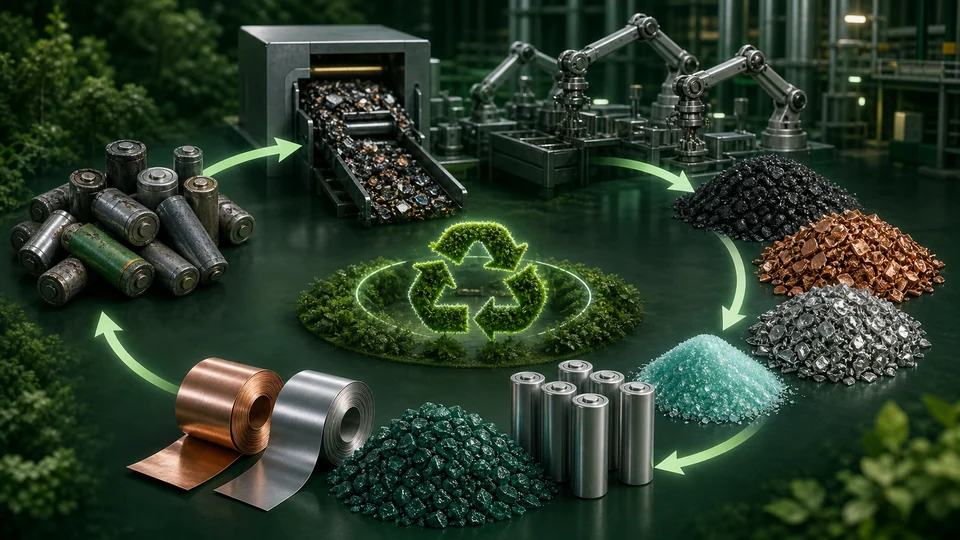
Processes that recover materials and functional components from spent batteries for safe treatment and renewed production.
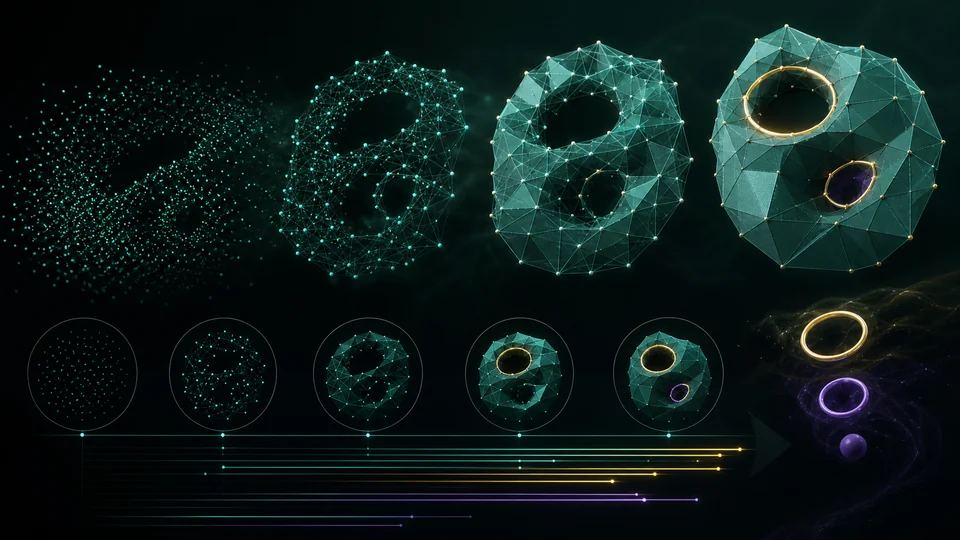
Methods that quantify connected components, loops and higher-dimensional voids in data across a range of spatial scales.
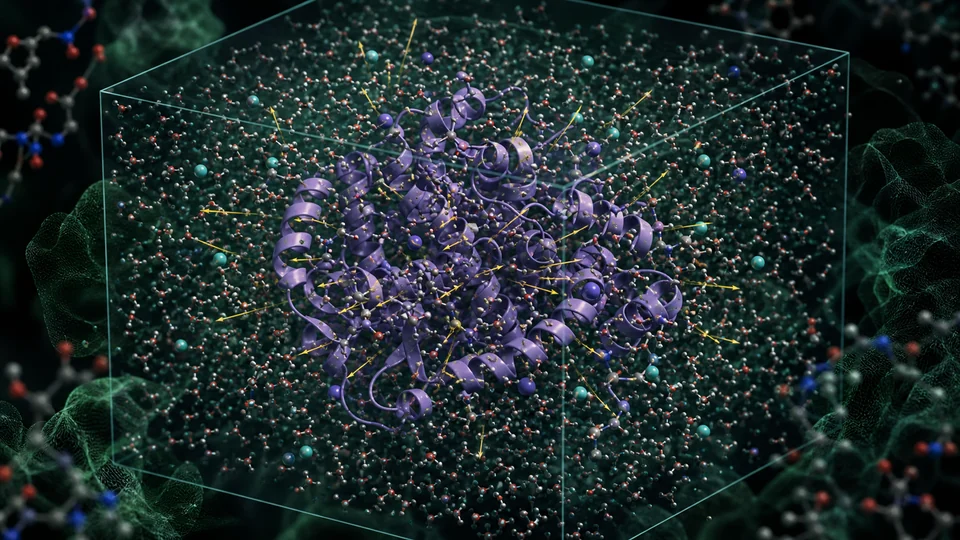
Atomistic computation that propagates molecular motion through time using an interaction model and numerical integration.
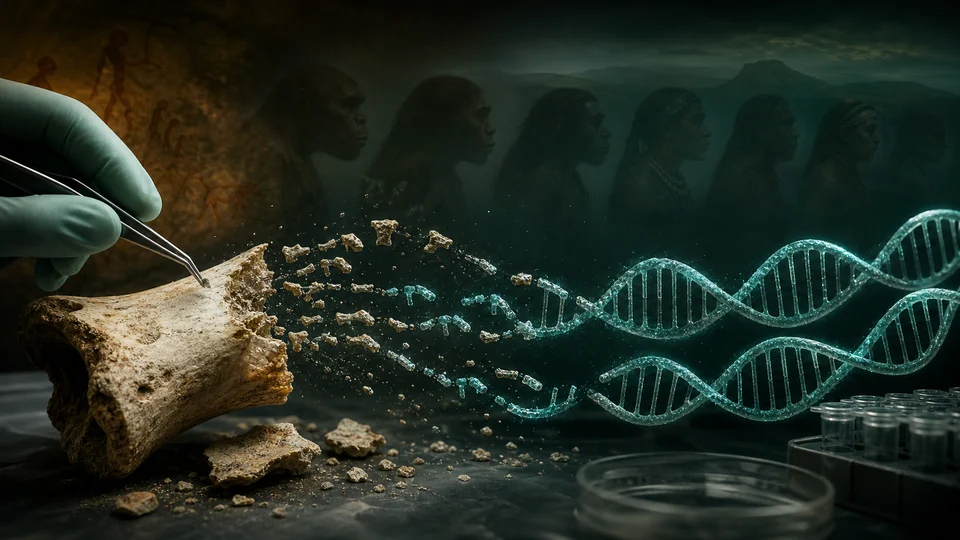
The reconstruction and analysis of genomes from ancient biological remains to study populations, evolution and disease through time.
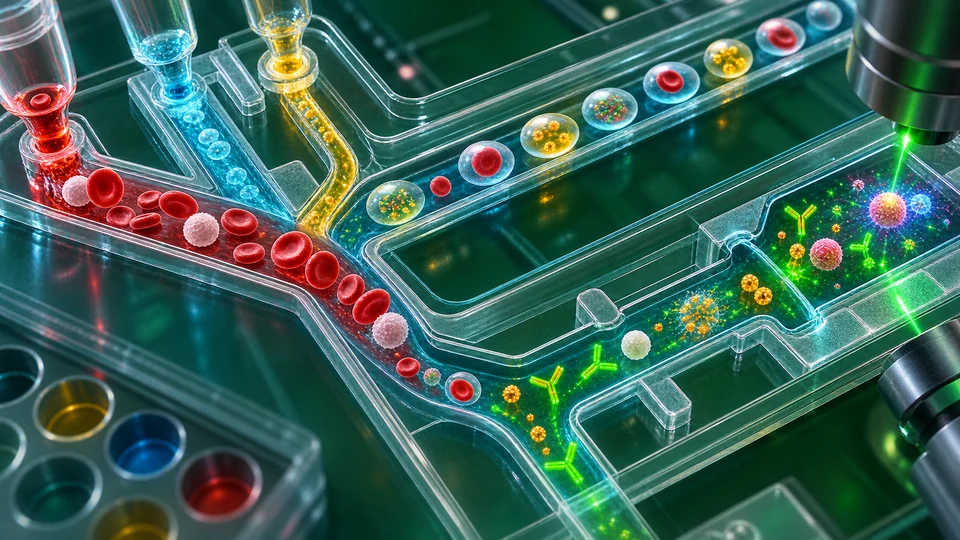
The control of very small fluid volumes in engineered channels for analysis, synthesis and biological experimentation.
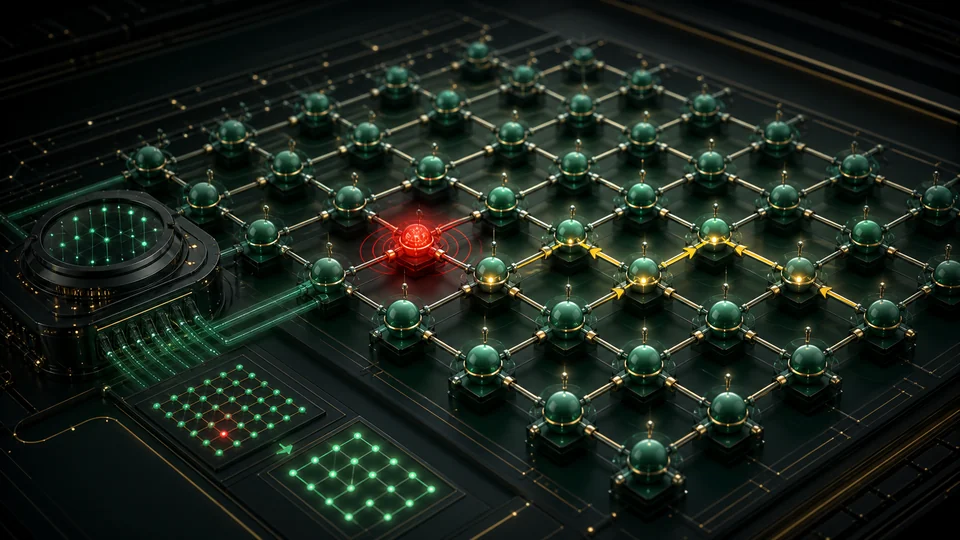
Methods that encode fragile logical quantum information across many physical qubits and diagnose errors without reading the protected state directly.
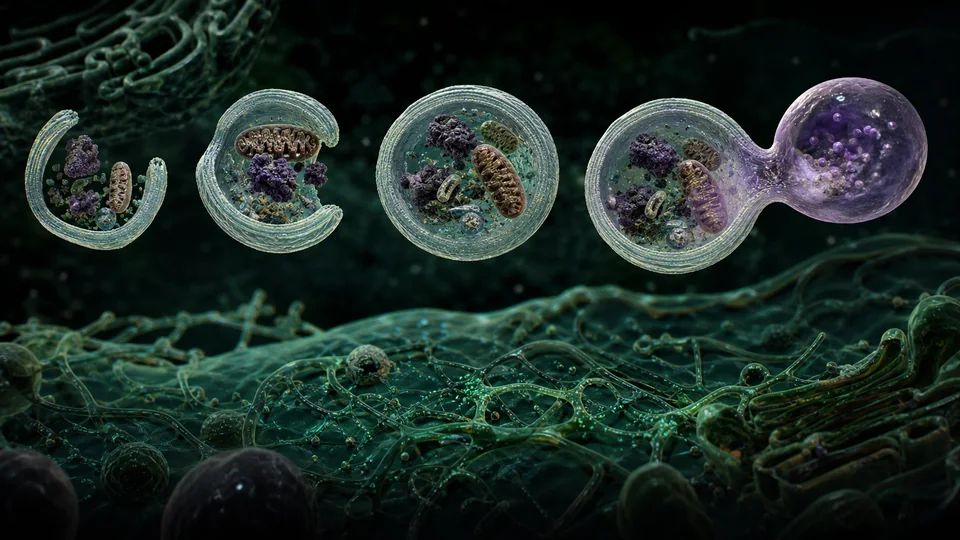
Cellular pathways that deliver cytoplasmic material to lysosomes or vacuoles for degradation, quality control and recycling.
Cryptographic protocols that prove a statement is true without revealing the secret witness that makes it true.
Machine learning for sequential decisions in which an agent improves behaviour from rewards generated through interaction.
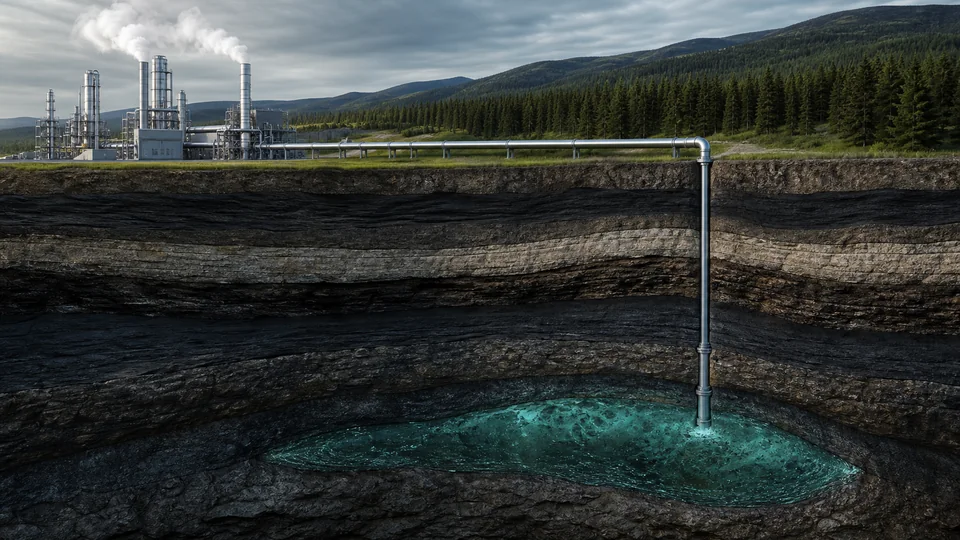
The separation of carbon dioxide from concentrated sources or air followed by transport and long-term geological containment.